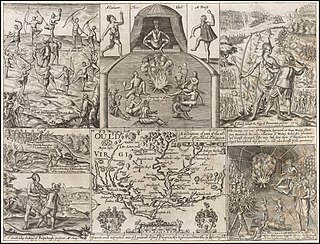
1608 (MDCVIII) was a leap year starting on Tuesday of the Gregorian calendar and a leap year starting on Friday of the Julian calendar, the 1608th year of the Common Era (CE) and Anno Domini (AD) designations, the 608th year of the 2nd millennium, the 8th year of the 17th century, and the 9th year of the 1600s decade. As of the start of 1608, the Gregorian calendar was 10 days ahead of the Julian calendar, which remained in localized use until 1923.

1617 (MDCXVII) was a common year starting on Sunday of the Gregorian calendar and a common year starting on Wednesday of the Julian calendar, the 1617th year of the Common Era (CE) and Anno Domini (AD) designations, the 617th year of the 2nd millennium, the 17th year of the 17th century, and the 8th year of the 1610s decade. As of the start of 1617, the Gregorian calendar was 10 days ahead of the Julian calendar, which remained in localized use until 1923.
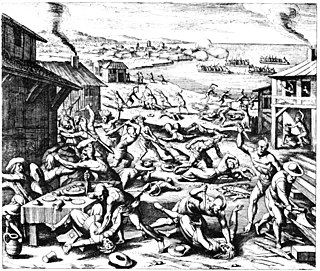
The 1620s decade ran from January 1, 1620, to December 31, 1629.
The 1630s was a decade that began on January 1, 1630, and ended on December 31, 1639.
1622 (MDCXXII) was a common year starting on Saturday of the Gregorian calendar and a common year starting on Tuesday of the Julian calendar, the 1622nd year of the Common Era (CE) and Anno Domini (AD) designations, the 622nd year of the 2nd millennium, the 22nd year of the 17th century, and the 3rd year of the 1620s decade. As of the start of 1622, the Gregorian calendar was 10 days ahead of the Julian calendar, which remained in localized use until 1923.

1632 (MDCXXXII) was a leap year starting on Thursday of the Gregorian calendar and a leap year starting on Sunday of the Julian calendar, the 1632nd year of the Common Era (CE) and Anno Domini (AD) designations, the 632nd year of the 2nd millennium, the 32nd year of the 17th century, and the 3rd year of the 1630s decade. As of the start of 1632, the Gregorian calendar was 10 days ahead of the Julian calendar, which remained in localized use until 1923.
The 1600s ran from January 1, 1600, to December 31, 1609.

1600 (MDC) was a century leap year starting on Saturday of the Gregorian calendar and a leap year starting on Tuesday of the Julian calendar, the 1600th year of the Common Era (CE) and Anno Domini (AD) designations, the 600th year of the 2nd millennium, the 100th and last year of the 16th century, and the 1st year of the 1600s decade. As of the start of 1600, the Gregorian calendar was 10 days ahead of the Julian calendar, which remained in localized use until 1923.

1602 (MDCII) was a common year starting on Tuesday of the Gregorian calendar and a common year starting on Friday of the Julian calendar, the 1602nd year of the Common Era (CE) and Anno Domini (AD) designations, the 602nd year of the 2nd millennium, the 2nd year of the 17th century, and the 3rd year of the 1600s decade. As of the start of 1602, the Gregorian calendar was 10 days ahead of the Julian calendar, which remained in localized use until 1923.

1604 (MDCIV) was a leap year starting on Thursday of the Gregorian calendar and a leap year starting on Sunday of the Julian calendar, the 1604th year of the Common Era (CE) and Anno Domini (AD) designations, the 604th year of the 2nd millennium, the 4th year of the 17th century, and the 5th year of the 1600s decade. As of the start of 1604, the Gregorian calendar was 10 days ahead of the Julian calendar, which remained in localized use until 1923.
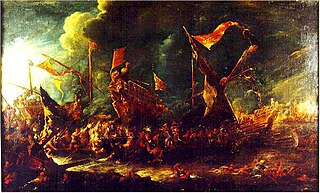
1613 (MDCXIII) was a common year starting on Tuesday of the Gregorian calendar and a common year starting on Friday of the Julian calendar, the 1613th year of the Common Era (CE) and Anno Domini (AD) designations, the 613th year of the 2nd millennium, the 13th year of the 17th century, and the 4th year of the 1610s decade. As of the start of 1613, the Gregorian calendar was 10 days ahead of the Julian calendar, which remained in localized use until 1923.

1614 (MDCXIV) was a common year starting on Wednesday of the Gregorian calendar and a common year starting on Saturday of the Julian calendar, the 1614th year of the Common Era (CE) and Anno Domini (AD) designations, the 614th year of the 2nd millennium, the 14th year of the 17th century, and the 5th year of the 1610s decade. As of the start of 1614, the Gregorian calendar was 10 days ahead of the Julian calendar, which remained in localized use until 1923.

1619 (MDCXIX) was a common year starting on Tuesday of the Gregorian calendar and a common year starting on Friday of the Julian calendar, the 1619th year of the Common Era (CE) and Anno Domini (AD) designations, the 619th year of the 2nd millennium, the 19th year of the 17th century, and the 10th and last year of the 1610s decade. As of the start of 1619, the Gregorian calendar was 10 days ahead of the Julian calendar, which remained in localized use until 1923.

1627 (MDCXXVII) was a common year starting on Friday of the Gregorian calendar and a common year starting on Monday of the Julian calendar, the 1627th year of the Common Era (CE) and Anno Domini (AD) designations, the 627th year of the 2nd millennium, the 27th year of the 17th century, and the 8th year of the 1620s decade. As of the start of 1627, the Gregorian calendar was 10 days ahead of the Julian calendar, which remained in localized use until 1923.

1628 (MDCXXVIII) was a leap year starting on Saturday of the Gregorian calendar and a leap year starting on Tuesday of the Julian calendar, the 1628th year of the Common Era (CE) and Anno Domini (AD) designations, the 628th year of the 2nd millennium, the 28th year of the 17th century, and the 9th year of the 1620s decade. As of the start of 1628, the Gregorian calendar was 10 days ahead of the Julian calendar, which remained in localized use until 1923.

1641 (MDCXLI) was a common year starting on Tuesday of the Gregorian calendar and a common year starting on Friday of the Julian calendar, the 1641st year of the Common Era (CE) and Anno Domini (AD) designations, the 641st year of the 2nd millennium, the 41st year of the 17th century, and the 2nd year of the 1640s decade. As of the start of 1641, the Gregorian calendar was 10 days ahead of the Julian calendar, which remained in localized use until 1923.

The 1610s decade ran from January 1, 1610, to December 31, 1619.

Hasekura Rokuemon Tsunenaga was a kirishitan Japanese samurai and retainer of Date Masamune, the daimyō of Sendai. He was of Japanese imperial descent with ancestral ties to Emperor Kanmu. Other names include Philip Francis Faxicura, Felipe Francisco Faxicura, and Philippus Franciscus Faxecura Rocuyemon in period European sources.