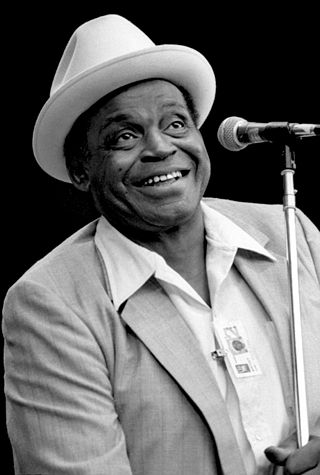
William James Dixon was an American blues musician, vocalist, songwriter, arranger and record producer. He was proficient in playing both the upright bass and the guitar, and sang with a distinctive voice, but he is perhaps best known as one of the most prolific songwriters of his time. Next to Muddy Waters, Dixon is recognized as the most influential person in shaping the post–World War II sound of the Chicago blues.
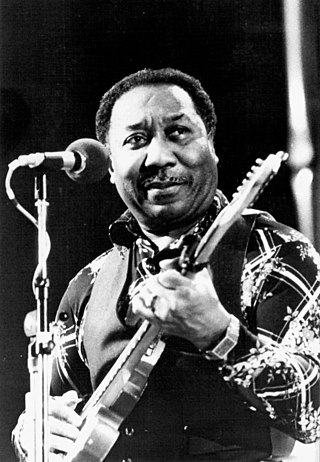
McKinley Morganfield, known professionally as Muddy Waters, was an American blues singer and musician who was an important figure in the post-World War II blues scene, and is often cited as the "father of modern Chicago blues". His style of playing has been described as "raining down Delta beatitude".

"You Shook Me" is a 1962 blues song recorded by Chicago blues artist Muddy Waters. Willie Dixon wrote the lyrics and Earl Hooker provided the instrumental backing; the song features Waters' vocal in unison with Hooker's slide-guitar melody. "You Shook Me" became one of Muddy Waters' most successful early-1960s singles and has been interpreted by several blues and rock artists.

At Newport 1960 is a live album by Muddy Waters recorded during his performance at the Newport Jazz Festival on July 3, 1960. With his longtime backup band, Muddy Waters plays a mix of his older popular tunes and some newer compositions. Chess Records released the album in the United States on November 15, 1960.
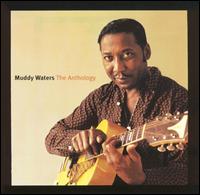
The Anthology: 1947–1972 is a double compilation album by Chicago blues singer and guitarist Muddy Waters. It contains many of his best-known songs, including his R&B single chart hits "I'm Your Hoochie Coochie Man", "Just Make Love to Me ", and "I'm Ready". Chess and MCA Records released the set on August 28, 2001.

Now & Live is a double CD compilation-like album released in 1997 by Paul Rodgers of Free and Bad Company fame. In fact, it is a re-release of the studio album Now including a disc of live material recorded in 1995 and issued on the album Live: The Loreley Tapes. The album's full 24-track version, but as one CD also is known.
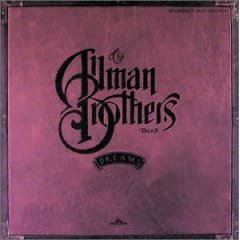
Dreams is a compilation album by the Allman Brothers Band. Packaged as a box set of four CDs or six LPs, it was released on June 20, 1989.
"I Just Want to Make Love to You" is a blues song written by Willie Dixon. In 1954, it was recorded by Muddy Waters, and released as a single with the title "Just Make Love to Me". The song reached number four on Billboard magazine's R&B Best Sellers chart.
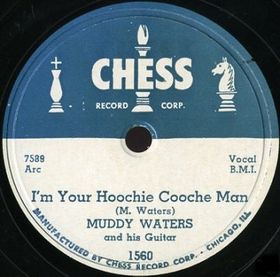
"Hoochie Coochie Man" is a blues standard written by Willie Dixon and first recorded by Muddy Waters in 1954. The song makes reference to hoodoo folk magic elements and makes novel use of a stop-time musical arrangement. It became one of Waters' most popular and identifiable songs and helped secure Dixon's role as Chess Records' chief songwriter.

"Got My Mojo Working" is a blues song written by Preston "Red" Foster and first recorded by R&B singer Ann Cole in 1956. Foster's lyrics describe several amulets or talismans, called mojo, which are associated with hoodoo, an early African-American folk-magic belief system.

I Am the Blues is the sixth studio Chicago blues album released in 1970 by the well-known bluesman Willie Dixon. It is also the title of Dixon's autobiography, edited by Don Snowden.
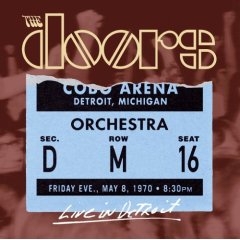
Live in Detroit is a double CD live album by the American rock band the Doors. It was recorded at the Cobo Arena in Detroit on May 8, 1970 during the band's 1970 Roadhouse Blues Tour. It was released on October 23, 2000 on Rhino Records.

Muddy "Mississippi" Waters – Live is a live album by Muddy Waters, released in January 1979. It was recorded during the 1977–78 tour to support Muddy Waters' album Hard Again (1977) and features the same musicians, including James Cotton and Johnny Winter, who had produced the album.
"I'm Ready" is a blues song written by Willie Dixon and first recorded by Muddy Waters in 1954. It was a hit, spending nine weeks on the Billboard R&B chart where it reached number four. The song became a blues standard and has been compared to "Hoochie Coochie Man", the standard also written by Dixon that Waters recorded earlier in 1954.

The Best of Muddy Waters is a greatest hits album by Muddy Waters released by Chess Records in April 1958. The twelve songs were originally issued as singles between 1948 and 1954 and most appeared in Billboard magazine's top 10 Rhythm & Blues Records charts.
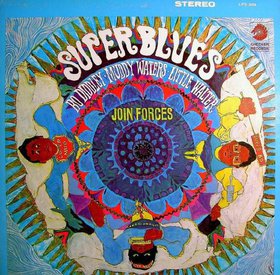
Super Blues is a 1967 studio album by a blues supergroup consisting of Bo Diddley, Muddy Waters, and Little Walter. The album was released in both mono and stereo formats by Checker Records in June 1967. A follow-up album The Super Super Blues Band was released later that year and featured Howlin' Wolf replacing Little Walter.

Fathers and Sons is the seventh studio album by the American blues musician Muddy Waters, released as a double LP by Chess Records in August 1969.

The Essential Johnny Winter is a two-CD album by guitarist and singer Johnny Winter. It is a compilation of songs from previously released albums, many of them from the late 1960s and the 1970s. It was released by Columbia Records on April 30, 2013.
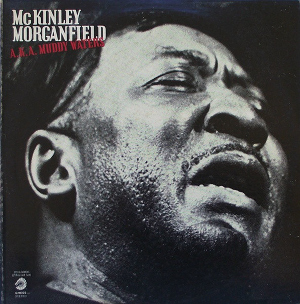
McKinley Morganfield A.K.A. Muddy Waters is a compilation album by blues musician Muddy Waters featuring tracks recorded between 1948 and 1953 released by the Chess label in 1971.

"You Need Love" is a song with lyrics written by American blues musician Willie Dixon. The instrumentation was recorded first by slide guitarist Earl Hooker and backing musicians, then Chicago blues artist Muddy Waters overdubbed vocals, and Chess Records released it as a single in 1962.


