Broke baronets, of Nacton (1661)

- Sir Robert Broke, 1st Baronet (c. 1630–1694)
There have been two baronetcies created for persons with the surname Broke, one in the Baronetage of England and one in the Baronetage of the United Kingdom. Both creations are extinct.
The Broke Baronetcy, of Nacton in the County of Suffolk, was created in the Baronetage of England on 21 May 1661 for Robert Broke, subsequently Member of Parliament for Suffolk. He was a descendant of Sir Richard Broke, Chief Baron of the Exchequer during the reign of Henry VIII. The title became extinct on Sir Robert's death in 1694. The Broke estates passed to his nephew Robert Broke, who was the grandfather of Philip Broke, who was created a baronet in 1813 (see below).
The Broke, later Broke-Middleton Baronetcy, of Broke Hall in the County of Suffolk, was created in the Baronetage of the United Kingdom on 2 November 1813. For more information on this creation, see Broke-Middleton baronets.

There have been three baronetcies created for persons with the surname Booth, one in the Baronetage of England and two in the Baronetage of the United Kingdom. The 1916 creation remains extant, the 1835 creation became extinct in 1896 and the 1611 baronetcy has been dormant since 1797. The senior line of the first creation was elevated to the peerage as Baron Delamer and Earl of Warrington.

There have been five baronetcies created for persons with the surname Barker, three in the Baronetage of England, one in the Baronetage of Great Britain and one in the Baronetage of the United Kingdom. All five creations are extinct.
There have been three baronetcies created for members of the Anstruther family, two in the Baronetage of Nova Scotia and one in the Baronetage of Great Britain. Two of the creations are extant while one is extinct.

There have been nine baronetcies created for persons with the surname Anderson, four in the Baronetage of England, one in the Baronetage of Great Britain and four in the Baronetage of the United Kingdom. All creations are extinct.
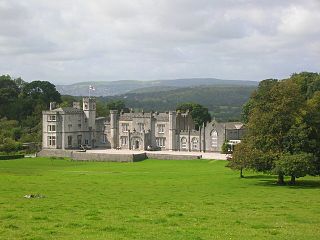
There have been six baronetcies created for persons with the surname Middleton, four in the Baronetage of England, one in the Baronetage of Great Britain and one in the Baronetage of the United Kingdom. One creation is extant as of 2008.

There have been seven baronetcies created for persons with the surname Parker, three in the Baronetage of England, two in the Baronetage of Great Britain and two in the Baronetage of the United Kingdom. Two of the creations are extant as of 2008. Though none of the different families of baronets were related, several supplied a number of flag officers to the Royal Navy.

There have been nine baronetcies held by people with the surname Nugent, four in the Baronetage of Ireland and five in the Baronetage of the United Kingdom. Six of the creations are extinct, while three are extant.
There have been five baronetcies created for people with the surname Walker, one is extinct, four are extant.
There have been twenty baronetcies created for persons with the surname Williams, eight in the Baronetage of England, three in the Baronetage of Great Britain and nine in the Baronetage of the United Kingdom. Only five of the creations are extant as of 2017..
There have been nine baronetcies created for persons with the surname Roberts, three in the Baronetage of England and six in the Baronetage of the United Kingdom. As of 2014 four of the creations are extant.

There have been six baronetcies created with the surname of Leigh: two in the Baronetage of England, one in the Baronetage of Ireland, one in the Baronetage of Great Britain and two in the Baronetage of the United Kingdom. The only creation remaining extant is that of Altrincham, while another is dormant.
There have been six baronetcies created for persons with the surname Thomas, three in the Baronetage of England, one in the Baronetage of Great Britain and two in the Baronetage of the United Kingdom. Two of the creations are extant as of 2016.
There have been four baronetcies created for persons with the surname Temple, two in the Baronetage of England, one in the Baronetage of Nova Scotia and one in the Baronetage of the United Kingdom.
There have been three baronetcies created for members of the Rowley family, one in the Baronetage of Great Britain and two in the Baronetage of the United Kingdom. Two of the creations are extant as of 2007.
There have been seven baronetcies created for persons with the surname Wood, one in the Baronetage of England, one in the Baronetage of Nova Scotia, one in the Baronetage of Great Britain and four in the Baronetage of the United Kingdom.
There have been four baronetcies created for persons with the surname Rich, two in the Baronetage of England, one in the Baronetage of Great Britain and one in the Baronetage of the United Kingdom. As of 2008 three of the creations are extinct while one is dormant.
There have been four baronetcies created for persons with the surname Willoughby, three in the Baronetage of England and one in the Baronetage of Great Britain. One creation is extant as of 2008.

There has been six baronetcies created for persons with the surname Shaw, one in the Baronetage of England, one in the Baronetage of Nova Scotia and four in the Baronetage of the United Kingdom. Two of the creations extant as of 2010.

The Broke, later Broke–Middleton Baronetcy, of Broke Hall in the County of Suffolk, was a title in the Baronetage of the United Kingdom. It was created on 2 November 1813 for Philip Broke, a Rear-Admiral of the Royal Navy. He was the grandson of Robert Broke, nephew of Sir Robert Broke, 1st Baronet, of Nacton, who were both descended from Sir Richard Broke, Chief Baron of the Exchequer during the reign of Henry VIII. The second Baronet was Sheriff of Suffolk in 1844 and his younger brother the third Baronet was Sheriff of Suffolk in 1864. The third Baronet assumed the additional surname of Middleton in 1860 after inheriting the estate of his cousin Sir William Fowle Fowle-Middleton. The title became extinct on his death in 1887.
There have been two baronetcies created for persons with the surname Thornhill, one in the Baronetage of England and one in the Baronetage of the United Kingdom. Both creations are extinct.