
Arraignment is a formal reading of a criminal charging document in the presence of the defendant, to inform them of the charges against them. In response to arraignment, the accused is expected to enter a plea. Acceptable pleas vary among jurisdictions, but they generally include "guilty", "not guilty", and the peremptory pleas, or pleas in bar, setting out reasons why a trial cannot proceed. Pleas of nolo contendere and the Alford plea are allowed in some circumstances.
In United States law, an Alford plea, also called a Kennedy plea in West Virginia, an Alford guilty plea, and the Alford doctrine, is a guilty plea in criminal court, whereby a defendant in a criminal case does not admit to the criminal act and asserts innocence, but admits that the evidence presented by the prosecution would be likely to persuade a judge or jury to find the defendant guilty beyond a reasonable doubt. This can be caused by circumstantial evidence and testimony favoring the prosecution and difficulty finding evidence and witnesses that would aid the defense.
Nolo contendere is a legal term that comes from the Latin phrase for "I do not wish to contend". It is also referred to as a plea of no contest or no defense.
A plea bargain is an agreement in criminal law proceedings, whereby the prosecutor provides a concession to the defendant in exchange for a plea of guilt or nolo contendere. This may mean that the defendant will plead guilty to a less serious charge, or to one of the several charges, in return for the dismissal of other charges; or it may mean that the defendant will plead guilty to the original criminal charge in return for a more lenient sentence.
In legal terms, a plea is simply an answer to a claim made by someone in a criminal case under common law using the adversarial system. Colloquially, a plea has come to mean the assertion by a defendant at arraignment, or otherwise in response to a criminal charge, whether that person pleaded or pled guilty, not guilty, nolo contendere, no case to answer, or Alford plea.
Death by crushing or pressing is a method of execution that has a history during which the techniques used varied greatly from place to place, generally involving placing heavy weights upon a person with the intent to kill.
A testament is a document that the author has sworn to be true. In law it usually means last will and testament.
Fighter(s) or The Fighter(s) may refer to:
Venom is a class of animal toxins.

Ashley Michelle Tisdale is an American actress and singer. During her childhood, she was featured in over 100 advertisements and had minor roles in television and theatre. She achieved mainstream success as Maddie Fitzpatrick in the Disney Channel teen sitcom The Suite Life of Zack & Cody (2005–2008). This success was heightened when she starred as Sharpay Evans in the High School Musical film series (2006–2008). The success of the films led to Tisdale's signing with Warner Bros. Records and subsequently releasing her debut studio album, Headstrong (2007), which was a commercial success, earning a gold certification from the Recording Industry Association of America (RIAA). Tisdale played the voice role of Candace Flynn in the Disney Channel animated series Phineas & Ferb (2007–2015).
Guilty or The Guilty may refer to:
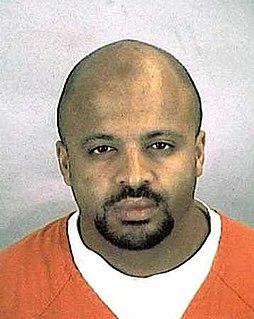
Zacarias Moussaoui is a French member of al-Qaeda who pleaded guilty in U.S. federal court to conspiring to kill citizens of the United States as part of the September 11 attacks. He is serving life in prison without parole at the Federal ADX Supermax prison in Florence, Colorado. Moussaoui is the only person ever convicted in U.S. court in connection with the September 11 attacks.
Hideaway or Hide Away may refer to:
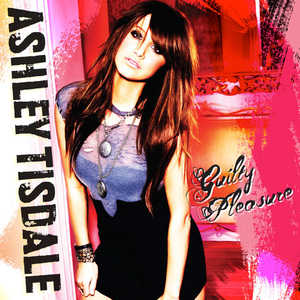
Guilty Pleasure is the second studio album by American recording artist Ashley Tisdale. It was released on June 11, 2009, by Warner Bros. Records. The lead single from the album, "It's Alright, It's OK", premiered on On Air with Ryan Seacrest and was officially released on April 14, 2009. The album debuted at number 12 on the Billboard 200, selling 25,000 copies in its first week. The second single from Guilty Pleasure, "Crank It Up" was released on October 16, 2009, in Europe. The song Switch was featured in the 2009 film Aliens In The Attic.
A guilty pleasure is something one enjoys despite feeling guilt for it.

"Here's to You" is a song by Ennio Morricone and Joan Baez, released in 1971 as part of the soundtrack of the film Sacco & Vanzetti, directed by Giuliano Montaldo. The song was written by Baez and Morricone themselves. The lyrics are only four lines of text, sung over and over. In the United States and internationally, the song became a veritable symbol for the human rights movement of the 1970s.

"Guilty Conscience" is a song by American rapper Eminem, featuring American hip hop producer Dr. Dre. It was released as the third and final single from Eminem's The Slim Shady LP (1999). It was also released on his 2005 greatest hits album Curtain Call: The Hits.
Guilty Conscience may refer to
This page is based on this
Wikipedia article Text is available under the
CC BY-SA 4.0 license; additional terms may apply.
Images, videos and audio are available under their respective licenses.

