
Pest or The Pest may refer to:
Pest or The Pest may refer to:

BSE may refer to:

A pandemic is an epidemic of an infectious disease that has a sudden increase in cases and spreads across a large region, for instance multiple continents or worldwide, affecting a substantial number of individuals. Widespread endemic diseases with a stable number of infected individuals such as recurrences of seasonal influenza are generally excluded as they occur simultaneously in large regions of the globe rather than being spread worldwide.

A quarantine is a restriction on the movement of people, animals, and goods which is intended to prevent the spread of disease or pests. It is often used in connection to disease and illness, preventing the movement of those who may have been exposed to a communicable disease, yet do not have a confirmed medical diagnosis. It is distinct from medical isolation, in which those confirmed to be infected with a communicable disease are isolated from the healthy population. Quarantine considerations are often one aspect of border control.

The black rat, also known as the roof rat, ship rat, or house rat, is a common long-tailed rodent of the stereotypical rat genus Rattus, in the subfamily Murinae. It likely originated in the Indian subcontinent, but is now found worldwide.
Plague or The Plague may refer to:
Resistance may refer to:
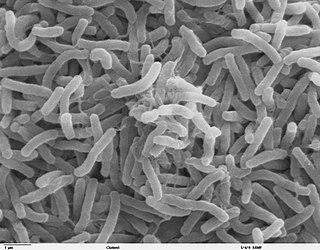
The germ theory of disease is the currently accepted scientific theory for many diseases. It states that microorganisms known as pathogens or "germs" can cause disease. These small organisms, too small to be seen without magnification, invade humans, other animals, and other living hosts. Their growth and reproduction within their hosts can cause disease. "Germ" refers to not just a bacterium but to any type of microorganism, such as protists or fungi, or other pathogens that can cause disease, such as viruses, prions, or viroids. Diseases caused by pathogens are called infectious diseases. Even when a pathogen is the principal cause of a disease, environmental and hereditary factors often influence the severity of the disease, and whether a potential host individual becomes infected when exposed to the pathogen. Pathogens are disease-carrying agents that can pass from one individual to another, both in humans and animals. Infectious diseases are caused by biological agents such as pathogenic microorganisms as well as parasites.
Pestilence may refer to:
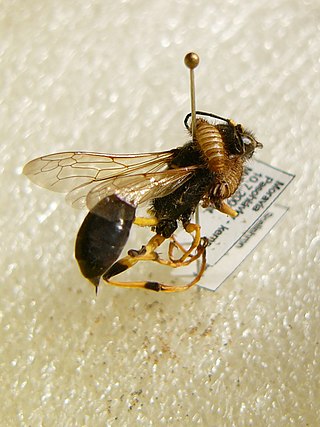
A pest is any organism harmful to humans or human concerns. The term is particularly used for creatures that damage crops, livestock, and forestry or cause a nuisance to people, especially in their homes. Humans have modified the environment for their own purposes and are intolerant of other creatures occupying the same space when their activities impact adversely on human objectives. Thus, an elephant is unobjectionable in its natural habitat but a pest when it tramples crops.
A corpse is a dead body, usually of a human.
A hurricane is a type of tropical cyclone.
Pox may refer to:
CHL may refer to:
Globalization, the flow of information, goods, capital, and people across political and geographic boundaries, allows infectious diseases to rapidly spread around the world, while also allowing the alleviation of factors such as hunger and poverty, which are key determinants of global health. The spread of diseases across wide geographic scales has increased through history. Early diseases that spread from Asia to Europe were bubonic plague, influenza of various types, and similar infectious diseases.
Inner cities are residential areas in the central area of a major city.

In epidemiology, a disease vector is any living agent that carries and transmits an infectious pathogen such as a parasite or microbe, to another living organism. Agents regarded as vectors are mostly blood-sucking insects such as mosquitoes. The first major discovery of a disease vector came from Ronald Ross in 1897, who discovered the malaria pathogen when he dissected the stomach tissue of a mosquito.

Bubonic plague is one of three types of plague caused by the bacterium Yersinia pestis. One to seven days after exposure to the bacteria, flu-like symptoms develop. These symptoms include fever, headaches, and vomiting, as well as swollen and painful lymph nodes occurring in the area closest to where the bacteria entered the skin. Acral necrosis, the dark discoloration of skin, is another symptom. Occasionally, swollen lymph nodes, known as "buboes", may break open.

The clothing worn by plague doctors was intended to protect them from airborne diseases during outbreaks of bubonic plague in Europe. It is often seen as a symbol of death and disease. However, the costume was mostly worn by late Renaissance and early modern physicians studying and treating plague patients.

The City Park Ice Rink is a public ice rink located in the City Park of the Hungarian capital Budapest, between the Heroes' Square and the Vajdahunyad Castle. Opened in 1870, it is the largest and one of the oldest ice rinks in Europe. In summer months the area is filled up with water to create a pond, which is primarily used for boating, but also hosted several special events, such as the snowball fight world record attempt in 2009 or the Art on Lake exhibition in 2011.