TANGO1/MIA3

Last updated
MIA3
Identifiers
Aliases MIA3 , ARNT, D320, TANGO, TANGO1, UNQ6077, melanoma inhibitory activity family member 3, MIA family member 3, ER export factor, MIA SH3 domain ER export factor 3, ODCD2
External IDs OMIM: 613455; MGI: 2443183; HomoloGene: 85165; GeneCards: MIA3; OMA:MIA3 - orthologs
Orthologs
SpeciesHumanMouse
Entrez
Ensembl
UniProt
RefSeq (mRNA)

NM_177389

RefSeq (protein)

NP_796363

Location (UCSC) Chr 1: 222.62 – 222.67 Mb n/a
PubMed search [2] [3]
Wikidata
View/Edit Human View/Edit Mouse

Melanoma inhibitory activity protein 3 (MIA3), also known as transport and Golgi organization protein 1 (TANGO1), is a protein that in humans is encoded by the MIA3 gene on chromosome 1. [4] [5] It is ubiquitously expressed in many tissues and cell types. [6] MIA3 localizes to the endoplasmic reticulum (ER) exit site, where it binds bulky cargo molecules such as collagens and creates mega transport carriers for the export of cargoes from the ER. [7] This function suggests that it plays a role in assembly of extracellular matrix (ECM) and bone formation. [8] MIA3 has been demonstrated to contribute to both tumor suppression [9] [10] and progression. [11] The MIA3 gene also contains one of 27 loci associated with increased risk of coronary artery disease. [12] . A TANGO1 like protein called TALI is expressed in liver and intestine and shown to be required for the export of bulky very Low density lipoproteins (VLDL) and chylomicrons. TANGO1 and TALI assemble into rings around COPII coats and this function is necessary for export of bulky cargoes. The discovery of TANGO1 and understanding its function has revealed that cargo export from the ER is not be vesicles but involves transient tunnels between the ER exit site and the next compartment of the secretory pathway. Biallelic Mutations in TANGO1 cause syndrome disease and complete loss of TANGO1 leads of defects in bone mineralization. These findings highlight the significance of TANGO1 in building and ER exit site, controlling the quantities and quality of cargo exported, which is necessary for life.Membrane permeant peptides of TANGO1 affect hyper collagen secretion in normal and cells of patients with scleroderma, and in a zebra fish model of wound healing. These findings raise the possibility of targeting TANGO1 to control skin scarring, wound healing and fibrosis.

Contents

Structure

Gene

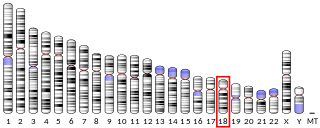
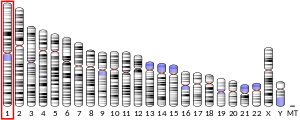
The MIA3 gene resides on chromosome 1 at the band 1q41 and includes 32 exons. [4] This gene produces 4 isoforms through alternative splicing. [5]

Protein

MIA3 is a member of the MIA/OTOR family. [5] The full-length protein spans 1,907 amino acids and localizes to the ER exit sites. It contains an N-terminal, SH3-like domain, two predicted transmembrane domains, a coiled-coiled domain, and a C-terminal, proline-rich domain. The SH3-like domain faces the ER lumen, where it can bind cargo for COPII carrier biogenesis, while the proline-rich domain faces the cytoplasm, where it can bind the COPII components Sec23/24. Of the two predicted transmembrane domains, only one actually crosses the membrane, whereas the second likely forms a hairpin structure that is only embedded in but not crossing the membrane. [5] [7]

Function

Unlike other members in the MIA gene family, MIA3 is broadly expressed, except in the cells belonging to the hematopoietic system. High levels of MIA3 expression are observed both in embryonic and adult tissues. [13] MIA3 resides at the ER exit site and functions as a guide for loading the cargo molecule collagen VII into COPII carriers, which mediates the exit of secretory protein out of the ER with the help of cutaneous T-cell lymphoma–associated antigen 5 (cTAGE-5). [7] [14] A recent study indicates that MIA3 is also involved in the secretion of other collagens, including collagens I, II, III, IV, and IX, from chondrocytes, fibroblasts, endothelial cells, and mural cells, indicating its participation in chondrocyte maturation and bone mineralization. [8] MIA3 has been suggested as a tumor suppressor in malignant melanoma, colorectal cancer, and hepatoma, and induction of expression of MIA3 results in a significant decrease in motility and invasive potential. [9] [10] On the other hand, it has also been found that MIA3 promotes angiogenesis and lymphangiogenesis by upregulating platelet-derived growth factor beta (PDGF-b) polypeptide and neuropolin 2 in oral squamous cell carcinoma. [11]

Clinical significance

In humans, MIA3 was first discovered as an important constituent in the growth and adhesion in malignant melanoma cells. As it is secreted from both chondrocytes and melanoma cells, it also plays a role in the metastasis of melanomas as well as cartilage development. [15] [16] [17] [18] It has been established that melanoma inhibitory gene family members serve several tumor-related functions that are subjected to a variety of human malignancies.

Clinical Marker

It was found that melanoma inhibitory activity gene family members are frequently expressed in human tumors such as squamous cell carcinoma, [11] [15] esophageal squamous cell carcinoma, [19] lung cancer with nodal or distant metastasis and cervical cancer. [15] In addition, melanoma inhibitory activity gene family expression is also associated with poor prognosis among cancer patients overall. [11] [20] [21] [22] [23] Nevertheless, further research is needed to determine the association between melanoma inhibitory family member expression and its diagnostic, prognostic and therapeutic relevance in clinical oncology. [15] [21]

Additionally, a multi-locus genetic risk score study, based on a combination of 27 loci including the MIA3 gene, identified individuals at increased risk for both incidence and recurrent coronary artery disease events, as well as an enhanced clinical benefit from statin therapy. The study was based on a community cohort study (the Malmo Diet and Cancer study) and four additional randomized controlled trials of primary prevention cohorts (JUPITER and ASCOT) and secondary prevention cohorts (CARE and PROVE IT-TIMI 22). [12]

Related Research Articles

p16 Mammalian protein found in humans

p16, is a protein that slows cell division by slowing the progression of the cell cycle from the G1 phase to the S phase, thereby acting as a tumor suppressor. It is encoded by the CDKN2A gene. A deletion in this gene can result in insufficient or non-functional p16, accelerating the cell cycle and resulting in many types of cancer.

<span class="mw-page-title-main">Neprilysin</span> Mammalian protein found in Homo sapiens

Neprilysin is an enzyme that in humans is encoded by the MME gene. Neprilysin is a zinc-dependent metalloprotease that cleaves peptides at the amino side of hydrophobic residues and inactivates several peptide hormones including glucagon, enkephalins, substance P, neurotensin, oxytocin, and bradykinin. It also degrades the amyloid beta peptide whose abnormal folding and aggregation in neural tissue has been implicated as a cause of Alzheimer's disease. Synthesized as a membrane-bound protein, the neprilysin ectodomain is released into the extracellular domain after it has been transported from the Golgi apparatus to the cell surface.

<span class="mw-page-title-main">Maspin</span> Protein-coding gene in the species Homo sapiens

Maspin is a protein that in humans is encoded by the SERPINB5 gene. This protein belongs to the serpin superfamily. SERPINB5 was originally reported to function as a tumor suppressor gene in epithelial cells, suppressing the ability of cancer cells to invade and metastasize to other tissues. Furthermore, and consistent with an important biological function, Maspin knockout mice were reported to be non-viable, dying in early embryogenesis. However, a subsequent study using viral transduction as a method of gene transfer was not able to reproduce the original findings and found no role for maspin in tumour biology. Furthermore, the latter study demonstrated that maspin knockout mice are viable and display no obvious phenotype. These data are consistent with the observation that maspin is not expressed in early embryogenesis. The precise molecular function of maspin is thus currently unknown.

<span class="mw-page-title-main">DAPK1</span> Protein-coding gene in the species Homo sapiens

Death-associated protein kinase 1 is an enzyme that in humans is encoded by the DAPK1 gene.

<span class="mw-page-title-main">GPR56</span> Protein-coding gene in the species Homo sapiens

G protein-coupled receptor 56 also known as TM7XN1 is a protein encoded by the ADGRG1 gene. GPR56 is a member of the adhesion GPCR family. Adhesion GPCRs are characterized by an extended extracellular region often possessing N-terminal protein modules that is linked to a TM7 region via a domain known as the GPCR-Autoproteolysis INducing (GAIN) domain.

<span class="mw-page-title-main">Epithelial cell adhesion molecule</span> Transmembrane glycoprotein

Epithelial cell adhesion molecule (EpCAM), also known as CD326 among other names, is a transmembrane glycoprotein mediating Ca2+-independent homotypic cell–cell adhesion in epithelia. EpCAM is also involved in cell signaling, migration, proliferation, and differentiation. Additionally, EpCAM has oncogenic potential via its capacity to upregulate c-myc, e-fabp, and cyclins A & E. Since EpCAM is expressed exclusively in epithelia and epithelial-derived neoplasms, EpCAM can be used as diagnostic marker for various cancers. It appears to play a role in tumorigenesis and metastasis of carcinomas, so it can also act as a potential prognostic marker and as a potential target for immunotherapeutic strategies.
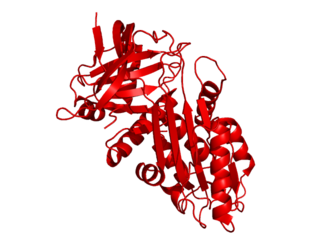
<span class="mw-page-title-main">SERPINB3</span> Protein-coding gene in the species Homo sapiens

Serpin B3 is a protein that in humans is encoded by the SERPINB3 gene.
<span class="mw-page-title-main">SERPINB4</span> Protein-coding gene in the species Homo sapiens

Serpin B4 is a protein that in humans is encoded by the SERPINB4 gene.

<span class="mw-page-title-main">DKK3</span> Protein-coding gene in the species Homo sapiens

Dickkopf-related protein 3 is a protein in the Dickkopf family that in humans is encoded by the DKK3 gene.

<span class="mw-page-title-main">MAGEA4</span> Protein-coding gene in humans

Melanoma-associated antigen 4 is a protein that in humans is encoded by the MAGEA4 gene.

<span class="mw-page-title-main">Melanoma inhibitory activity</span> Protein-coding gene in the species Homo sapiens

Melanoma-derived growth regulatory protein is a protein that in humans is encoded by the MIA gene.

<span class="mw-page-title-main">CDKN2A</span> Protein-coding gene in the species Homo sapiens

CDKN2A, also known as cyclin-dependent kinase inhibitor 2A, is a gene which in humans is located at chromosome 9, band p21.3. It is ubiquitously expressed in many tissues and cell types. The gene codes for two proteins, including the INK4 family member p16 and p14arf. Both act as tumor suppressors by regulating the cell cycle. p16 inhibits cyclin dependent kinases 4 and 6 and thereby activates the retinoblastoma (Rb) family of proteins, which block traversal from G1 to S-phase. p14ARF activates the p53 tumor suppressor. Somatic mutations of CDKN2A are common in the majority of human cancers, with estimates that CDKN2A is the second most commonly inactivated gene in cancer after p53. Germline mutations of CDKN2A are associated with familial melanoma, glioblastoma and pancreatic cancer. The CDKN2A gene also contains one of 27 SNPs associated with increased risk of coronary artery disease.

A metastasis suppressor is a protein that acts to slow or prevent metastases from spreading in the body of an organism with cancer. Metastasis is one of the most lethal cancer processes. This process is responsible for about ninety percent of human cancer deaths. Proteins that act to slow or prevent metastases are different from those that act to suppress tumor growth. Genes for about a dozen such proteins are known in humans and other animals.
<span class="mw-page-title-main">PINX1</span> Protein-coding gene in the species Homo sapiens

PIN2/TERF1-interacting telomerase inhibitor 1, also known as PINX1, is a human gene. PINX1 is also known as PIN2 interacting protein 1. PINX1 is a telomerase inhibitor and a possible tumor suppressor.

<span class="mw-page-title-main">Desmoplasia</span> Growth of fibrous or connective tissue

In medicine, desmoplasia is the growth of fibrous connective tissue. It is also called a desmoplastic reaction to emphasize that it is secondary to an insult. Desmoplasia may occur around a neoplasm, causing dense fibrosis around the tumor, or scar tissue (adhesions) within the abdomen after abdominal surgery.

miR-137

In molecular biology, miR-137 is a short non-coding RNA molecule that functions to regulate the expression levels of other genes by various mechanisms. miR-137 is located on human chromosome 1p22 and has been implicated to act as a tumor suppressor in several cancer types including colorectal cancer, squamous cell carcinoma and melanoma via cell cycle control.

<span class="mw-page-title-main">MORT (long non-coding RNA)</span> Non-coding RNA in the species Homo sapiens

MORT is a long non-coding RNA (lncRNA) of the intergenic type (lincRNA) that is specific to humans and great apes. The MORT transcript is produced in all mortal cell types, but is lost in a large fraction of the most common human cancers and therefore might have a tumor suppressive function.

<span class="mw-page-title-main">BANCR</span> Non-coding RNA in the species Homo sapiens

BRAF-activated non-protein coding RNA is a noncoding RNA that in humans is encoded by the BANCR gene. Long non-coding RNAs (lncRNAs) are involved in the intricate network of cancer and contribute significantly to tumorigenesis and progression. BRAF activated non-coding RNA (BANCR), a 693-bp four-exon transcript, was first identified in 2012 as an oncogenic long non-coding RNA in BRAFV600E melanomas cells and was found to be associated with melanoma cell migration. Apart from melanoma, growing evidence has implicated BANCR in the development and progression of a variety of other human malignancies, including retinoblastoma, lung cancer, and gastric cancer, since its discovery. The pattern of expression of BANCR varies according to the kind of cancer, acting as either a tumour suppressor or an accelerator. Functional BANCR may be a useful biomarker for cancer diagnosis and prognosis assessment. BANCR-targeted therapy may also prove to be a promising new treatment option for human cancers.

<span class="mw-page-title-main">CMTM3</span> Protein-coding gene in the species Homo sapiens

CKLF-like MARVEL transmembrane domain-containing protein 3, also termed chemokine-like factor superfamily 3, is a member of the CKLF-like MARVEL transmembrane domain-containing family of proteins. In humans, CMTM2 protein is encoded by the CMTM3 gene located in band 22.1 on the long arm of chromosome 16. This protein is expressed in a wide range of tissues, including fetal tissues. It is highly expressed in the male reproductive system, particularly testicular tissues and may play a role in the development of this tissue. It is also highly expressed in the immune system including circulating blood cells, i.e. B lymphocytes, CD4+ T lymphocytes, and monocytes. However, CMTM3 protein is weakly expressed or unexpressed in the malignant tissues of several types of cancers. In many but not all of theses cancers, this decreased or lack of expression appears due to methylation of the GpC islands in the promoter region, and thereby the silencing, of the CMTM3 gene.

<span class="mw-page-title-main">Augurin</span>

Augurin is a protein that in humans is encoded by the C2orf40 gene.
References

  1. 1 2 3 GRCh38: Ensembl release 89: ENSG00000154305 Ensembl, May 2017
  2. "Human PubMed Reference:". National Center for Biotechnology Information, U.S. National Library of Medicine.
  3. "Mouse PubMed Reference:". National Center for Biotechnology Information, U.S. National Library of Medicine.
  4. 1 2 "MIA3 MIA family member 3, ER export factor [Homo sapiens (human)] – Gene – NCBI". www.ncbi.nlm.nih.gov. Retrieved 2016-08-19.
  5. 1 2 3 4 "MIA3 – Melanoma inhibitory activity protein 3 precursor – Homo sapiens (Human) – MIA3 gene & protein". www.uniprot.org. Retrieved 2016-08-19.
  6. "BioGPS – your Gene Portal System". biogps.org. Retrieved 2016-08-19.
  7. 1 2 3 Saito K, Chen M, Bard F, Chen S, Zhou H, Woodley D, Polischuk R, Schekman R, Malhotra V (2009-03-06). "TANGO1 facilitates cargo loading at endoplasmic reticulum exit sites". Cell. 136 (5): 891–902. doi: 10.1016/j.cell.2008.12.025 . PMID   19269366. S2CID   19027969.
  8. 1 2 Wilson DG, Phamluong K, Li L, Sun M, Cao TC, Liu PS, Modrusan Z, Sandoval WN, Rangell L, Carano RA, Peterson AS, Solloway MJ (May 2011). "Global defects in collagen secretion in a Mia3/TANGO1 knockout mouse". The Journal of Cell Biology. 193 (5): 935–51. doi:10.1083/jcb.201007162. PMC   3105544 . PMID   21606205.
  9. 1 2 Arndt S, Bosserhoff AK (December 2006). "TANGO is a tumor suppressor of malignant melanoma". International Journal of Cancer. 119 (12): 2812–20. doi: 10.1002/ijc.22242 . PMID   17044017.
  10. 1 2 Arndt S, Bosserhoff AK (October 2007). "Reduced expression of TANGO in colon and hepatocellular carcinomas". Oncology Reports. 18 (4): 885–91. doi: 10.3892/or.18.4.885 . PMID   17786351.
  11. 1 2 3 4 Sasahira T, Kirita T, Yamamoto K, Ueda N, Kurihara M, Matsushima S, Bhawal UK, Bosserhoff AK, Kuniyasu H (August 2014). "Transport and Golgi organisation protein 1 is a novel tumour progressive factor in oral squamous cell carcinoma". European Journal of Cancer. 50 (12): 2142–51. doi:10.1016/j.ejca.2014.05.006. PMID   24889917.
  12. 1 2 Mega JL, Stitziel NO, Smith JG, Chasman DI, Caulfield MJ, Devlin JJ, Nordio F, Hyde CL, Cannon CP, Sacks FM, Poulter NR, Sever PS, Ridker PM, Braunwald E, Melander O, Kathiresan S, Sabatine MS (June 2015). "Genetic risk, coronary heart disease events, and the clinical benefit of statin therapy: an analysis of primary and secondary prevention trials". Lancet. 385 (9984): 2264–71. doi:10.1016/S0140-6736(14)61730-X. PMC   4608367 . PMID   25748612.
  13. Bosserhoff AK, Moser M, Buettner R (July 2004). "Characterization and expression pattern of the novel MIA homolog TANGO". Gene Expression Patterns. 4 (4): 473–9. doi:10.1016/j.modgep.2003.12.002. PMID   15183315.
  14. Saito K, Yamashiro K, Ichikawa Y, Erlmann P, Kontani K, Malhotra V, Katada T (July 2011). "cTAGE5 mediates collagen secretion through interaction with TANGO1 at endoplasmic reticulum exit sites". Molecular Biology of the Cell. 22 (13): 2301–8. doi:10.1091/mbc.E11-02-0143. PMC   3128532 . PMID   21525241.
  15. 1 2 3 4 Lougheed JC, Holton JM, Alber T, Bazan JF, Handel TM (May 2001). "Structure of melanoma inhibitory activity protein, a member of a recently identified family of secreted proteins". Proceedings of the National Academy of Sciences of the United States of America. 98 (10): 5515–20. Bibcode:2001PNAS...98.5515L. doi: 10.1073/pnas.091601698 . PMC   33244 . PMID   11331761.
  16. Homsi J, Cubitt CL, Zhang S, Munster PN, Yu H, Sullivan DM, Jove R, Messina JL, Daud AI (June 2009). "Src activation in melanoma and Src inhibitors as therapeutic agents in melanoma". Melanoma Research. 19 (3): 167–75. doi: 10.1097/CMR.0b013e328304974c . PMID   19434004. S2CID   205556708.
  17. Chang PN, Yap WN, Lee DT, Ling MT, Wong YC, Yap YL (2009-01-01). "Evidence of gamma-tocotrienol as an apoptosis-inducing, invasion-suppressing, and chemotherapy drug-sensitizing agent in human melanoma cells". Nutrition and Cancer. 61 (3): 357–66. doi:10.1080/01635580802567166. PMID   19373609. S2CID   28914372.
  18. Sasahira T, Kirita T, Nishiguchi Y, Kurihara M, Nakashima C, Bosserhoff AK, Kuniyasu H (April 2016). "A comprehensive expression analysis of the MIA gene family in malignancies: MIA gene family members are novel, useful markers of esophageal, lung, and cervical squamous cell carcinoma". Oncotarget. 7 (21): 31137–52. doi:10.18632/oncotarget.9082. PMC   5058745 . PMID   27145272.
  19. Jia Y, Wang N, Wang J, Tian H, Ma W, Wang K, Tan B, Zhang G, Yang S, Bai B, Cheng Y (January 2014). "Down-regulation of stromal caveolin-1 expression in esophageal squamous cell carcinoma: a potent predictor of lymph node metastases, early tumor recurrence, and poor prognosis". Annals of Surgical Oncology. 21 (1): 329–36. doi:10.1245/s10434-013-3225-x. PMID   23982252. S2CID   36877820.
  20. El Fitori J, Kleeff J, Giese NA, Guweidhi A, Bosserhoff AK, Büchler MW, Friess H (February 2005). "Melanoma Inhibitory Activity (MIA) increases the invasiveness of pancreatic cancer cells". Cancer Cell International. 5 (1): 3. doi: 10.1186/1475-2867-5-3 . PMC   551595 . PMID   15710044.
  21. 1 2 Sasahira T, Kirita T, Kurihara M, Yamamoto K, Bhawal UK, Bosserhoff AK, Kuniyasu H (August 2010). "MIA-dependent angiogenesis and lymphangiogenesis are closely associated with progression, nodal metastasis and poor prognosis in tongue squamous cell carcinoma". European Journal of Cancer. 46 (12): 2285–94. doi:10.1016/j.ejca.2010.04.027. PMID   20570137.
  22. Kurihara M, Kirita T, Sasahira T, Ohmori H, Matsushima S, Yamamoto K, Bosserhoff AK, Kuniyasu H (April 2013). "Protumoral roles of melanoma inhibitory activity 2 in oral squamous cell carcinoma". British Journal of Cancer. 108 (7): 1460–9. doi:10.1038/bjc.2013.27. PMC   3629429 . PMID   23511560.
  23. Biomarkers Definitions Working Group (March 2001). "Biomarkers and surrogate endpoints: preferred definitions and conceptual framework". Clinical Pharmacology and Therapeutics. 69 (3): 89–95. doi:10.1067/mcp.2001.113989. PMID   11240971. S2CID   288484.
