The 181st Rifle Division was a division of the Red Army, active from 1940 to at least 1945.
Ivan Ivanovich Smolin was a Soviet army commander. He fought in the Imperial Russian Army in World War I and in the Soviet Red Army in the Russian Civil War. He was a recipient of the Order of the Red Banner (1922). During the Great Purge, he was arrested on 14 May 1937 and later executed. After the death of Joseph Stalin, he was rehabilitated in 1955.
Maksim Petrovich Mager was a Soviet komkor. He was born in what is now Belarus. He fought in the Soviet Red Army during the Russian Civil War. He was a recipient of the Order of Lenin and the Order of the Red Banner. During the Great Purge, he was arrested on September 10, 1938 and released on February 9, 1940. He was later re-arrested on April 28, 1941. As part of the Purge of the Red Army in 1941, he was sentenced to death by the Military Collegium of the Supreme Court of the Soviet Union and executed during the Battle of Moscow.
Ivan Gryaznov was a Soviet Komkor. He was born in what is now Sverdlovsk Oblast. He was a recipient of the Order of the Red Banner. He was executed during the Great Purge.
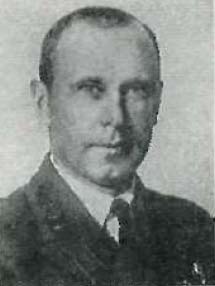
Marcian Germanovich was a Soviet division commander and Komkor. He fought in the Imperial Russian Army in World War I before going over to the Bolsheviks in the subsequent civil war. He was a recipient of the Order of the Red Banner. During the Great Purge, he was arrested on August 7, 1937 and later executed. After the death of Joseph Stalin, he was rehabilitated in 1957.
Ivan Nikulin was a Soviet Kombrig and division commander. In November 1936 he was transferred to the Special Red Banner Far Eastern Army. During the Great Purge, he was arrested on June 13, 1937 and later executed. After the death of Joseph Stalin, he was rehabilitated in 1957.
Mikhail Demichev was a Soviet Komdiv. He fought in the Imperial Russian Army in World War I before going over to the Bolsheviks in the subsequent civil war. He was a recipient of the Order of the Red Banner. During the Great Purge, he was arrested on August 9, 1937 and later executed. After the death of Joseph Stalin, he was rehabilitated in 1956.
Stepan Nikolaevich Bogomyagkov was a Soviet komkor. He fought in the Imperial Russian Army in World War I before going over to the Bolsheviks in the subsequent civil war. He was promoted to Komkor on November 11, 1935. During the Great Purge, he was arrested in February 1938. Unlike many of his colleagues, he was not executed. In 1941, he was sentenced to 10 years in a labor camp. He was released in 1948 after seven years and lived in retirement in his home region of Perm Oblast. He was not reinstated in the army but did receive a pension.
Matvei Ivanovich Vasilenko was a Soviet komkor. He fought in the Imperial Russian Army during World War I before going over to the Bolsheviks in the subsequent civil war. He also fought in the war against Poland.
He commanded the 11th Army, the 9th Army, again the 11th Army and the 14th Army .
He was a recipient of the Order of the Red Banner and the Order of the Red Star.
Yan Petrovich Gaylit was a Soviet komkor. He fought in the Imperial Russian Army in World War I before going over to the Bolsheviks in the subsequent civil war. He was a recipient of the Order of the Red Banner. During the Great Purge, he was arrested on August 15, 1937 and executed the following year. He was rehabilitated in 1956.

Ilya Ivanovich Garkavyi (1888–1937) was a Soviet komkor and organizer of Red Guards detachments in Tiraspol.
Vladimir Mikhailovich Gittis was a Soviet komkor. He fought in the Imperial Russian Army during World War I before going over to the Bolsheviks during the subsequent civil war. He was a recipient of the Order of the Red Banner (1919). He commanded the forces in Leningrad following the end of the civil war. During the Great Purge, he was arrested on 28 November 1937. His name appeared on the death list of 20 August 1938 which was signed by Joseph Stalin and Vyacheslav Molotov. He was convicted that day by the Military Collegium of the Supreme Court of the Soviet Union of espionage and sentenced to death. He was executed two days later at Kommunarka.
Boris Sergeevich Gorbachyov was a Soviet komkor. He was born in present-day Belarus. He fought in the Imperial Russian Army during World War I before going over to the Bolsheviks in the subsequent civil war. He was a recipient of the Order of the Red Banner. During the Great Purge, he was arrested on 3 May 1937 and executed two months later. After the death of Joseph Stalin, he was rehabilitated in 1956.
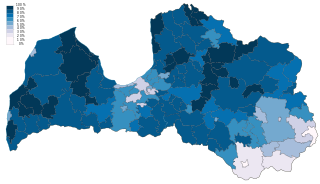
Kirill Andeeevich Stutzke was a Soviet komkor. He was born in present-day Latvia. He fought in the Latvian Riflemen unit of the Imperial Russian Army in World War I before going over to the Bolsheviks in the subsequent civil war. He was a recipient of the Order of the Red Banner. During the Great Purge, he was arrested on November 29, 1937 and later executed. After the death of Joseph Stalin, he was rehabilitated in 1956.
Sergei Efimovich Gribov was a Soviet komkor. He fought in the Imperial Russian Army during World War I before going over to the Bolsheviks during the subsequent civil war. He was a recipient of the Order of the Red Banner. He commanded forces in the North Caucasus region. During the Great Purge, he was arrested on 28 January 1938 and later executed. After the death of Joseph Stalin, he was rehabilitated in 1956.

Semyon Petrovich Uritsky was a Soviet General. He fought in the Imperial Russian Army during World War I before going over to the Bolsheviks. He was promoted to the rank of Komkor on November 11, 1935. He was a recipient of the Order of the Red Banner. During the Great Purge, he was arrested on November 1, 1937 and later executed. He was rehabilitated in 1956.

Yelisey Ivanovich Goryachev was a Soviet Komkor. He fought in the Imperial Russian Army in World War I before going over to the Bolsheviks. He was a recipient of the Order of the Red Banner. During the Great Purge, he was one of the military judges in the Case of Trotskyist Anti-Soviet Military Organization of Marshal Mikhail Tukhachevsky on June 11, 1937. On February 4, 1938, Goryachev was formally promoted to Komkor and was named as commander of the cavalry army in Kiev on July 26, 1938. Fearing arrest, he committed suicide by shooting himself in Khmelnytskyi, Ukraine.

Vasiliy Vladimirovich Khripin, was a Soviet Air Force General. He fought in the Imperial Russian military in World War I before going over to the Bolsheviks during the subsequent civil war. He was a recipient of the Order of the Red Banner and the Order of the Red Star. During the Great Purge, he was arrested on November 26, 1937 and executed the following year at Kommunarka.
Grigory Davidovich Khakhanyan was a Georgian-born ethnic Armenian Soviet komkor. He fought in the Imperial Russian Army in World War I before going over to the Bolsheviks during the subsequent civil war. During the Great Purge, he was arrested on February 1, 1938 and executed the following year.
Yakov Sheko was a Soviet Komdiv. He fought in the Imperial Russian Army during World War I before going over to the Bolsheviks in the subsequent civil war. He commanded the 20th Rifle Division from 1924 to 1927 and the 1st Rifle Corps from 1930 to 1931. He was a recipient of the Order of the Red Banner. After a month as cavalry corps commander, he was sacked and arrested as part of the Great Purge on August 10, 1937 and executed the following year.