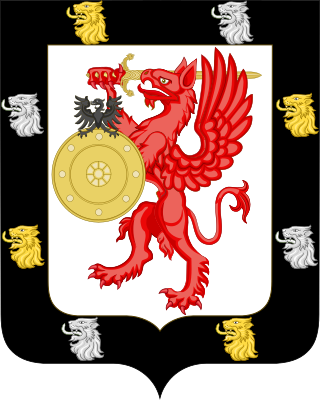
The House of Romanov was the reigning imperial house of Russia from 1613 to 1917. They achieved prominence after the Tsarina, Anastasia Romanova, was married to the First Tsar of Russia, Ivan the Terrible. Czar Nicholas II's immediate family was executed in 1918, but there are still living descendants.
Styles represent the fashion by which monarchs and noblemen are properly addressed. Throughout history, many different styles were used, with little standardization. This page will detail the various styles used by royalty and nobility in Europe, in the final form arrived at in the nineteenth century.
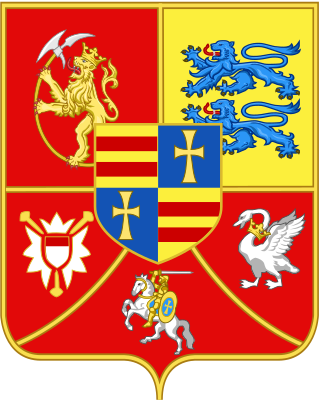
Holstein-Gottorp or Schleswig-Holstein-Gottorp is the historiographical name, as well as contemporary shorthand name, for the parts of the duchies of Schleswig and Holstein, also known as Ducal Holstein, that were ruled by the dukes of Schleswig-Holstein-Gottorp, a side branch of the elder Danish line of the House of Oldenburg. Other parts of the duchies were ruled by the kings of Denmark.
Grand prince or great prince is a title of nobility ranked in honour below emperor, equal of king or archduke and above a sovereign prince.
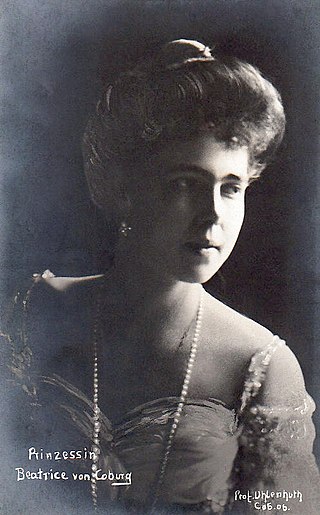
Princess Beatrice of Saxe-Coburg and Gotha was a member of the British royal family, a male-line granddaughter of Queen Victoria. She later married into the Spanish royal family, and was the wife of Prince Alfonso de Orleans y Borbón, Infante of Spain, a first cousin of Alfonso XIII of Spain.

Grand Duke Kirill Vladimirovich of Russia was a son of Grand Duke Vladimir Alexandrovich of Russia, a grandson of Emperor Alexander II and a first cousin of Nicholas II, Russia's last tsar. He was also the uncle of Princess Marina, Duchess of Kent.
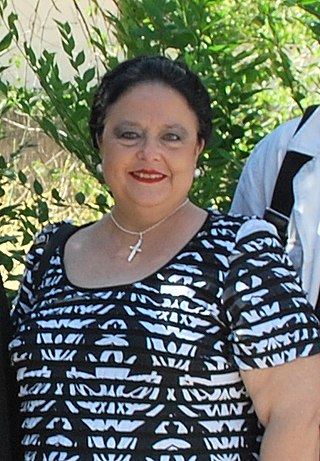
Grand Duchess Maria Vladimirovna of Russia has been a claimant to the headship of the House of Romanov, the Imperial Family of Russia since 1992. Although she has used Grand Duchess of Russia as her title of pretence with the style Imperial Highness throughout her life, her right to do so is disputed. She is a great-great-granddaughter in the male line of Emperor Alexander II of Russia.

Grand Duke Konstantin Konstantinovich of Russia was a grandson of Emperor Nicholas I of Russia, and a poet and playwright of some renown. He wrote under the pen name "K.R.", initials of his given name and family name, Konstantin Romanov.

The House of Mecklenburg, also known as Nikloting, is a North German dynasty of Slavic origin that ruled until 1918 in the Mecklenburg region, being among the longest-ruling families of Europe. Queen Juliana of the Netherlands (1909–2004), former Queen of the Netherlands (1948–1980), was an agnatic member of this house.
Nicholas Romanovich Romanov was a claimant to the headship of the House of Romanov and president of the Romanov Family Association. Although undoubtedly a descendant of Tsar Nicholas I of Russia, his claimed titles and official membership in the former Imperial House were disputed by those who maintained that his parents' marriage violated the laws of Imperial Russia.

Grand Duke Vladimir Alexandrovich of Russia was a son of Emperor Alexander II of Russia, a brother of Emperor Alexander III of Russia and the senior Grand Duke of the House of Romanov during the reign of his nephew, Emperor Nicholas II.
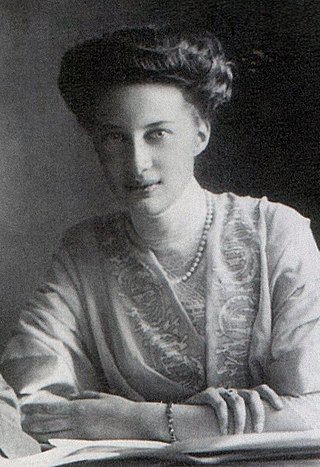
Princess Tatiana Constantinovna of Russia was the third child and eldest daughter of Grand Duke Constantine Constantinovich of Russia and his wife, Princess Elisabeth of Saxe-Altenburg.

Grand Duke Michael Mikhailovich of Russia was a son of Grand Duke Michael Nicolaievich of Russia and a grandson of Tsar Nicholas I of Russia.

Prince Andrei Alexandrovich of Russia was the first son and second child of Grand Duke Alexander Mikhailovich of Russia and Grand Duchess Xenia Alexandrovna of Russia. He was also the eldest nephew of Nicholas II of Russia, the last Tsar.

Prince Vasili Alexandrovich of Russia was the sixth son and youngest child of Grand Duke Alexander Mikhailovich of Russia and Grand Duchess Xenia Alexandrovna of Russia. He was a nephew of Tsar Nicholas II of Russia.
The Pauline Laws are the house laws of the Romanov rulers of the Russian Empire. The name comes from the fact that they were initially established by Emperor Paul I of Russia in 1797.

Princess Eugenia Maximilianovna of Leuchtenberg was a daughter of Maximilian de Beauharnais, 3rd Duke of Leuchtenberg and his wife Grand Duchess Maria Nikolaevna of Russia. Although she was a member of the French House of Beauharnais, she was born and raised in her mother's native country, Russia.

Duke Alexander Frederick Constantin of Oldenburg was the second son of Duke Peter of Oldenburg and his wife, Princess Therese of Nassau-Weilburg. Though he had a German title and ancestry, Alexander and his siblings were born and raised in St. Petersburg as the grandchildren of Grand Duchess Catherine Pavlovna of Russia.
A restoration of the Russian monarchy is a hypothetical event in which the Russian monarchy, which has been non-existent since the abdication of Nicholas II on 15 March 1917 and the murder of him and the rest of his closest family in 1918, is reinstated in today's Russian Federation. The only political parties as of today which advocates such a restoration is the Liberal Democratic Party of Russia and the Monarchist Party.


