Sir John Reresby, 2nd Baronet was an English politician and diarist. After returning in 1667 from exile during the English Civil War, he became a Member of Parliament in 1673.

There have been six baronetcies created for persons with the surname Smyth, two in the Baronetage of England, one in the Baronetage of Great Britain, one in the Baronetage of Ireland and two in the Baronetage of the United Kingdom. One creation is extant as of 2010.
Nineteen baronetcies have been created for persons with the surname Hamilton, eight in the Baronetage of Nova Scotia, one in the Baronetage of England, five in the Baronetage of Ireland, one in the Baronetage of Great Britain and four in the Baronetage of the United Kingdom. As of 2008 two creations are extant, two are dormant, two are either extinct or dormant and twelve extinct.
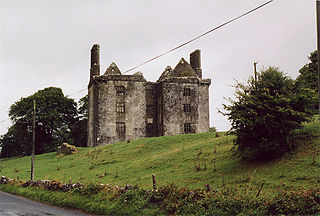
There have been two baronetcies created for persons with the surname Burke, both in the Baronetage of Ireland. As of 2014 one creation is extant.

The Ashe Baronetcy, of Twickenham in the County of Middlesex, was a title in the Baronetage of England. It was created on 19 September 1660 for Joseph Ashe, subsequently member of parliament for Downton. The second baronet also represented Downton in Parliament. The title became extinct on his death in 1733.
There have been five baronetcies created for people with the surname Napier, three in the Baronetage of England, one in the Baronetage of Nova Scotia and one in the Baronetage of the United Kingdom. As of 2014 two of the creations are extant.
Sir John Abdy, 4th Baronet was a British baronet and Tory politician.
The Douglas of Glenbervie, Kincardine Baronetcy was created on 28 May 1625 in the Baronetage of Nova Scotia.
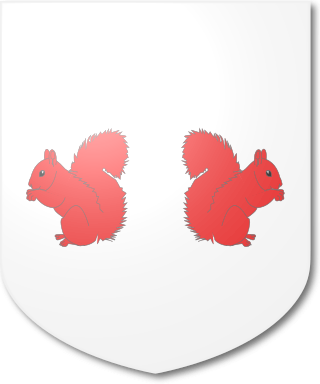
The Samwell Baronetcy, of Upton in the County of Northampton, was a title in the Baronetage of England. It was created on 22 December 1675 Thomas Samwell, later Member of Parliament for Northamptonshire and Northampton. He was the great-grandson of Sir William Samwell, Auditor of the Exchequer to Queen Elizabeth I of England. The second Baronet sat as Member of Parliament for Coventry. On the death of the fourth Baronet in 1789, the title became extinct.
There have been seven baronetcies created for persons with the surname Lawrence, one in the Baronetage of England, one in the Baronetage of Great Britain and five in the Baronetage of the United Kingdom.
There have been four baronetcies created for persons with the surname Willoughby, three in the Baronetage of England and one in the Baronetage of Great Britain. One creation is extant as of 2008.
There have been two baronetcies created for persons with the surname Pakington, one in the Baronetage of England and one in the Baronetage of the United Kingdom. One creation is extant as of 2008.

There have been five baronetcies created for members of the old established family of Peyton of Peyton Hall in the parish of Boxford in Suffolk, all of whom were descended from Sir Robert Peyton of Isleham in Cambridgeshire, grandson and heir of Thomas Peyton (1418–1484) of Isleham, twice Sheriff of Cambridgeshire and Huntingdonshire, in 1443 and 1453. All the baronetcies are extinct.

The Vandeput Baronetcy, of Twickenham in the County of Middlesex, was a title in the Baronetage of Great Britain. It was created on 7 November 1723 for Peter Vandeput. The title became extinct on the death of the second Baronet in 1784. George Vandeput, illegitimate son of the second Baronet, was an Admiral in the Royal Navy.

The Lawrencebaronetcy, of Loseby in the County of Leicester, was a title in the Baronetage of Great Britain. It was created on 17 January 1748 for Edward Lawrence, Esq., with remainder to his great-nephew, Isaac Woollaston of Lowesby Hall, Leicestershire. Lawrence was MP for Stockbridge. He died in 1749 and was succeeded according to the special remainder by his great-nephew, Isaac Woollaston, the second baronet. He was the grandson of Josiah Woollaston (1652–1689) by his wife Elizabeth Lawrence, sister of the first baronet. The title became extinct on the death of the second baronet's son, the third baronet, who died as a child in 1756.
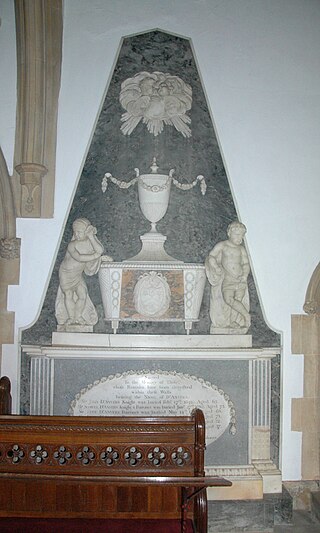
There have been two baronetcies created for persons with the surname Danvers, one in the Baronetage of England and one in the Baronetage of Great Britain. Both creations are extinct.
There have been three baronetcies created for persons with the surname Humble, two in the Baronetage of England and one in the Baronetage of the United Kingdom. All are extinct.

The Stepney Baronetcy, of Prendergast in the County of Pembroke, was a title in the Baronetage of England. It was created on 24 November 1621 for John Stepney. His son, Sir John, the third Baronet represented Pembroke and Haverfordwest in Parliament. The latter's nephew, the fourth Baronet, married Justina, daughter of Sir Anthony van Dyck. Their only son, Sir Thomas, the fifth Baronet, sat as Member of Parliament for Carmarthenshire. Sir Thomas's great-grandson, Sir John, the eighth Baronet, represented Monmouth in Parliament and served as Envoy to Dresden and Berlin. The eighth Baronet never married and was succeeded by his younger brother, Sir Thomas, the ninth Baronet, on whose death in 1825 the baronetcy became extinct.
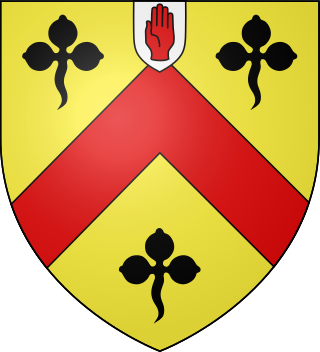
The Abdy baronetcy, of Albyns, in the County of Essex, was created in the Baronetage of England on 9 June 1660 for Robert Abdy. It became extinct on the death in 1759 of the 4th baronet.
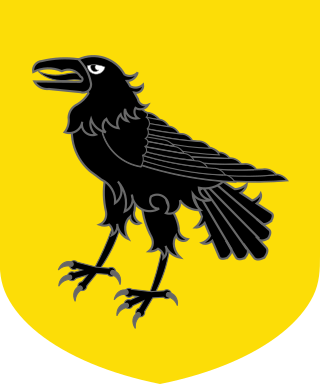
The Corbet baronetcy, of Stoke upon Tern in the County of Shropshire, was created in the Baronetage of England on 19 September 1627 for John Corbet.
