Related Research Articles

Energy storage is the capture of energy produced at one time for use at a later time to reduce imbalances between energy demand and energy production. A device that stores energy is generally called an accumulator or battery. Energy comes in multiple forms including radiation, chemical, gravitational potential, electrical potential, electricity, elevated temperature, latent heat and kinetic. Energy storage involves converting energy from forms that are difficult to store to more conveniently or economically storable forms.

Renewable energy, green energy, or low-carbon energy is energy from renewable resources that are naturally replenished on a human timescale. Renewable resources include sunlight, wind, the movement of water, and geothermal heat. Although most renewable energy sources are sustainable, some are not. For example, some biomass sources are considered unsustainable at current rates of exploitation. Renewable energy is often used for electricity generation, heating and cooling. Renewable energy projects are typically large-scale, but they are also suited to rural and remote areas and developing countries, where energy is often crucial in human development.
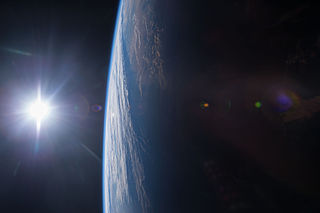
Solar energy is radiant light and heat from the Sun that is harnessed using a range of technologies such as solar power to generate electricity, solar thermal energy, and solar architecture. It is an essential source of renewable energy, and its technologies are broadly characterized as either passive solar or active solar depending on how they capture and distribute solar energy or convert it into solar power. Active solar techniques include the use of photovoltaic systems, concentrated solar power, and solar water heating to harness the energy. Passive solar techniques include orienting a building to the Sun, selecting materials with favorable thermal mass or light-dispersing properties, and designing spaces that naturally circulate air.

Grid energy storage is a collection of methods used for energy storage on a large scale within an electrical power grid. Electrical energy is stored during times when electricity is plentiful and inexpensive or when demand is low, and later returned to the grid when demand is high, and electricity prices tend to be higher.

Peaking power plants, also known as peaker plants, and occasionally just "peakers", are power plants that generally run only when there is a high demand, known as peak demand, for electricity. Because they supply power only occasionally, the power supplied commands a much higher price per kilowatt hour than base load power. Peak load power plants are dispatched in combination with base load power plants, which supply a dependable and consistent amount of electricity, to meet the minimum demand.

Thermal energy storage (TES) is the storage of thermal energy for later reuse. Employing widely different technologies, it allows surplus thermal energy to be stored for hours, days, or months. Scale both of storage and use vary from small to large – from individual processes to district, town, or region. Usage examples are the balancing of energy demand between daytime and nighttime, storing summer heat for winter heating, or winter cold for summer cooling. Storage media include water or ice-slush tanks, masses of native earth or bedrock accessed with heat exchangers by means of boreholes, deep aquifers contained between impermeable strata; shallow, lined pits filled with gravel and water and insulated at the top, as well as eutectic solutions and phase-change materials.

India's solar power installed capacity was 73.32 GWAC as of 31 December 2023.

Renewable energy in Finland increased from 34% of the total final energy consumption (TFEC) in 2011 to 48% by the end of 2021, primarily driven by bioenergy (38%), hydroelectric power (6.1%), and wind energy (3.3%). In 2021, renewables covered 53% of heating and cooling, 39% of electricity generation, and 20% of the transport sector. By 2020, this growth positioned Finland as having the third highest share of renewables in TFEC among International Energy Agency (IEA) member countries.

Solar power, also known as solar electricity, is the conversion of energy from sunlight into electricity, either directly using photovoltaics (PV) or indirectly using concentrated solar power. Solar panels use the photovoltaic effect to convert light into an electric current. Concentrated solar power systems use lenses or mirrors and solar tracking systems to focus a large area of sunlight to a hot spot, often to drive a steam turbine.

Energy in Finland describes energy and electricity production, consumption and import in Finland. Energy policy of Finland describes the politics of Finland related to energy. Electricity sector in Finland is the main article regarding electricity in Finland.

Turkey’s sunny climate possesses a high solar energy potential, specifically in the South Eastern Anatolia and Mediterranean regions. Solar power is a growing part of renewable energy in the country, with 12 gigawatts (GW) of solar panels generating 6% of the country's electricity. Solar thermal is also important.
Variable renewable energy (VRE) or intermittent renewable energy sources (IRES) are renewable energy sources that are not dispatchable due to their fluctuating nature, such as wind power and solar power, as opposed to controllable renewable energy sources, such as dammed hydroelectricity or biomass, or relatively constant sources, such as geothermal power.

Solar power in Denmark amounts to 3,529 MW of grid-connected PV capacity at the end of December 2023, and contributes to a goal to use 100% renewable electricity by 2030 and 100% renewable energy by 2050. Solar power met 6.1% of Danish electricity demand in 2022, the highest share in the Nordic countries.
Cryogenic energy storage (CES) is the use of low temperature (cryogenic) liquids such as liquid air or liquid nitrogen to store energy. The technology is primarily used for the large-scale storage of electricity. Following grid-scale demonstrator plants, a 250 MWh commercial plant is now under construction in the UK, and a 400 MWh store is planned in the USA.

Renewables supply a quarter of energy in Turkey, including heat and electricity. Some houses have rooftop solar water heating, and hot water from underground warms many spas and greenhouses. In parts of the west hot rocks are shallow enough to generate electricity as well as heat. Wind turbines, also mainly near western cities and industry, generate a tenth of Turkey’s electricity. Hydropower, mostly from dams in the east, is the only modern renewable energy which is fully exploited. Hydropower averages about a fifth of the country's electricity, but much less in drought years. Apart from wind and hydro, other renewables; such as geothermal, solar and biogas; together generated almost a tenth of Turkey’s electricity in 2022. Türkiye has ranked 5th in Europe and 12th in the world in terms of installed capacity in renewable energy. The share of renewables in Türkiye’s installed power reached to 54% at the end of 2022.
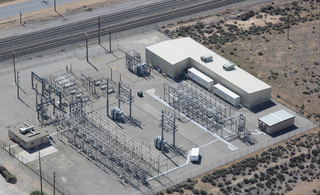
A battery storage power station, or battery energy storage system (BESS), is a type of energy storage power station that uses a group of batteries to store electrical energy. Battery storage is the fastest responding dispatchable source of power on electric grids, and it is used to stabilise those grids, as battery storage can transition from standby to full power in under a second to deal with grid contingencies.
Neoen is a French producer of exclusively renewable energy headquartered in Paris, France. Founded in 2008, it develops, finances, builds and operates solar power plants, wind farms and energy storage solutions. As at 30 June 2023, the company's total capacity was 7 GW, made up of 47% solar, 34% wind and 19% battery storage. Neoen aims to attain 10 GW in operation or under construction by 2025.
References
- ↑ Benke, Erika. "How a sand battery could transform clean energy". www.bbc.com. Retrieved 2023-04-25.
- ↑ https://unric.org/en/sand-warms-up-the-finnish-polar-night/
- 1 2 "The world's first "sand battery"? comes online in Finland". Wired.me. Retrieved 2023-03-18.
- ↑ "'Sand Battery' Can Store Excess Renewable Energy for Months". Popularmechanics.com. Retrieved 2023-03-18.
- ↑ "Sand Battery Trials Begin In Finland". CleanTechnica. 2022-07-05. Retrieved 2023-03-18.
- ↑ "Climate change: 'Sand battery' could solve green energy's big problem - BBC News". Bbc.com. Retrieved 2023-03-18.