Same-sex marriage has been legal in Florida since January 6, 2015, as a result of a ruling in Brenner v. Scott from the U.S. District Court for the Northern District of Florida. The court ruled the state's same-sex marriage ban unconstitutional on August 21, 2014. The order was stayed temporarily. State attempts at extending the stay failed, with the U.S. Supreme Court denying further extension on December 19, 2014. In addition, a state court ruling in Pareto v. Ruvin allowed same-sex couples to obtain marriage licenses in Miami-Dade County on the afternoon of January 5, 2015. In another state case challenging the state's denial of marriage rights to same-sex couples, a Monroe County court in Huntsman v. Heavilin stayed enforcement of its decision pending appeal and the stay expired on January 6, 2015. Florida was the 35th U.S. state to legalize same-sex marriage.
Same-sex marriage has been legally recognized in Colorado since October 7, 2014. Colorado's state constitutional ban on same-sex marriage was struck down in state district court on July 9, 2014, and by the U.S. District Court for the District of Colorado on July 23, 2014. The Tenth Circuit Court of Appeals had already made similar rulings with respect to such bans in Utah on June 25 and Oklahoma on July 18, which are binding precedents on courts in Colorado. On October 6, 2014, the U.S. Supreme Court declined to hear the Tenth Circuit cases, and the Tenth Circuit lifted its stay. On October 7, the Colorado Supreme Court and the Tenth Circuit cleared the way for same-sex marriages to begin in Colorado. Colorado was the 25th U.S. state to legalize same-sex marriage.
Same-sex marriage has been legal in Louisiana since the U.S. Supreme Court's ruling in Obergefell v. Hodges on June 26, 2015. The court held that the denial of marriage rights to same-sex couples is unconstitutional, invalidating Louisiana's ban on same-sex marriage. The ruling clarified conflicting court rulings on whether state officials are obligated to license same-sex marriages. Governor Bobby Jindal confirmed on June 28 that Louisiana would comply with the ruling once the Fifth Circuit Court of Appeals reversed its decision in a Louisiana case, which the Fifth Circuit did on July 1. Jindal then said the state would not comply with the ruling until the U.S. District Court for the Eastern District of Louisiana reversed its judgment, which it did on July 2. All parishes now issue marriage licenses in accordance with federal law.
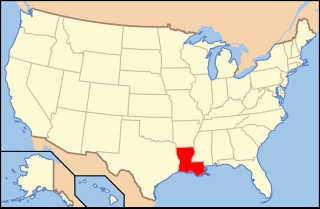
Forum for Equality is a Louisiana-based statewide LGBTQ civil rights advocacy group that was founded in 1989. The major focus of this group is on the political process, in which it encourages members to participate through reminders of upcoming elections, campaigns promoting awareness of legislation that affects the LGBT community, and rallies to demonstrate popular support for LGBT civil rights. The group also works to educate the LGBT community in Louisiana about the issues that affect the community as a whole. The organization is a member of the Equality Federation.

Sevcik v. Sandoval is the lead case that successfully challenged Nevada's denial of same-sex marriage as mandated by that state's constitution and statutory law. The plaintiffs' complaint was initially filed in the U.S. District Court for the District of Nevada on April 10, 2012, on behalf of several couples denied marriage licenses. These couples challenged the denial on the basis of the U.S. Constitution's Fourteenth Amendment guarantee of equal protection.
DeBoer v. Snyder is a lawsuit that was filed by April DeBoer and Jayne Rowse on January 23, 2012, in federal district court, challenging Michigan's ban on adoption by same-sex couples so they can jointly adopt their children. In August 2012, Judge Bernard A. Friedman invited the couple to amend their suit to challenge the state's ban on same-sex marriage, "the underlying issue". Following a hearing on October 16, 2013, Friedman scheduled a trial that ran from February 25 to March 7, 2014. On March 21, Judge Friedman issued his ruling overturning the ban. On March 22, the United States Court of Appeals for the Sixth Circuit placed a temporary hold on Judge Friedman's ruling. The appeal was argued on August 6. On November 6, the Sixth Circuit reversed Judge Friedman and upheld Michigan's ban on same-sex marriage.
Same-sex marriage has been legal in Texas since the U.S. Supreme Court's ruling in Obergefell v. Hodges on June 26, 2015. Previously, the U.S. state of Texas had banned same-sex marriage both by statute since 1973 and in its State Constitution since 2005. On February 26, 2014, Judge Orlando Luis Garcia of the U.S. District Court for the Western District of Texas found that Texas's ban on same-sex marriages was unconstitutional. On April 22, 2014, a state court came to the same conclusion. Both cases were appealed. The district court's decision was appealed to the Fifth Circuit Court of Appeals, but before that court could issue a ruling, the U.S. Supreme Court struck down all same-sex marriage bans in the United States in Obergefell on June 26, 2015. Within a few months of the court ruling, all counties had started issuing marriage licenses to same-sex couples, except for Irion County, which announced in 2020 that it would begin issuing licenses to same-sex couples, making it the last county in the United States to comply with the ruling.

Kitchen v. Herbert, 961 F.Supp.2d 1181, affirmed, 755 F.3d 1193 ; stay granted, 134 S.Ct. 893 (2014); petition for certiorari denied, No. 14-124, 2014 WL 3841263, is the federal case that successfully challenged Utah's constitutional ban on marriage for same-sex couples and similar statutes. Three same-sex couples filed suit in March 2013, naming as defendants Utah Governor Gary R. Herbert, Attorney General John Swallow, and Salt Lake County Clerk Sherrie Swensen in their official capacities.
The lead cases on same-sex marriage in Kentucky are Bourke v. Beshear, and its companion case Love v. Beshear. In Bourke, a U.S. district court found that the Equal Protection Clause requires Kentucky to recognize valid same-sex marriages from other jurisdictions. In Love, the same court found that this same clause renders Kentucky's ban on same-sex marriage unconstitutional. Both decisions were stayed and consolidated upon appeal to the Sixth Circuit Court of Appeals, which heard oral arguments in both cases on August 6, 2014. On November 6, the Sixth Circuit upheld Kentucky's ban on same-sex marriage.
Same-sex marriage has been legal in Kentucky since the U.S. Supreme Court's ruling in Obergefell v. Hodges on June 26, 2015. The decision, which struck down Kentucky's statutory and constitutional bans on same-sex marriages, was handed down on June 26, 2015, and Governor Steve Beshear and Attorney General Jack Conway announced almost immediately that the court's order would be implemented.
Tanco v. Haslam was the lead case in the dispute of same-sex marriage in Tennessee. A U.S. District Court granted a preliminary injunction requiring the state to recognize the marriages of the plaintiffs, three same-sex couples. The court found the equal protection analysis used in Bourke v. Beshear, a case dealing with a comparable Kentucky statute "especially persuasive." On April 25, 2014, that injunction was stayed by the Sixth Circuit Court of Appeals. Tanco was appealed to the Sixth Circuit, which reversed the district court and upheld Tennessee's refusal to recognize same-sex marriages from other jurisdictions on November 6.

Geiger v. Kitzhaber is a decision by the U.S. District Court for the District of Oregon that requires Oregon to allow same-sex couples to marry and to recognize same-sex marriages established in other jurisdictions. The decision arose from two consolidated cases that alleged that Oregon's constitutional ban on same-sex marriage, Article 15, § 5, and all related marriage statutes, violate the Due Process Clause and the Equal Protection Clause of the Fourteenth Amendment to the United States Constitution. Among the several defendants, Attorney General Ellen Rosenblum filed appearances in the case to defend Oregon's position, but declined to defend the constitutionality of the bans and ordered state agencies to recognize the validity of same-sex marriages established elsewhere.
Same-sex marriage has been legal in Mississippi since June 26, 2015. On November 25, 2014, U.S. District Court Judge Carlton W. Reeves of the U.S. District Court for the Southern District of Mississippi ruled that Mississippi's ban on same-sex marriage was unconstitutional. Enforcement of his ruling was stayed pending appeal to the Fifth Circuit Court of Appeals. On June 26, 2015, the U.S. Supreme Court ruled in Obergefell v. Hodges that the denial of marriage rights to same-sex couples violates the U.S. Constitution. On June 29, Attorney General Jim Hood ordered clerks to comply with the court ruling and issue marriage licenses to same-sex couples. The Fifth Circuit lifted its stay on July 1, and Judge Reeves ordered an end to Mississippi's enforcement of its same-sex marriage ban. However, until July 2, 2015, several counties in Mississippi continued to refuse to issue marriage licenses, including DeSoto, Jasper, Jones, Newton, Pontotoc, Simpson and Yalobusha.
Same-sex marriage has been legal in Missouri since the U.S. Supreme Court's landmark ruling in Obergefell v. Hodges, which struck down state bans on marriages between two people of the same sex on June 26, 2015. Prior to the court ruling, the state recognized same-sex marriages from other jurisdictions pursuant to a state court ruling in October 2014, and certain jurisdictions of the state performed same-sex marriage despite a statewide ban.
Wright v. Arkansas is a same-sex marriage case pending before the Arkansas Supreme Court. An Arkansas Circuit Court judge ruled the Arkansas Constitution's ban on same-sex marriage unconstitutional on May 9, 2014. He clarified his opinion to include state statutes that interfered with allowing or recognizing same-sex marriage as well. The state Supreme Court issued a stay in the case on May 16, 2014, but approximately 450 same-sex marriage licenses were issued before the stay went into effect.
Latta v. Otter is a case initiated in 2013 in U.S. federal court by plaintiffs seeking to prevent the state of Idaho from enforcing its ban on same-sex marriage. The plaintiffs won in U.S. District Court. The case was appealed to the Ninth Circuit Court of Appeals, which heard this together with two related cases–Jackson v. Abercrombie, and Sevcik v. Sandoval.

Baskin v. Bogan, the lead Indiana case challenging that state's denial of marriage rights to same-sex couples, was filed in federal district court on March 12, 2014, naming several government officials as defendants. Chief Judge Richard L. Young found for the plaintiffs on June 25. A three-judge panel of the U.S. Court of Appeals for the Seventh Circuit upheld the district court ruling in a unanimous decision on September 4.

Burns v. Hickenlooper is a lawsuit filed on July 1, 2014, in federal district court in Colorado, challenging that state's denial of marriage rights to same-sex couples. The plaintiffs' complaint alleged that the defendants have violated the Fourteenth Amendment by denying plaintiffs the fundamental right of marriage. The defendants agreed with the substance of the plaintiffs' case, but asked the district court to stay implementation of any order requiring Colorado to alter enforcement of its ban pending the outcome of other litigation. After the district court declined to grant more than a one-month stay on July 23, the state's governor and attorney general appealed and won a stay from the Tenth Circuit Court of Appeals on August 21. Following U.S. Supreme Court action in other cases, on October 8 they asked the Tenth Circuit to dismiss their appeal and lift the stay, which would effectively legalize same-sex marriage in Colorado.
In Brenner v. Scott and its companion case, Grimsley v. Scott, a U.S. district court found Florida's constitutional and statutory bans on same-sex marriage unconstitutional. On August 21, 2014, the court issued a preliminary injunction that prevented that state from enforcing its bans and then stayed its injunction until stays were lifted in the three same-sex marriage cases then petitioning for a writ of certiorari in the U.S. Supreme Court–Bostic, Bishop, and Kitchen–and for 91 days thereafter. When the district court's preliminary injunction took effect on January 6, 2015, enforcement of Florida's bans on same-sex marriage ended.
Obergefell v. Hodges, 576 U.S. 644 (2015), is a landmark decision of the Supreme Court of the United States which ruled that the fundamental right to marry is guaranteed to same-sex couples by both the Due Process Clause and the Equal Protection Clause of the Fourteenth Amendment of the Constitution. The 5–4 ruling requires all 50 states, the District of Columbia, and the Insular Areas to perform and recognize the marriages of same-sex couples on the same terms and conditions as the marriages of opposite-sex couples, with equal rights and responsibilities. Prior to Obergefell, same-sex marriage had already been established by statute, court ruling, or voter initiative in 36 states, the District of Columbia, and Guam.
