Related Research Articles

A green roof or living roof is a roof of a building that is partially or completely covered with vegetation and a growing medium, planted over a waterproofing membrane. It may also include additional layers such as a root barrier and drainage and irrigation systems. Container gardens on roofs, where plants are maintained in pots, are not generally considered to be true green roofs, although this is debated. Rooftop ponds are another form of green roofs which are used to treat greywater. Vegetation, soil, drainage layer, roof barrier and irrigation system constitute the green roof.
Sustainable living describes a lifestyle that attempts to reduce the use of Earth's natural resources by an individual or society. Its practitioners often attempt to reduce their ecological footprint by altering their home designs and methods of transportation, energy consumption and diet. Its proponents aim to conduct their lives in ways that are consistent with sustainability, naturally balanced, and respectful of humanity's symbiotic relationship with the Earth's natural ecology. The practice and general philosophy of ecological living closely follows the overall principles of sustainable development.

A roof garden is a garden on the roof of a building. Besides the decorative benefit, roof plantings may provide food, temperature control, hydrological benefits, architectural enhancement, habitats or corridors for wildlife, recreational opportunities, and in large scale it may even have ecological benefits. The practice of cultivating food on the rooftop of buildings is sometimes referred to as rooftop farming. Rooftop farming is usually done using green roof, hydroponics, aeroponics or air-dynaponics systems or container gardens.

Urban agriculture refers to various practices of cultivating, processing, and distributing food in urban areas. The term also applies to the area activities of animal husbandry, aquaculture, beekeeping, and horticulture in an urban context. Urban agriculture is distinguished from peri-urban agriculture, which takes place in rural areas at the edge of suburbs.
Ken Yeang is an architect, ecologist, planner and author from Malaysia, best known for his ecological architecture and ecomasterplans that have a distinctive green aesthetic. He pioneered an ecology-based architecture, working on the theory and practice of sustainable design. The Guardian newspaper (2008) named him "one of the 50 people who could save the planet". Yeang's headquarters is in Kuala Lumpur (Malaysia) as Hamzah & Yeang, with offices in London (UK) as Llewelyn Davies Ken Yeang Ltd. and Beijing (China) as North Hamzah Yeang Architectural and Engineering Company.
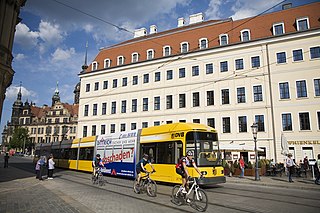
A sustainable city, eco-city, or green city is a city designed with consideration for social, economic, environmental impact, and resilient habitat for existing populations, without compromising the ability of future generations to experience the same. The UN Sustainable Development Goal 11 defines sustainable cities as those that are dedicated to achieving green sustainability, social sustainability and economic sustainability. They are committed to doing so by enabling opportunities for all through a design focused on inclusivity as well as maintaining a sustainable economic growth. The focus will also includes minimizing required inputs of energy, water, and food, and drastically reducing waste, output of heat, air pollution – CO2, methane, and water pollution. Richard Register, a visual artist, first coined the term ecocity in his 1987 book Ecocity Berkeley: Building Cities for a Healthy Future, where he offers innovative city planning solutions that would work anywhere. Other leading figures who envisioned sustainable cities are architect Paul F Downton, who later founded the company Ecopolis Pty Ltd, as well as authors Timothy Beatley and Steffen Lehmann, who have written extensively on the subject. The field of industrial ecology is sometimes used in planning these cities.

Sustainable landscape architecture is a category of sustainable design concerned with the planning and design of the built and natural environments.

Green infrastructure or blue-green infrastructure refers to a network that provides the “ingredients” for solving urban and climatic challenges by building with nature. The main components of this approach include stormwater management, climate adaptation, the reduction of heat stress, increasing biodiversity, food production, better air quality, sustainable energy production, clean water, and healthy soils, as well as more anthropocentric functions, such as increased quality of life through recreation and the provision of shade and shelter in and around towns and cities. Green infrastructure also serves to provide an ecological framework for social, economic, and environmental health of the surroundings. More recently scholars and activists have also called for green infrastructure that promotes social inclusion and equity rather than reinforcing pre-existing structures of unequal access to nature-based services.

Bjarke Bundgaard Ingels is a Danish architect, founder and creative partner of Bjarke Ingels Group (BIG).
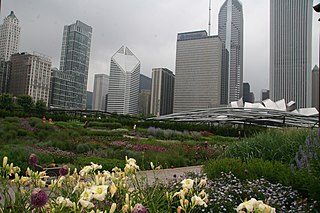
Lurie Garden is a 2.5-acre (10,000 m2) garden located at the southern end of Millennium Park in the Loop area of Chicago in Cook County, Illinois, United States. Designed by GGN, Piet Oudolf, and Robert Israel, it opened on July 16, 2004. The garden is a combination of perennials, bulbs, native prairie grasses, shrubs and trees. It is the featured nature component of the world's largest green roof. The garden cost $13.2 million and has a $10 million endowment for maintenance and upkeep. It was named after Ann Lurie, who donated the $10 million endowment. For visitors, the garden features guided walks, lectures, interactive demonstrations, family festivals and picnics.

The Green Exchange is a sustainable and green retail and office development project in the Logan Square community area of Chicago, Illinois that is designed to house eco-friendly businesses and organizations. Developers of the building have been awarded LEED Platinum status for their rehabilitation of a historic landmark four-story manufacturing facility originally built in 1914. The retail and office space is open to the public and is intended to serve as an important Midwest destination for green consumers.

HortPark is a 9-hectare (22-acre) park located in Queenstown, Singapore. It opened in December 2007 and was officially launched by Prime Minister Lee Hsien Loong in May 2008.
A hanging garden is a form of sustainable landscape architecture that can take several different forms, such as roof gardens, but will always be defined as a garden planted at a suspended or elevated position off the ground. These gardens are created with walls, fences, planted on terraces, growing from cliffs, or anything where the garden is not touching the earth. Space optimization is the main intention with the gardens, however, aesthetics and providing cleaner air are also popular reasons for setting one up. Hanging gardens are popular in urban environments where there is limited space, such as in New York or California.

WOHA is a Singaporean multinational architectural industrial design firm. First established in 1994 by Wong Mun Summ and Richard Hassell, its name is derived from the initial letters of the founders’ surnames. Based out of Singapore, the firm has built and designed dozens of projects throughout the Asia-Pacific, including residential towers, public housing estates, mass transit stations, hotels and cultural institutions.
Environmentally sustainable design is the philosophy of designing physical objects, the built environment, and services to comply with the principles of ecological sustainability and also aimed at improving the health and comfort of occupants in a building. Sustainable design seeks to reduce negative impacts on the environment, the health and well-being of building occupants, thereby improving building performance. The basic objectives of sustainability are to reduce the consumption of non-renewable resources, minimize waste, and create healthy, productive environments.
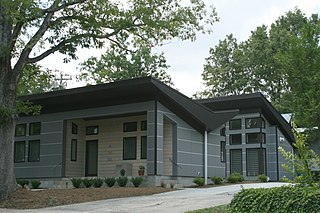
A green home is a type of house designed to be environmentally sustainable. Green homes focus on the efficient use of "energy, water, and building materials". A green home may use sustainably sourced, environmentally friendly, and/or recycled building materials. This includes materials like reclaimed wood, recycled metal, and low VOC paints. Additionally, green homes often prioritize energy efficiency by incorporating features, such as high-performance insulation, energy-efficient appliances, and smart home technologies that monitor and optimize energy usage. Water conservation is another important aspect, with green homes often featuring water-saving fixtures, rainwater harvesting systems, and grey water recycling systems to reduce water waste. It may include sustainable energy sources such as solar or geothermal, and be sited to take maximum advantage of natural features such as sunlight and tree cover to improve energy efficiency.
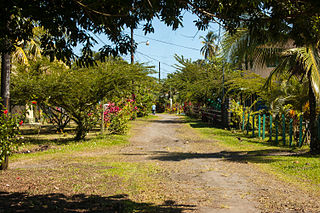
Green urbanism has been defined as the practice of creating communities beneficial to humans and the environment. According to Timothy Beatley, it is an attempt to shape more sustainable places, communities and lifestyles, and consume less of the world's resources. Urban areas are able to lay the groundwork of how environmentally integrated and sustainable city planning can both provide and improve environmental benefits on the local, national, and international levels. Green urbanism is interdisciplinary, combining the collaboration of landscape architects, engineers, urban planners, ecologists, transport planners, physicists, psychologists, sociologists, economists and other specialists in addition to architects and urban designers.
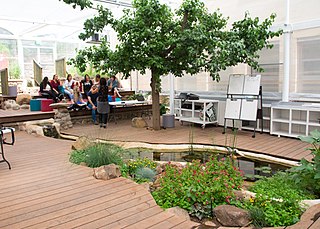
Biophilic design is a concept used within the building industry to increase occupant connectivity to the natural environment through the use of direct nature, indirect nature, and space and place conditions. Used at both the building and city-scale, it is argued that this idea has health, environmental, and economic benefits for building occupants and urban environments, with few drawbacks. Although its name was coined in recent history, indicators of biophilic design have been seen in architecture from as far back as the Hanging Gardens of Babylon. While the design features that characterize Biophilic design were all traceable in preceding sustainable design guidelines, the new term sparked wider interest and lent academic credibility.
LGA Architectural Partners (LGA) is an architectural firm based in Toronto, Ontario, Canada, that specializes in creating sustainable, contextually-sensitive and socially-minded architecture. Their diverse portfolio "represents a wide range of building types that are unified in their commitment to strengthening social objectives". The firm, which has been in practice for over 30 years, is known for its socially responsible architecture and "have been leaders in encouraging this approach". They are also known for their work as advocates for social and affordable housing. According to the RAIC's 2019 Architectural Firm Award jury, "Their community-minded approach, combined with innovative design strategies and a sensitivity to sustainability, makes their architecture both aspirational and impressive".

The Bottle Houses in Prince Edward Island (PEI), also known as the symphony of color and light, was built in 1980 by Edouard Arsenault. It is made of hundreds of recycled colored glass bottles, a popular tourist site in PEI. Bottle wall construction is the process of building a structure, usually housing, with glass or plastic bottles and a binding material. This sustainable building type helps reduce the chances of bottles dumped at landfills and promotes reuse of "waste" material. The bottle houses on the Island have many benefits to the locals and visitors, such as; its aesthetic style, low cost of production to renewable resource architecture and sustainability (8).
References
- ↑ Toronto Star - Gardens in the sky; Green Roofs for Healthy Cities wants to bring nature to the top of the city's high-rise towers Rooftop greenery can help to regulate temperature and cut down on noise pollution - Joe Fantauzzi - Oct 23, 2004
- ↑ Interpress Service - U.S.: GREEN ROOFS GAIN POPULARITY AS ENERGY BILLS SOAR. - Enrique Gili /IFEJ - July 06, 2007 –
- ↑ "Greening Rooftops for Sustainable Communities". greenroofs.org. Archived from the original on 2007-07-12.