Related Research Articles
Psychology is the study of mind and behavior. Its subject matter includes the behavior of humans and nonhumans, both conscious and unconscious phenomena, and mental processes such as thoughts, feelings, and motives. Psychology is an academic discipline of immense scope, crossing the boundaries between the natural and social sciences. Biological psychologists seek an understanding of the emergent properties of brains, linking the discipline to neuroscience. As social scientists, psychologists aim to understand the behavior of individuals and groups.

The American Psychological Association (APA) is the main professional organization of psychologists in the United States, and the largest psychological association in the world. It has over 146,000 members, including scientists, educators, clinicians, consultants, and students. It has 54 divisions—interest groups for different subspecialties of psychology or topical areas. The APA has an annual budget of around $125 million.
Humanistic psychology is a psychological perspective that arose in the mid-20th century in answer to two theories: Sigmund Freud's psychoanalytic theory and B. F. Skinner's behaviorism. Thus, Abraham Maslow established the need for a "third force" in psychology. The school of thought of humanistic psychology gained traction due to key figure Abraham Maslow in the 1950s during the time of the humanistic movement. It was made popular in the 1950s by the process of realizing and expressing one's own capabilities and creativity.
Applied psychology is the use of psychological methods and findings of scientific psychology to solve practical problems of human and animal behavior and experience. Educational and organizational psychology, business management, law, health, product design, ergonomics, behavioural psychology, psychology of motivation, psychoanalysis, neuropsychology, psychiatry and mental health are just a few of the areas that have been influenced by the application of psychological principles and scientific findings. Some of the areas of applied psychology include counseling psychology, industrial and organizational psychology, engineering psychology, occupational health psychology, legal psychology, school psychology, sports psychology, community psychology, neuropsychology, medical psychology and clinical psychology, evolutionary psychology, human factors, forensic psychology and traffic psychology. In addition, a number of specialized areas in the general area of psychology have applied branches. However, the lines between sub-branch specializations and major applied psychology categories are often mixed or in some cases blurred. For example, a human factors psychologist might use a cognitive psychology theory. This could be described as human factor psychology or as applied cognitive psychology. When applied psychology is used in the treatment of behavioral disorders there are many experimental approaches to try and treat an individual. This type of psychology can be found in many of the subbranches in other fields of psychology.
School psychology is a field that applies principles from educational psychology, developmental psychology, clinical psychology, community psychology, and behavior analysis to meet the learning and behavioral health needs of children and adolescents. It is an area of applied psychology practiced by a school psychologist. They often collaborate with educators, families, school leaders, community members, and other professionals to create safe and supportive school environments.
Forensic psychology is the practice of psychology applied to the law. Forensic psychology is the application of scientific knowledge and methods to help answer legal questions arising in criminal, civil, contractual, or other judicial proceedings. Forensic psychology includes research on various psychology-law topics, such as jury selection, reducing systemic racism in criminal law, eyewitness testimony, evaluating competency to stand trial, or assessing military veterans for service-connected disability compensation. The American Psychological Association's Specialty Guidelines for Forensic Psychologists reference several psychology subdisciplines, such as social, clinical, experimental, counseling, and neuropsychology.
Clinical psychology is an integration of human science, behavioral science, theory, and clinical knowledge for the purpose of understanding, preventing, and relieving psychologically-based distress or dysfunction and to promote subjective well-being and personal development. Central to its practice are psychological assessment, clinical formulation, and psychotherapy, although clinical psychologists also engage in research, teaching, consultation, forensic testimony, and program development and administration. In many countries, clinical psychology is a regulated mental health profession.
Counseling psychology is a psychological specialty that began with a focus on vocational counseling, but later moved its emphasis to adjustment counseling, and then expanded to cover all normal psychology psychotherapy. There are many subcategories for counseling psychology, such as marriage and family counseling, rehabilitation counseling, clinical mental health counseling, educational counseling, etc. In each setting, they are all required to follow the same guidelines.
Health psychology is the study of psychological and behavioral processes in health, illness, and healthcare. The discipline is concerned with understanding how psychological, behavioral, and cultural factors contribute to physical health and illness. Psychological factors can affect health directly. For example, chronically occurring environmental stressors affecting the hypothalamic–pituitary–adrenal axis, cumulatively, can harm health. Behavioral factors can also affect a person's health. For example, certain behaviors can, over time, harm or enhance health. Health psychologists take a biopsychosocial approach. In other words, health psychologists understand health to be the product not only of biological processes but also of psychological, behavioral, and social processes.
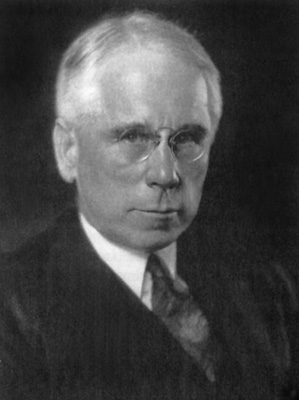
Lightner Witmer was an American psychologist. He introduced the term "clinical psychology" and is often credited with founding the field that it describes. Witmer created the world's first "psychological clinic" at the University of Pennsylvania in 1896, including the first journal of clinical psychology and the first clinical hospital school in 1907.
Engineering psychology, also known as Human Factors Engineering, is the science of human behavior and capability, applied to the design and operation of systems and technology. As an applied field of psychology and an interdisciplinary part of ergonomics, it aims to improve the relationships between people and machines by redesigning equipment, interactions, or the environment in which they take place. The work of an engineering psychologist is often described as making the relationship more "user-friendly."
The Association for Business Psychology is the professional representative, deliberative and regulatory institution for business psychologists. It has global members but the majority can be found in the United Kingdom and Ireland. The ABP certifies business psychologists at multiple levels; Certified Business Psychologist, Certified Principal Business Psychologist and Fellow of the Association for Business Psychology. It holds annual conferences, approves university courses in the field, negotiates on behalf of the profession, and makes training and other information available both to members and to others.
Feminist psychology is a form of psychology centered on social structures and gender. Feminist psychology critiques historical psychological research as done from a male perspective with the view that males are the norm. Feminist psychology is oriented on the values and principles of feminism.
Psychology encompasses a vast domain, and includes many different approaches to the study of mental processes and behavior. Below are the major areas of inquiry that taken together constitute psychology. A comprehensive list of the sub-fields and areas within psychology can be found at the list of psychology topics and list of psychology disciplines.
David A. Verhaagen is an American psychologist and the author or co-author of nine books, including Therapy with Young Men, Assessing and Managing Violence Risk in Juveniles, Sexually Aggressive Youth, and Parenting the Millennial Generation. As a licensed psychologist who earned his Ph.D. in psychology from the University of North Carolina at Chapel Hill, Verhaagen previously served as clinical director for three mental health agencies. He is a founding partner of Southeast Psych, a large psychology practice in Charlotte, NC and Nashville, TN. He is board-certified in Child and Adolescent Clinical Psychology by the American Board of Professional Psychology and is a Fellow of both The American Board of Clinical Psychology and The American Board of Clinical Child and Adolescent Psychology. He has been cited several times in USA Today and Newsweek. He is an Adjunct Assistant Professor at Vanderbilt University with the Ph.D. Clinical Psychology program.
Samuel David Gosling is a personality and social psychologist with interests in social perception, cross-species, and trends in the history of psychology. His work in social perception examines how people form impressions on others through their behavior, appearance, and physical environment, while his work with cross-species examines how animals can lead to theories of personality and social psychology. For instance, he studied individual differences in personality and social behaviors, and how personality traits are portrayed and described in a number of different species including humans, hyenas, dogs, and cats. In general, Gosling's research pertains to evolutionary and ecological principles. He holds a PhD from the University of California at Berkeley, and is currently a professor within the Department of Psychology at the University of Texas at Austin.
Ludy T. Benjamin Jr. is an American psychologist and historian of psychology. He retired from Texas A&M University in 2012. He is a charter member of the Association for Psychological Science and a former director of the Office of Educational Affairs at the American Psychological Association (APA). He was president of two APA divisions, wrote more than 20 books and authored more than 150 journal articles and book chapters.
Giuseppe (Joseph) Dominic Matarazzo is an American psychologist and a past president of the American Psychological Association (APA). He chaired the first medical psychology department in the United States and has been credited with much of the early work in health psychology.
Coaching psychology is a field of applied psychology that applies psychological theories and concepts to the practice of coaching. Its aim is to increase performance, self-actualization, achievement and well-being in individuals, teams and organisations by utilising evidence-based methods grounded in scientific research. Coaching psychology is influenced by theories in various psychological fields, such as humanistic psychology, positive psychology, learning theory and social psychology.

Peter Jason Rentfrow is professor of personality and individual differences in the Psychology Department at Cambridge University, where he directs the Social Dynamics Research Center. He is an elected Fellow of the Association for Psychological Science, the Society for Personality and Social Psychology, and the Alan Turing Institute.
References
- ↑ Bryan Gardiner (September 28, 2010). "Exclusive: The Plans For Steve Jobs' New House" . Retrieved July 1, 2015.
- 1 2 "A Revolutionary New Approach to Design". Archived from the original on May 31, 2015. Retrieved July 1, 2015.
- ↑ "Welche Spuren Hinterlässt Meine Persönlichkeit". Welt der Wunder. April 2009.
- ↑ "My House Doesn't Understand Me". NRC Weekend. January 2013.
- 1 2 3 4 5 6 "Home Is Where the Head Is". New York Times. July 17, 2008. Retrieved July 1, 2015.
- ↑ Sam Gosling (November 4, 2013). "The Psychologist Who Snoops For A Living". Tehelka (India).
- ↑ "Designing the Home as an Ecosystem". The Psychitecture Magazine. June 2007.
- 1 2 3 4 "Christopher K. Travis" . Retrieved July 1, 2015.