Related Research Articles

The Design 1013 ship, also known as the Robert Dollar type, was a steel-hulled cargo ship design approved for mass production by the United States Shipping Board's Emergency Fleet Corporation (EFT) in World War I. Like many of the early designs approved by the EFT, the Design 1013 did not originate with the EFT itself but was based on an existing cargo ship design, in this case one developed by the Skinner & Eddy Corporation of Seattle, Washington.
The Design 1017 ship was a steel-hulled cargo ship design approved for production by the United States Shipping Board's Emergency Fleet Corporation (EFT) in World War I. They were referred to as the "Downey-type" as they were built by Downey Shipbuilding on Staten Island. 10 ships were completed for the USSB in late 1918 and through 1919. An additional ship was completed in 1920 for a private shipping company.
The Design 1018 ship was a steel-hulled cargo ship design approved for production by the United States Shipping Board's Emergency Fleet Corporation (EFT) in World War I. They were referred to as the "Sun-type" as they were built by Sun Shipbuilding & Drydock Co. in Chester, Pennsylvania. 4 ships were completed for the USSB in late 1919 and through 1920. An additional ship was completed in 1920 for a private shipping company.
The Design 1021 ship was a steel-hulled cargo ship design approved for production by the United States Shipping Board's Emergency Fleet Corporation (EFT) in World War I. They were referred to as the "Long Beach-type" as they were built by Long Beach Shipbuilding Company in Long Beach, California. Three ships were completed for the USSB in 1918 and 1919.
The Design 1012 ship was a steel-hulled cargo ship design approved for production by the United States Shipping Board's Emergency Fleet Corporation (EFT) in World War I. They were referred to as the "Munrio"-type which was the name of the SS Munrio, a similar pre-EFT ship built at the Bethlehem Sparrows Point Shipyard. They were all built by Merrill-Stevens Drydock & Repair Company at their Jacksonville, Florida shipyard. 4 ships were completed for the USSB in 1918 and 1919. An additional order of 17 ships was cancelled.
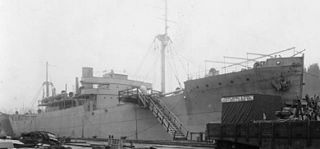
The Design 1014 ship was a steel-hulled cargo ship design approved for production by the United States Shipping Board's Emergency Fleet Corporation (EFT) in World War I. They were referred to as the "Cascade"-type. They were all built by Todd Shipyards, then part of Todd Drydock and Construction Company, at their Tacoma, Washington shipyard. 20 ships were completed for the USSB in 1919 and 1920; and additional 2 were completed in 1920 for private companies. 12 ships were cancelled.
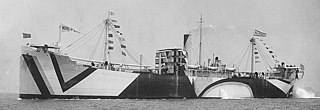
The Design 1015 ship was a steel-hulled cargo ship design approved for production by the United States Shipping Board's Emergency Fleet Corporation (EFT) during World War I. They were referred to as the "Moore & Scott"-type.

The Design 1016 ship was a steel-hulled cargo ship design approved for production by the United States Shipping Board's Emergency Fleet Corporation (EFT) during World War I. They were referred to as the "Baltimore Drydock"-type.

The Design 1025 ship was a steel-hulled cargo ship design approved for production by the United States Shipping Board's Emergency Fleet Corporation (EFT) in World War I. They were referred to as the "Harriman-type" as the majority of ships were built in the Harriman section of Bristol, Pennsylvania. A total of 62 ships were ordered and built at three shipyards: 40 ships at Merchant Shipbuilding Corporation, Bristol, Pennsylvania; 12 ships at Newburgh Shipyards in Newburgh, New York; and 10 ships at Pensacola Shipbuilding Company in Pensacola, Florida.
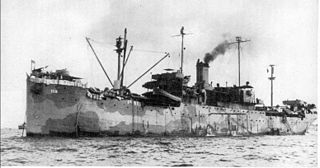
The Design 1027 ship was a steel-hulled cargo ship design approved for production by the United States Shipping Board's Emergency Fleet Corporation (EFT) in World War I. They were referred to as the Oscar Daniels-type as all the ships were built at the Oscar Daniels Shipbuilding Company, Tampa, Florida. A total of 10 ships were ordered and built from 1919–1921.
The Design 1037 ship was a steel-hulled tanker ship design approved for production by the United States Shipping Board's Emergency Fleet Corporation (EFT) in World War I. A total of 48 ships were ordered and completed from 1918 to 1920. The ships were constructed at three yards: Doullut & Williams Shipbuilding Company of New Orleans, Louisiana, Federal Shipbuilding Company of Kearney, New Jersey, and George A. Fuller & Company of Wilmington, North Carolina.
The Design 1038 ship was a steel-hulled tanker ship design approved for production by the United States Shipping Board's Emergency Fleet Corporation (EFT) in World War I. A total of 16 ships were ordered of which 8 were cancelled and 8 completed from 1919 to 1920. The ships were constructed at the Mobile, Alabama shipyard of the Mobile Shipbuilding Company.
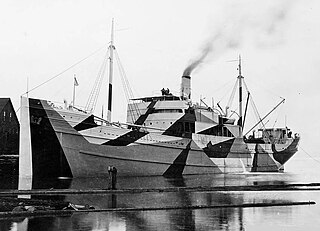
The Design 1065 ship was a wooden-hulled cargo ship design approved for production by the United States Shipping Board's Emergency Fleet Corporation (EFT) in World War I. A total of 7 ships were ordered and completed for the USSB from 1918 to 1919. The ships were constructed at the Bellingham, Washington shipyard of Pacific American Fisheries. The USSB originally wanted Pacific American Fisheries to follow its standard "Ferris-type" design used by other shipyards but PAF was successful in convincing them to use their own design which they felt was more seaworthy. The cost was $50,000 per ship.
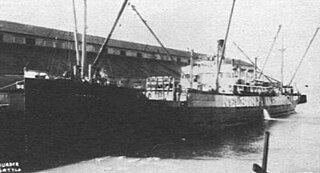
SS Arcata, was built in 1919 as the SS Glymont for the United States Shipping Board as a merchant ship by the Albina Engine & Machine Works in Portland, Oregon. The 2,722-ton cargo ship Glymont was operated by the Matson Navigation till 1923 in post World War I work. In 1923 she was sold to Cook C. W. of San Francisco. In 1925 she was sold to Nelson Charles Company of San Francisco. In 1937 she was sold to Hammond Lumber Company of Fairhaven, California. For World War II, in 1941, she was converted to an US Army Troopship, USAT Arcata. She took supplies and troops to Guam. On July 14, 1942, she was attacked by Japanese submarine I-7 and sank. She was operating as a coastal resupply in the Gulf of Alaska, south of the Aleutian Islands at, approximately 165 nautical miles southeast of Sand Point, when she sank. She was returning after taking supplies to Army troops fighting in the Aleutian Islands campaign.

The Design 1001 ship was a wood-hulled cargo ship design approved for production by the United States Shipping Board's Emergency Fleet Corporation (EFT) in World War I. They were referred to as the "Ferris"-type after its designer, naval architect Theodore E. Ferris. Most ships were completed in 1918 or 1919. Many ships were completed as barges or as hulls.

The Design 1003 ship was a wood-hulled cargo ship design approved for production by the United States Shipping Board's Emergency Fleet Corporation (EFT) in World War I. They were referred to as the "Hough"-type. Most ships were completed in 1918 or 1919. Many ships were completed as barges or as hulls.
The George F. Rodgers Shipbuilding Company was a shipbuilder located in Astoria, Oregon.
The Newcomb Lifeboat Company was a shipyard located in Hampton, Virginia that operated during World War I.
The Design 1005 ship was a wood-hulled cargo ship design approved for production by the United States Shipping Board's Emergency Fleet Corporation (EFT) in World War I. The ships were referred to as the "Grays Harbor"-type as all were built by the Grays Harbor Motorship Company in Aberdeen, Washington or the "Ward"-type after their designer M. R. Ward. The first ship of the class, the SS Wishkah, was listed at 2,924 gross tons with dimensions of 272.1 x 48.4 x 25.7, 1400 indicated horsepower, and carried a crew of 47. The class does not include the four Design 1116 cargo ships also designed by Ward and completed at the shipyard as they were a modified design at 3,132 gross tons and 5,000 tons deadweight. All ships were completed in 1918 or 1919.
The Design 1016 ship was a wood-hulled cargo ship design approved for production by the United States Shipping Board's Emergency Fleet Corporation (EFT) in World War I. All were built by the Grays Harbor Motorship Company in Aberdeen, Washington. They were referred to as the "Ward"-type after M.R. Ward, manager at the Grays Harbor shipyard. All the hulls were laid down in 1919. The first ship of the class, the SS Adria, was listed at 3,132 gross tons with dimensions of 272.8 x 49.3 x 25.6, 1400 indicated horsepower, and carried a crew of 36.
References
- 1 2 3 McKellar, Norman L. "American Wooden Shipbuilding in World War One, Part II" (PDF). American Wooden Shipbuilding in World War One, 1917-1921. ShipScribe. Retrieved 3 July 2022.
- ↑ McKellar, Norman L. "American Wooden Shipbuilding in World War One, Part I" (PDF). American Wooden Shipbuilding in World War One, 1917-1921. ShipScribe. Retrieved 3 July 2022.
- ↑ Hopkins, Fred (1994). "Emergency Fleet Corporation Ship Construction in World War I in the Pacific Northwest" (PDF). The Northern Mariner . Canadian Nautical Research Society. IV (4): 1–14.
- ↑ Colton, Tim (August 25, 2021). "Emergency Shipbuilders of World War I - Builders of Wooden Ships and Barges". ShipbuildingHistory. Retrieved 3 July 2022.
- ↑ "Portland Shipbuilding Industry". National Journal. IV (5): 332. December 1918.
- ↑ Shipyards of the Pacific Coast - "Peninsula" Type Ship. The Timberman. April 1918. p. 82.