
Thomas Cauchi was a minor Maltese philosopher who specialised in law.
Saverius Pace was a minor Maltese philosopher who specialised in physics.

Jerome Leocata was a major Maltese philosopher who specialised mainly in metaphysics. His long academic career in philosophy and theology was very hampered by his many administrative commitments. His writings, however, bear witness to his thinking skills and his philosophical prowess. He possessed a clear and systematic mind, consistently endeavouring to give a sound philosophical basis to his speculations. No portrait of him is yet known to exist.
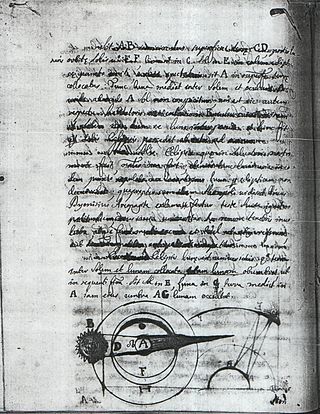
Henry Regnand was a minor Maltese philosopher who specialised mainly in logic and metaphysics.
George Sagnani was a minor Maltese philosopher who specialized mainly in ethics and morals.

Rosarius Mary Hagius (1673–1757) was a minor Maltese philosopher who specialised mainly in metaphysics.
Constance Vella (1687–1759) was a major Maltese philosopher who specialised mainly in physics, logic, cosmology, and metaphysics. Vella's speciality is that, despite being a Scholastic, he was not an Aristotelic-Thomist one, but rather an Aristotelic-Scotist philosopher, that is more in the line of John Duns Scotus.
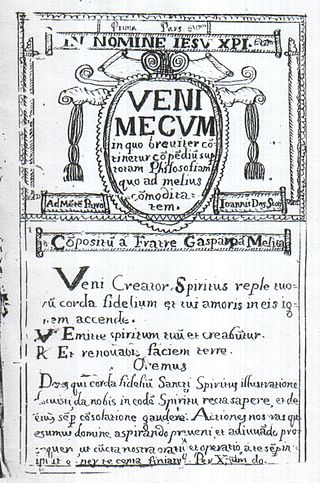
Gasper Grima was a minor Maltese philosopher who specialised mainly in metaphysics and logic.

John Constance Parnis (1695–1735) was a major Maltese mediaeval philosopher who specialised mainly in metaphysics, physics, and logic.

Stefano Pace (1695–1735) was a minor Maltese mediaeval philosopher who specialised mainly in physics.

Joseph Rizzo was a minor Maltese philosopher and theologian who probably specialised in logic.

Fortunatus Victor Costa was a minor Maltese philosopher who specialised in metaphysics.
Jerome Inglott (1776–1835) was a Maltese philosopher and theologian. His areas of specialisation in philosophy were chiefly metaphysics and ontology. He held the Chair of Philosophy at the University of Malta (1822–27), and was one of the Philosopher-Rectors at the same university (1826–33).
Dominic Pace (1851–1907) was a Maltese theologian and minor philosopher. In philosophy he mostly specialised in Aristotelico-Thomist Scholasticism.
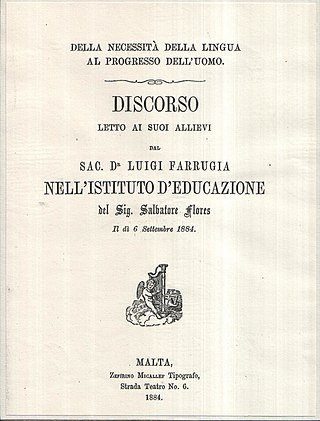
Louis Farrugia (1857–1933) was a Maltese theologian and minor philosopher. In philosophy he was mostly interested in Scholasticism and literature. No portrait of him has been identified up till now.
John Formosa (1869–1941) was a Maltese theologian, canonist, minor philosopher, and poet. In philosophy, he mostly specialised in metaphysics.
Joseph Xerri was a Maltese theologian and minor philosopher. Almost nothing is known about the personal life of Xerri. He might have been a priest. In 1773, Xerri was appointed to the Chair of Philosophy at the University of Malta, the second since its establishment two years earlier, in 1771, by the Grand Master of the Knights Hospitaller, Manuel Pinto da Fonseca. However, Xerri was unfortunate enough to be in office when in that same year the Grand Master of the Knights Hospitaller, Francisco Ximénez de Tejada, brought the activities of the university to a complete stop due to presumed overspending and restrictions in budgetary resources. Xerri was thus made redundant. Five years later, in 1778, when the activities of the university were resumed, and the Chair of Philosophy restored, Xerri was not appointed again. No writings of his, philosophical or otherwise, are known to exist. The same goes for any portrait of him.
Vincent Riolo is a Maltese philosopher mostly interested and specialised in logic and the philosophy of language.
Michael Zammit is a Maltese philosopher, specialised in Ancient and Eastern philosophy.
Joseph Moncada was a Dominican theologian, the first Professor of Philosophy at the University of Malta and Rector of the same university.

