
Carl William Demarest was an American actor, known especially for his roles in screwball comedies by Preston Sturges and as Uncle Charley in the sitcom My Three Sons from 1965-72. Demarest, who frequently played crusty but good-hearted roles, was a prolific film and television actor, appearing in over 140 films, beginning in 1926 and ending in the late 1970s. Before his career in movies, he performed in vaudeville for two decades.
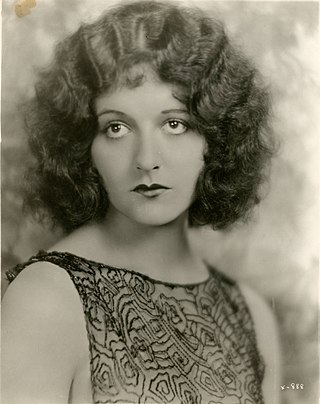
Natalie Kingston was an American actress.
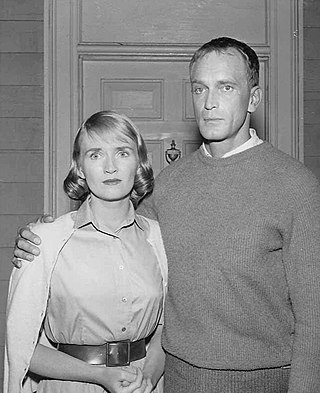
Garrett "Barry" Atwater was an American character actor who appeared frequently on television from the 1950s into the 1970s. He was sometimes credited as G.B. Atwater.
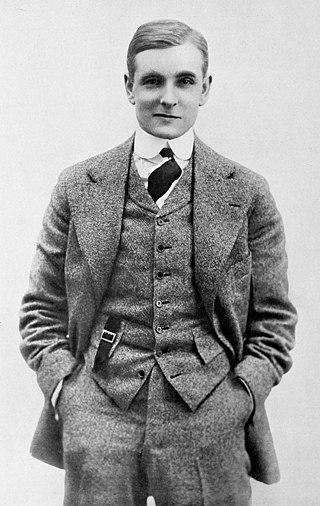
Creighton Hale was an Irish-American theatre, film, and television actor whose career extended more than a half-century, from the early 1900s to the end of the 1950s.

Arthur Edmund Carewe, born Hovsep Hovsepian, was an Armenian-American stage and film actor of the silent and early sound film era.
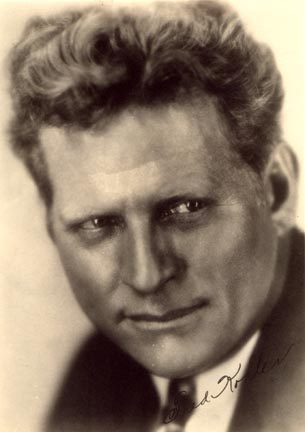
Fredrick Louis Kohler was an American actor.
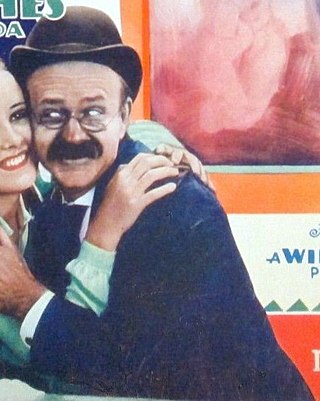
Lucien Littlefield was an American actor who achieved a long career from silent films to the television era. He was noted for his versatility, playing a wide range of roles and already portraying old men before he was of voting age.

George A. Siegmann was an American actor and film director in the silent film era. His work includes roles in notable productions such as The Birth of a Nation (1915), Intolerance (1916), The Three Musketeers (1921), Oliver Twist (1922), The Cat and the Canary (1927), and The Man Who Laughs (1928).

A number of film adaptations of Harriet Beecher Stowe's 1852 novel Uncle Tom's Cabin have been made over the years. Most of these movies were created during the silent film era. Since the 1930s, Hollywood studios have considered the story too controversial for another adaptation. Characters, themes and plot elements from Uncle Tom's Cabin have also influenced a large number of other movies, including The Birth of a Nation (1915), while also inspiring numerous animated cartoons.

Eldon Raymond McKee, also credited as Roy McKee, was an American stage and screen actor. His film debut was in the 1912 production The Lovers' Signal. Over the next 23 years, he performed in no less than 172 additional films.
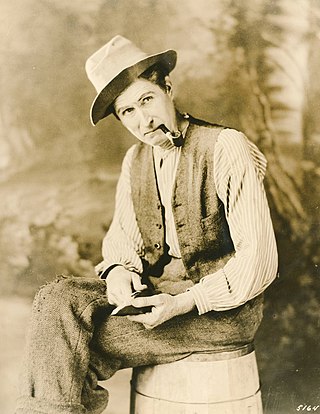
Russell McCaskill Simpson was an American character actor.

Tom Wilson was an American film actor.

Lloyd Whitlock was a prolific American actor who began working during Hollywood's silent era. Born in 1891, he appeared in nearly 200 films between 1916 and 1949. Distinguished by his height and stature, he became especially known for playing heavies in B-movie westerns.

Uncle Tom's Cabin is a 1927 American synchronized sound drama film directed by Harry A. Pollard and released by Universal Pictures. While the film has no audible dialog, it was released with a synchronized musical score with sound effects using the Western Electric sound-on-film process. The film is based on the 1852 novel Uncle Tom's Cabin by Harriet Beecher Stowe and was the last version filmed without audible dialogue. This film is important historically as being Universal's first sound feature.

J. W. Johnston was an Irish American stage and film actor who started as a supporting actor and, briefly, leading man in the 1910s and early 1920s, continued as a character performer from the mid-1920s, and ended as an unbilled bit player during the 1930s and 1940s. He was also an early member of Cecil B. DeMille's repertory company of actors, appearing in five of the director's features released between July and December 1914. Although J. W. Johnston was his most frequent billing, other appellations included J. W. Johnson, Jack W. Johnson, Jack Johnson, F. W. Johnston, John W. Johnston, Jack Johnston, Jack W. Johnston and Jack Johnstone.
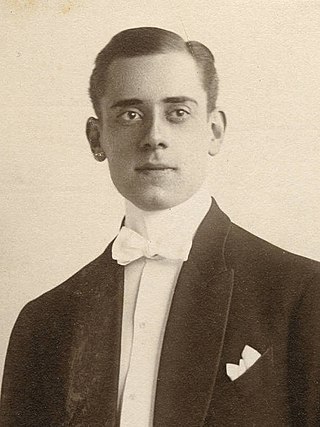
Samuel B. Hardy was an American stage and film actor who appeared in feature films during the silent and early sound eras.
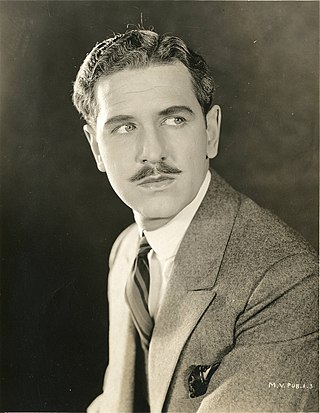
John Roche was an American actor of the stage and screen.

Aileen Manning was an American film actress.
Nathan Curry was an American actor. He was a supporting actor in several films featuring African American casts. Curry had prominent parts in silent films but was not given screen credit. He was one of the featured players of Black Hollywood.

Hannah Washington was a former child actor who was active in Hollywood during the 1920s and 1930s. A fixture in short comedies — often as a character named Oatmeal — she was one of the few Black child actors in movies at the time. She also had roles in 1927's Uncle Tom's Cabin, 1933's King Kong, and 1935's The Littlest Rebel, where she appeared alongside Shirley Temple.


