History
Origins
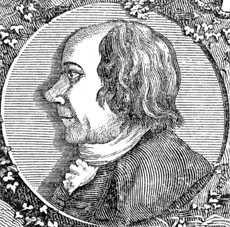
The eighteenth century saw much change to Welsh society and Welsh culture. As such, Welsh radicals such as William Jones actively attempted to revive and record the dance traditions of their own areas. Jones assiduously interviewed the elderly folk around the community of Llangadfan and was also a notable antiquary and authority on manuscripts. Among Jones' collaborators in this work was his own father, William Sion Dafydd who recalled the dances he had learned in his own youth during the sixteenth century. Through this work, Jones rediscovered numerous dances together with the ancient airs, melodies and stanzas that accompanied them. [1] [2]
20th Century revival
The Dances were the subject of academic analysis in the early twentieth century, being republished in works by Hugh Mellor and W.S. Gwynn Williams. In 1936, W.S. Gwynn Williams published another work with Lois Balke. "The Llangadfan Dances" proved highly influential during the revival of interest in Welsh dance during the mid-twentieth century, and it is by this name that the corpus of William Jones' work has come to be known. [3] A second edition of "The Llangadfan Dances" was published in 1954, which expanded on the original work and corrected a number of errors. [4]