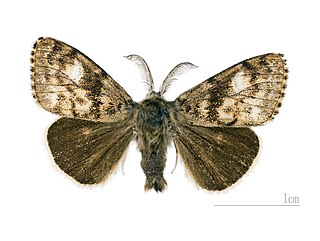
Trichaetoides is a genus of moths in the family Erebidae.
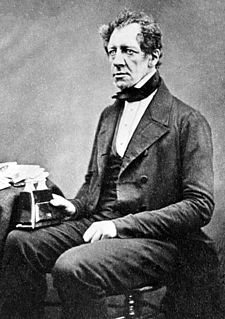
Necyopa is a genus of moths in the family Geometridae erected by Francis Walker in 1861.
Brunia apicalis is a moth of the family Erebidae. It was described by Francis Walker in 1862. It is found on Borneo. The habitat consists of forests, ranging from lowlands to 1,200 meters.

Cyana conclusa is a moth of the subfamily Arctiinae. It was described by Francis Walker in 1862. It is found on Borneo and Sumatra. The habitat consists of lowland forest types, excluding heath forests.
Lambula fuliginosa is a moth of the family Erebidae. It was described by Francis Walker in 1862. It is found on Borneo. The habitat consists of montane forests, dipterocarp forests and lowland forests.
Poliosia muricolor is a moth in the family Erebidae. It was described by Francis Walker in 1862. It is found on Borneo and in Singapore and India. The habitat consists of lowland forests.
Trichaetoides divisura is a moth in the family Erebidae. It is found on Borneo and Sumatra.
Tampea reversa is a moth in the subfamily Arctiinae. It was described by Francis Walker in 1862. It is found on Borneo and Java. The habitat consists of lowland areas and lower montane forests.
Teulisna chiloides is a moth in the family Erebidae. It was described by Francis Walker in 1862. It is found on Peninsular Malaysia, Sumatra, Borneo, Sulawesi and Sumbawa. It has also been recorded from Queensland. The habitat consists of lowland dipterocarp forests, alluvial forests and lower montane forests.
Teulisna nebulosa is a moth in the family Erebidae. It was described by Francis Walker in 1862. It is found on Peninsular Malaysia and Borneo. The habitat consists of lower montane forests.
Teulisna plagiata is a moth in the family Erebidae. It was described by Francis Walker in 1862. It is found on Borneo. The habitat consists of lower montane forests.
Tigrioides leucanioides is a moth in the family Erebidae. It was described by Francis Walker in 1862. It is found in southern Myanmar and on Peninsular Malaysia, Sumatra and Borneo. The habitat consists of lower montane forests and lowland forests, including alluvial forests.
Trichaetoides albiplaga is a moth in the family Erebidae. It was described by Francis Walker in 1862. It is found on Borneo, Peninsular Malaysia and in Thailand. The habitat consists of both lowland and mountainous areas.
Trichaetoides apicalis is a moth in the family Erebidae. It was described by Francis Walker in 1856. It is found on Sumatra and Borneo.
Trichaetoides borealis is a moth in the family Erebidae. It was described by Rothschild in 1912. It is found on Borneo. The habitat consists of dry and wet heath forests and possibly swamp forests.
Trichaetoides chloroleuca is a moth in the family Erebidae. It was described by Francis Walker in 1859. It is found on Borneo, Sumatra, Peninsular Malaysia and in Singapore. It is mostly found in lowland localities.
Utetheisa abraxoides is a moth in the family Erebidae. It was described by Francis Walker in 1862. It is found on Borneo. The habitat consists of upper montane forests.
Ocinara albicollis is a moth in the Bombycidae family. It was described by Francis Walker in 1862. It is found in Kenya, China, Thailand, Malaysia, India, Sri Lanka and on Sumatra, Java and Borneo. The habitat consists of lower and upper montane forests, but it has also been recorded in the lowlands.
Ocinara albiceps is a moth in the Bombycidae family. It was described by Francis Walker in 1862. It is found in Sundaland. The habitat consists of lowland areas, especially alluvial forests, as well as the lower montane zone.
The Syntomini are a tribe of moths in the family Erebidae.