Senate elections were held in Greece on 21 April 1929. The Senate was a new institution introduced with the Greek Constitution of 1927 and these were the first elections for it. The result was a victory for the Liberal Party, which won 64 of the 92 seats. It was regarded as a public approval of the policies of Prime Minister Eleftherios Venizelos.

Parliamentary elections were held in Poland on 8 September 1935, with Senate elections held a week later on 15 September. They were held under the April Constitution, drawn up earlier in 1935 by the Sanation movement, which structured the election rules in its favor. In protest, the election was boycotted by opposition factions, and voter turnout was only 45.9%, the lowest in the history of the Second Republic.

A constitutional referendum was held in France on 5 May 1946. Voters were asked whether they approved of a new draft Constitution proposed by the Constituent Assembly elected in 1945.
A constitutional referendum was held in France on 13 October 1946. Voters were asked whether they approved of a new constitution proposed by the Constituent Assembly elected in June. Unlike the May referendum, which saw a previous constitutional proposal rejected, the new constitution was accepted by 53.2% of voters, and brought the French Fourth Republic into existence. Voter turnout was 67.6%.
Constitutional Assembly elections were held in Bulgaria on 10 June 1990, with a second round for eighteen seats on 17 June. They were the first elections held since the fall of Communism the previous winter, and the first free national elections since 1931. The elections were held to elect the 7th Grand National Assembly, tasked with adopting a new (democratic) constitution. The new electoral system was changed from 400 single-member constituencies used during the Communist era to a split system whereby half were elected in single member constituencies and half by proportional representation. The result was a victory for the Bulgarian Socialist Party, the freshly renamed Communist Party, which won 211 of the 400 seats. Voter turnout was 90.3%.
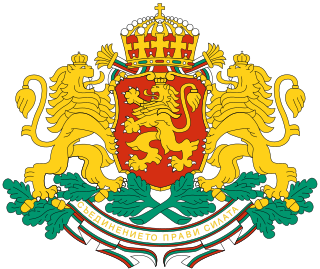
Constituent Assembly elections were held in Bulgaria between 1 and 30 January 1879, although only 117 of the 231 members of the Assembly were elected during this period. It followed the country's liberation from the Ottoman Empire, and saw the Conservative Party and the Liberal Party emerge as the two main parties. The Assembly was opened on 10 February, and convened in Veliko Tarnovo to ratify the country's first constitution, known as the Tarnovo Constitution, on 16 April. The parliament was later transferred to Sofia, which became the capital of the country.
A constitutional referendum was held in Poland on 25 May 1997. Voters were asked whether they approved of a new constitution. It was narrowly approved, with 53.5% voting in favour. Voter turnout was just 42.9%. Although the 1995 Referendum Act stated that a 50% turnout was required to validate the referendum, the Supreme Court ruled on 15 July that the constitution could be introduced.
Elections for the Constituent Assembly were held in Denmark on 5 October 1848. Of the 158 seats in the Assembly, 114 were elected and 44 appointed by the King. An additional 31 candidates were to come from the Duchy of Schleswig but were not elected due to the First Schleswig War.
Parliamentary elections were held in Greece on 16 December 1843. The elected body was also tasked with drawing up a constitution, following the 3 September 1843 Revolution. The Three-Party Coalition won almost half the seats in the 243-seat Chamber.
Parliamentary elections were held in Greece between 24 and 27 November 1862. The elected Parliament was also responsible for drawing up a new constitution. Dimitrios Voulgaris became Prime Minister on 23 December as head of the Provisional Government.

General elections were held in Liechtenstein on 5 February 1922, with a second round on 16 February. They were the first elections held under the 1921 constitution, which resulted in some changes to the electoral system. The result was a victory for the opposition Christian-Social People's Party, which won 11 of the 15 seats.
General elections were held in Luxembourg on 28 September 1848. They were the first direct elections to the Chamber of Deputies. Doctrinaire Liberals, who had been in power since 1841, lost the election to progressive Liberals and Catholics who were supportive of the new constitution.

A constitutional referendum was held in Romania on 8 December 1991. The new constitution was approved by 79.1% of voters.
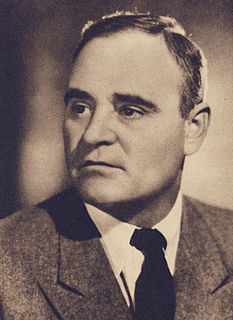
Parliamentary elections were held in Romania on 30 November 1952. They were the second held under undisguised Communist rule, and the first under a constitution adopted that September. Voters were presented with a single slate of candidates from the People's Democratic Front, which was dominated by the Romanian Workers Party. The Front won all 428 seats in the Great National Assembly. This election set the tone for all elections held in Romania until 1989. For the remainder of the Communist era, voters only had the choice of approving or rejecting a Communist-dominated list.
A constitutional referendum was held in Switzerland on 6 June 1848. The new constitution was approved by 72.8% of voters and a majority of cantons.
A constitutional referendum was held in Switzerland on 12 May 1872. The new constitution was rejected by 50.5% of voters and a majority of cantons.
A constitutional referendum was held in Switzerland on 19 April 1874. The new constitution was approved by 63.2% of voters and a majority of cantons. It gave more responsibilities and powers to the federal government.
Folketing elections were held in Denmark on 12 October 1866, following the introduction of a new constitution. The National Liberal Party and the National Left emerged as the largest factions, winning 20 seats each. Christian Emil Krag-Juel-Vind-Frijs remained Prime Minister.
Four referendums were held in Switzerland during 1957. The first two were held on 3 March on a federal resolutions on introducing two new articles to the federal constitution; 22bis concerning civil protection and 36bis on radio and television. Both were rejected. The third and fourth were held on 24 November on introducing another article to the constitution and a federal resolution on prolonging the federal breadstuffs law. Both were approved.
Folketing elections were held in Denmark on 14 June 1855 in order to approve amendments to the constitution. Peter Georg Bang remained Prime Minister following the elections.