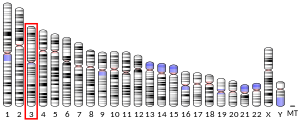
Succinate dehydrogenase complex subunit C, also known as succinate dehydrogenase cytochrome b560 subunit, mitochondrial, is a protein that in humans is encoded by the SDHC gene. This gene encodes one of four nuclear-encoded subunits that comprise succinate dehydrogenase, also known as mitochondrial complex II, a key enzyme complex of the tricarboxylic acid cycle and aerobic respiratory chains of mitochondria. The encoded protein is one of two integral membrane proteins that anchor other subunits of the complex, which form the catalytic core, to the inner mitochondrial membrane. There are several related pseudogenes for this gene on different chromosomes. Mutations in this gene have been associated with pheochromocytomas and paragangliomas. Alternatively spliced transcript variants have been described.

Aquaporin-2 (AQP-2) is found in the apical cell membranes of the kidney's collecting duct principal cells and in intracellular vesicles located throughout the cell. It is encoded by the AQP2 gene.

Thiamine transporter 1, also known as thiamine carrier 1 (TC1) or solute carrier family 19 member 2 (SLC19A2) is a protein that in humans is encoded by the SLC19A2 gene. SLC19A2 is a thiamine transporter. Mutations in this gene cause thiamine-responsive megaloblastic anemia syndrome (TRMA), which is an autosomal recessive disorder characterized by diabetes mellitus, megaloblastic anemia and sensorineural deafness.

Multidrug resistance-associated protein 2 (MRP2) also called canalicular multispecific organic anion transporter 1 (cMOAT) or ATP-binding cassette sub-family C member 2 (ABCC2) is a protein that in humans is encoded by the ABCC2 gene.
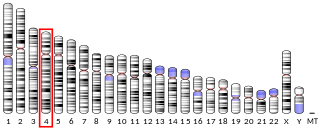
Electrogenic sodium bicarbonate cotransporter 1, sodium bicarbonate cotransporter is a membrane transport protein that in humans is encoded by the SLC4A4 gene.

Transcription factor E3 is a protein that in humans is encoded by the TFE3 gene.

Solute carrier family 22, member 4, also known as SLC22A4, is a human gene; the encoded protein is known as the ergothioneine transporter.
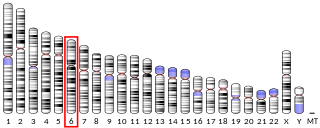
Solute carrier family 22 member 1 is a protein that in humans is encoded by the gene SLC22A1.

Rh family, C glycoprotein, also known as RHCG, is a protein that in humans is encoded by the RHCG gene.

Solute carrier family 22, member 12, also known as SLC22A12 and URAT1, is a protein which in humans is encoded by the SLC22A12 gene.
Proline-rich protein PRCC is a protein that, in humans, is encoded by the PRCC gene.
AP-3 complex subunit sigma-1 is a protein that in humans is encoded by the AP3S1 gene.

Cadherin-8 is a protein that in humans is encoded by the CDH8 gene.
TAP2 is a gene in humans that encodes the protein Antigen peptide transporter 2.
Tyrosine-protein kinase-like 7 also known as colon carcinoma kinase 4 (CCK4) is a receptor tyrosine kinase that in humans is encoded by the PTK7 gene.

Wnt7b is a signaling protein that plays a crucial role for many developmental processes including placental, lung, eye, dendrite, and bone formation along with kidney development. The primary role of Wnt7b is to establish the cortico-medullary axis of epithelial organization.
Solute carrier family 17, member 3 is a protein that in humans is encoded by the SLC17A3 gene.
Aquaporin-6, (AQP-6) also known as kidney-specific aquaporin is a protein in humans that is encoded by the AQP6 gene.

Acetyl-coenzyme A transporter 1 also known as solute carrier family 33 member 1 (SLC33A1) is a protein that in humans is encoded by the SLC33A1 gene.
A Heme transporter is a protein which delivers heme to the various parts of a biological cell that require it. Heme is a major source of dietary iron in humans and other mammals, and its synthesis in the body is well understood, however heme pathways are not as well understood. It is likely that heme is tightly regulated for two reasons: the toxic nature of iron in cells, and the lack of a regulated excretory system for excess iron. Understanding heme pathways is therefore important in understanding diseases such as hemachromatosis and anemia.