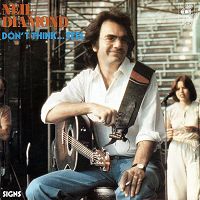
"Ain't Nothing Like the Real Thing" is a 1968 single released by American R&B/soul duo Marvin Gaye and Tammi Terrell, on the Tamla label in 1968. The B-side of the single is "Little Ole Boy, Little Ole Girl" from the duo's United LP. The first release off the duo's second album: You're All I Need, the song—written and produced by regular Gaye/Terrell collaborators Ashford & Simpson—became a hit within weeks of release eventually peaking at number eight on the US Billboard Hot 100 and number one on the Hot Soul Singles chart, the first of the duo's two number-one R&B hits. In the UK "Ain't Nothing Like the Real Thing" reached number 34.
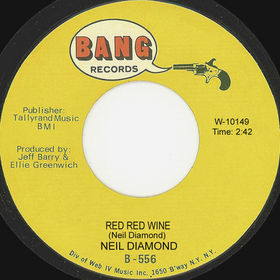
"Red Red Wine" is a song originally written, performed and recorded by American singer Neil Diamond in 1967 that appears on his second studio album, Just for You. The lyrics are written from the perspective of a person who finds that drinking red wine is the only way to forget his woes.

Loggins and Messina was an American pop rock duo consisting of Kenny Loggins and Jim Messina, who achieved major chart success during the early-mid 1970s. Among their well-known songs are "Danny's Song", "House at Pooh Corner", and "Your Mama Don't Dance". After selling more than 16 million records and becoming one of the leading musical duos of the 1970s, Loggins and Messina separated in 1976. Although Messina would find only limited popularity following the breakup, Loggins went on to achieve major chart success in the 1980s. In 2005 and again in 2009, Loggins and Messina reformed for tours in the United States.
"Don't Turn Around" is a popular song written by Albert Hammond and Diane Warren. It was originally recorded by American singer Tina Turner and released as the B-side to her 1986 hit single "Typical Male". It has since been included on Turner's compilation album The Collected Recordings: Sixties to Nineties (1994), as well as featuring in the Tina musical since 2018.

Tap Root Manuscript is the sixth studio album recorded by Neil Diamond, released in October 1970. It was one of the most experimental albums he ever recorded, featuring rock music fused with prominent African sounds and instruments. The album was a commercial success, going Gold in three months, eventually certified Platinum by the RIAA. The album's success was powered primarily by "Cracklin' Rosie", his first number 1 single, with help from Diamond's cover of "He Ain't Heavy, He's My Brother", which rose to number 20. The latter song had been a major hit for the Hollies the previous year.

"You Don't Bring Me Flowers" is a song written by Neil Diamond with Alan and Marilyn Bergman for the daily TV sitcom All That Glitters. The song was intended to be the theme song, but Norman Lear, the show's creator, changed the concept of the show and the song was no longer appropriate. Diamond then expanded the track from 45 seconds to 3:17, adding instrumental sections and an additional verse. The Bergmans contributed to the song's lyrics, which tell the story of two lovers who have drifted apart while they "go through the motions" and heartache of life together.

"America" is a song written and originally recorded by Neil Diamond, released in 1980 on the soundtrack album of Diamond's film The Jazz Singer. The song was a hit single in the United States in 1981, reaching number eight on the Billboard Hot 100, and was Diamond's sixth number one on the Adult Contemporary chart. Billboard also rated it the #62 pop single overall for 1981. Although the single version was a studio recording, overdubs of crowd cheering simulate the feel of a live performance.

"Locomotive Breath" is a song by British progressive rock band Jethro Tull from their 1971 album, Aqualung.

"Play Me" is a 1972 song by Neil Diamond from his album Moods. The song, the first single from Moods, was recorded in February 1972 in Los Angeles. It was released as a single in May 1972 and peaked at #11 in the United States in September of that year. It was listed by Billboard as #27 of his best 30 songs.

"Another Rainy Day in New York City" is a song written by Robert Lamm for the group Chicago and recorded for their album Chicago X (1976). Described as "the only typical Chicago cut on the album[:] upbeat and light with good blending of lead vocal by [Peter] Cetera", the track would be the album's lead single but was largely passed over for radio airplay in favor of the album cut "If You Leave Me Now". Rush-released as a single, "If You Leave Me Now" debuted on the Billboard Hot 100 of 14 August 1976 at No. 60 - on its way to No. 1 - and immediately eclipsed "Another Rainy Day..." which on the same chart fell to No. 46 from its No. 32 peak. "Another Rainy Day..." peaked at No. 2 on the Billboard Adult Contemporary chart.
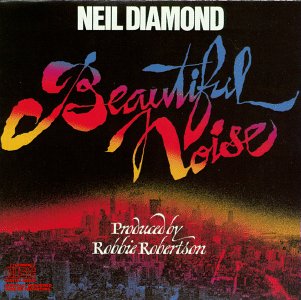
Beautiful Noise is the tenth album by American singer-songwriter Neil Diamond, released in 1976. Diamond's third album with Columbia Records, it was produced by Robbie Robertson, known for his work with The Band. Garth Hudson of The Band also contributed organ to several songs on the album. Diamond performed the album track "Dry Your Eyes" with The Band at their farewell show The Last Waltz, which was filmed by director Martin Scorsese and made into a 1978 documentary of the same title.
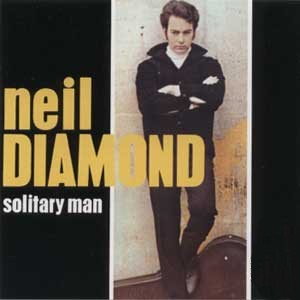
"Solitary Man" is a song written by American musician Neil Diamond, who recorded the song for Bang Records in late January 1966. It has since been covered many times, notably by T. G. Sheppard, Gianni Morandi, Chris Isaak, Johnny Cash and HIM.

"Lotta Love" is a song written and recorded by Neil Young and released on his 1978 Comes a Time album. "Lotta Love" was also covered by Nicolette Larson in 1978. Larson's version reached No. 8 on the Billboard Hot 100 chart and No. 8 on the Cash Box Top 100 in February 1979. It also hit No. 1 on the Easy Listening chart and was a hit in Canada,, Australia and New Zealand.

"Song Sung Blue" is a 1972 hit song written and recorded by Neil Diamond, inspired by the second movement of Mozart's Piano Concerto #21. It was released on Diamond's album Moods, and later appeared on many of Diamond's live and compilation albums. The song was a #1 hit on the Billboard Hot 100 chart in the United States for one week, the week of July 1, and it spent twelve weeks in the Top 40. It also reached #14 on the UK Singles Chart.

"Forever in Blue Jeans" is a song by Neil Diamond which he co-wrote with his guitarist Richard Bennett. The up-tempo track was released as a single by Columbia in February 1979, having featured on Diamond's album You Don't Bring Me Flowers which was released the previous year. Diamond said about the song: "the simple things are really the important things". It peaked at #20 on the Billboard Hot 100 chart and #2 on the Easy Listening chart in March 1979.
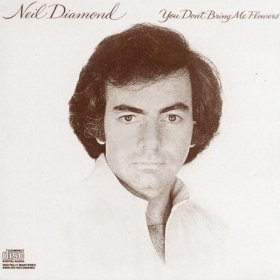
You Don't Bring Me Flowers is Neil Diamond's twelfth studio album. It was released in 1978 to capitalize on the success of the title song of the same name, a duet with Barbra Streisand, which had originally appeared as a solo recording on Diamond's previous album, I'm Glad You're Here with Me Tonight.
"I Am... I Said" is a song written and recorded by Neil Diamond. Released as a single on March 15, 1971, it was quite successful, at first slowly climbing the charts and then more quickly rising to number 4 on the U.S. pop singles chart by May 1971. It fared similarly across the Atlantic, reaching number 4 on the UK pop singles chart as well.

"Until It's Time for You to Go" is a song from the 1965 album Many a Mile by American singer-songwriter Buffy Sainte-Marie. Sainte-Marie included a French-language reworking of the song, "T'es pas un autre", on her 1967 album Fire & Fleet & Candlelight. French translation was made by Quebecer songwriter Claude Gauthier.

"If You Know What I Mean" is a song written and recorded by Neil Diamond. It is a track from Diamond's 1976 album, Beautiful Noise, and was his third number 1 on the Easy Listening chart, where it spent two weeks. "If You Know What I Mean" went to number 1 for two nonconsecutive weeks and peaked at number 11 on the Billboard Hot 100. In Canada, the song reached number 19 on the pop singles chart and hit number 1 on the Adult Contemporary chart.

"Brother Love's Travelling Salvation Show" is a song written and recorded by Neil Diamond which appeared as the opening track on the eponymous album. Released as a single in early 1969, it hit number 22 on the U.S. pop singles chart and number 9 in Canada.