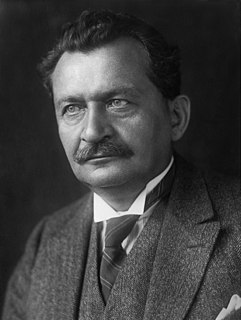
Federal elections were held in Germany on 7 December 1924, the second that year. The Reichstag had been dissolved on 20 October 1924. The Social Democratic Party remained the largest party in the Reichstag with an increased share of the vote, winning 131 of the 493 seats. Voter turnout was 78.8%.
Federal elections were held in Germany on 4 May 1924. The Reichstag had been dissolved on 13 March 1924. The Social Democratic Party remained the largest party in the Reichstag after winning 100 of the 472 seats. Voter turnout was 77.4%.
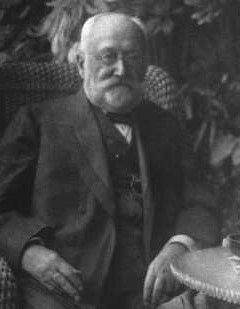
Federal elections were held in Germany on 25 January 1907. Despite the Social Democratic Party (SPD) receiving a clear plurality of votes, they were hampered by the unequal constituency sizes that favoured rural seats. As a result, the Centre Party remained the largest party in the Reichstag after winning 105 of the 397 seats, whilst the SPD won only 43. Voter turnout was 84.7%.

General elections were held in Luxembourg on 18 June 1989. The Christian Social People's Party remained the largest party, winning 22 of the 60 seats in the Chamber of Deputies. It continued the coalition government with the Luxembourg Socialist Workers' Party.

Folketing elections were held in Denmark on 28 October 1947, except in the Faroe Islands where they were held on 18 February 1948. The Social Democratic Party remained the largest in the Folketing, with 57 of the 150 seats. Voter turnout was 85.8% in Denmark proper and 60.1% in the Faroes.
Parliamentary elections were held in Iceland on 25 April 1987. The Independence Party remained the largest party in the Lower House of the Althing, winning 12 of the 42 seats.
Parliamentary elections were held in Bulgaria on 18 November 1945, the country's first to feature universal suffrage for women. The Bulgarian Agrarian National Union and the Bulgarian Communist Party both won 94 seats. Voter turnout was 84.8%.
Elections to the Supreme Soviet were held in the Soviet Union on 12 March 1950.

Parliamentary elections were held in Greece on 7 February 1899. Although Charilaos Trikoupis died in 1896, his supporters emerged as the largest bloc in Parliament, with 110 of the 235 seats, Georgios Theotokis, his successor as a leader of the New Party became Prime Minister after the election.

Parliamentary elections were held in Hungary between 31 March and 7 April 1935. The result was a victory for the Party of National Unity, which won 164 of the 245 seats in Parliament. Gyula Gömbös remained Prime Minister.
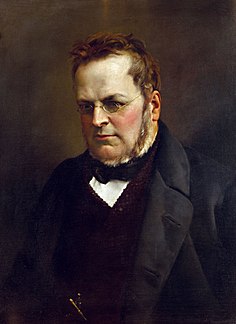
General elections were held in Italy on 27 January 1861, with a second round on 3 February. The newly elected Parliament first convened in Turin on 4 March 1861, where, thirteen days later, it declared the unification of the country as the Kingdom of Italy.

General elections were held in Italy on 23 May 1886, with a second round of voting on 30 May. The "ministerial" left-wing bloc emerged as the largest in Parliament, winning 292 of the 508 seats. As in 1882, the election was held using small multi-member constituencies with between two and five seats.

General elections were held in Portugal on 28 April 1918, following a coup by Sidónio Pais in December 1917. The elections were boycotted by the Democratic Party, the Evolutionist Party and the Republican Union, who had won over 90% of the seats in the 1915 elections.

Parliamentary elections were held in Portugal on 1 November 1942. The country was a one-party state at the time and the National Union was the only party to contest the elections, with no opposition candidates allowed to run.
A constitutional referendum was held in Switzerland on 19 April 1874. The new constitution was approved by 63.2% of voters and a majority of cantons. It gave more responsibilities and powers to the federal government.
Folketing elections were held in Denmark on 7 June 1864. The National Liberal Party emerged as the largest faction, winning 40 of the 101 seats. Following the elections, Christian Albrecht Bluhme became Prime Minister on 7 July.
The United Labour Social Democratic Party was a political party in Bulgaria.
Folketing elections were held in Denmark on 14 June 1855 in order to approve amendments to the constitution. Peter Georg Bang remained Prime Minister following the elections.
Folketing elections were held in Denmark on 14 June 1858. Carl Christian Hall remained Prime Minister following the elections.
Folketing elections were held in Denmark on 14 June 1861. Carl Christian Hall remained Prime Minister following the elections.


