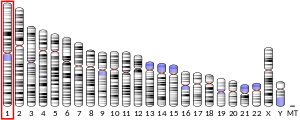
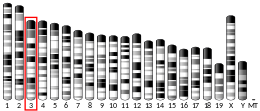
Glucose transporter 2 (GLUT2) also known as solute carrier family 2, member 2 (SLC2A2) is a transmembrane carrier protein that enables protein facilitated glucose movement across cell membranes. It is the principal transporter for transfer of glucose between liver and blood Unlike GLUT4, it does not rely on insulin for facilitated diffusion.

Glucose transporters are a wide group of membrane proteins that facilitate the transport of glucose across the plasma membrane, a process known as facilitated diffusion. Because glucose is a vital source of energy for all life, these transporters are present in all phyla. The GLUT or SLC2A family are a protein family that is found in most mammalian cells. 14 GLUTS are encoded by human genome. GLUT is a type of uniporter transporter protein.

Excitatory amino-acid transporter 4 (EAAT4) is a protein that in humans is encoded by the SLC1A6 gene.

Zinc transporter 8 (ZNT8) is a protein that in humans is encoded by the SLC30A8 gene. ZNT8 is a zinc transporter related to insulin secretion in humans. Certain alleles of the SLC30A8 gene may increase the risk for developing type 2 diabetes, but a loss-of-function mutation appears to greatly reduce the risk of diabetes.

Sodium/glucose cotransporter 1 (SGLT1) also known as solute carrier family 5 member 1 is a protein in humans that is encoded by the SLC5A1 gene which encodes the production of the SGLT1 protein to line the absorptive cells in the small intestine and the epithelial cells of the kidney tubules of the nephron for the purpose of glucose uptake into cells. Through the use of the sodium glucose cotransporter 1 protein, cells are able to obtain glucose which is further utilized to make and store energy for the cell.

4F2 cell-surface antigen heavy chain is a protein that in humans is encoded by the SLC3A2 gene.
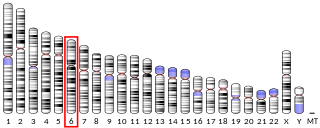
Sialin, also known as H(+)/nitrate cotransporter and H(+)/sialic acid cotransporter, is a protein which in humans is encoded by the SLC17A5 gene.

Y+L amino acid transporter 1 is a protein that in humans is encoded by the SLC7A7 gene.
Zinc transporter SLC39A7 (ZIP7), also known as solute carrier family 39 member 7, is a protein that in humans is encoded by the SLC39A7 gene. Its fruit fly orthologue is Catsup.
Solute carrier family 2, facilitated glucose transporter member 12 is a protein that in humans is encoded by the SLC2A12 gene.

Solute carrier family 2, facilitated glucose transporter member 6 is a protein that in humans is encoded by the SLC2A6 gene.

Vesicular inhibitory amino acid transporter is a protein that in humans is encoded by the SLC32A1 gene.
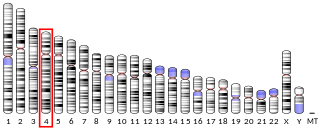
Solute carrier family 2, facilitated glucose transporter member 9 is a protein that in humans is encoded by the SLC2A9 gene.

Solute carrier family 2, facilitated glucose transporter member 7 also known as glucose transporter 7 (GLUT7) is a protein that in humans is encoded by the SLC2A7 gene.
The low affinity sodium-glucose cotransporter also known as the sodium/glucose cotransporter 3 (SGLT3) or solute carrier family 5 member 4 (SLC5A4) is a protein that in humans is encoded by the SLC5A4 gene. It functions as a sugar sensor.
Solute carrier family 2, facilitated glucose transporter member 11 (SLC2A11) also known as glucose transporter type 10/11 (GLUT-10/11) is a protein that in humans is encoded by the SLC2A11 gene.

Calcium-binding mitochondrial carrier protein SCaMC-1 is a protein that in humans is encoded by the SLC25A24 gene.

Glucose-6-phosphate exchanger SLC37A2 is a protein that in humans is encoded by the SLC37A2 gene.
The SWEET family, also known as the PQ-loop, Saliva or MtN3 family, is a family of sugar transporters and a member of the TOG superfamily. The proteins of the SWEET family have been found in plants, animals, protozoans, and bacteria. Eukaryotic family members have 7 transmembrane segments (TMSs) in a 3+1+3 repeat arrangement.

Glucose-6-phosphate exchanger SLC37A1 is a protein that in humans is encoded by the SLC37A1 gene. SLC37A1 locates to the membrane of the endoplasmic reticulum (ER), and is a glucose 6-phosphate:inorganic phosphate antiporter, transporting glucose 6-phosphate from the cytoplasm into the lumen of the ER, while transporting phosphate in the opposite direction.