
A daylily, day lily or ditch-lily is a flowering plant in the genus Hemerocallis, a member of the family Asphodelaceae, subfamily Hemerocallidoideae, native to Asia. Despite the common name, it is not, in fact, a lily, nor does it specifically grow in ditches. Gardening enthusiasts and horticulturists have long bred Hemerocallis species for their attractive flowers; a select few species of the genus have edible petals, while some are extremely toxic. Thousands of cultivars have been registered by the American Daylily Society, the only internationally recognized registrant according to the International Code of Nomenclature for Cultivated Plants (ICNCP).. The plants are perennial, bulbous plants, whose common name alludes to its flowers, which typically last about a day.

The Pacific golden plover is a migratory shorebird that breeds during summer in Alaska and Siberia. During nonbreeding season, this medium-sized plover migrates widely across the Pacific.

Amanita fulva, commonly called the tawny grisette or the orange-brown ringless amanita, is a basidiomycete mushroom of the genus Amanita. It is found frequently in deciduous and coniferous forests of Europe, and possibly North America.

Ulmus rubra, the slippery elm, is a species of elm native to eastern North America. Other common names include red elm, gray elm, soft elm, moose elm, and Indian elm.

The cave swallow is a medium-sized, squarish-tailed swallow belonging to the same genus as the more familiar and widespread cliff swallow of North America. The cave swallow, also native to the Americas, nests and roosts primarily in caves and sinkholes.

Hemerocallis fulva, the orange day-lily, tawny daylily, corn lily, tiger daylily, fulvous daylily, ditch lily or Fourth of July lily, is a species of daylily native to Asia. It is very widely grown as an ornamental plant in temperate climates for its showy flowers and ease of cultivation. It is not a true lily in the genus Lilium, but gets its common name from the superficial similarity of its flowers to Lilium and from the fact that each flower lasts only one day.
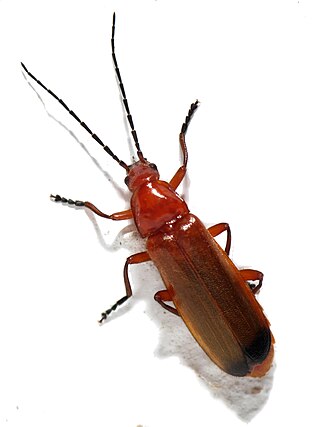
Rhagonycha fulva, the common red soldier beetle, also misleadingly known as the bloodsucker beetle, and popularly known in England as the hogweed bonking beetle is a species of soldier beetle (Cantharidae).

The tawny crazy ant or Rasberry crazy ant, Nylanderia fulva, is an ant originating in South America. Like the longhorn crazy ant, this species is called "crazy ant" because of its quick, unpredictable movements. It is sometimes called the "Rasberry crazy ant" in Texas after the exterminator Tom Rasberry, who noticed that the ants were increasing in numbers in 2002. Scientists have reorganised the genera taxonomy within this clade of ants, and now it is identified as Nylanderia fulva.

Cephalopholis fulva, the coney or the butterfish, is a species of marine ray-finned fish, a grouper from the subfamily Epinephelinae which is in the family Serranidae which also includes the anthias and sea basses. It is found in the western Atlantic. It is associated with reefs and is a quarry species for commercial and recreational fisheries. It can be found in the aquarium trade.
Coenonycha is a genus of May beetles and junebugs in the family Scarabaeidae. There are more than 30 described species in Coenonycha.
Tetraonyx quadrimaculata is a species of blister beetle in the family Meloidae. It is found in the Caribbean Sea and North America.

Mycetina is a genus of handsome fungus beetles in the family Endomychidae. There are about 11 described species in Mycetina.

Xenoglossa is a genus of large squash bees in the family Apidae. There are about 11 described species in Xenoglossa.
Lomamyia fulva is a species of beaded lacewing in the family Berothidae. It is found in North America.
Hulstina imitatrix is a species of geometrid moth in the family Geometridae. It is found in North America.
Sibinia fulva is a species of leguminous seed weevil in the beetle family Curculionidae. It is found in North America.
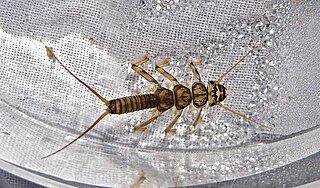
Claassenia is a genus of common stoneflies in the family Perlidae. There are about 12 described species in Claassenia.
Asagena fulva is a species of cobweb spider in the family Theridiidae. It is found in the United States and Mexico.

Aphaenogaster fulva is a species of ant in the family Formicidae.
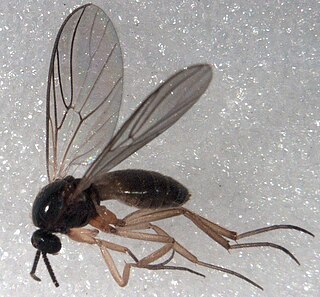
Mycetobia is a genus of wood gnats in the family Anisopodidae. There are more than 20 described species in Mycetobia.

