The Billboard Hot 100 is a chart published since August 1958 by Billboard magazine which ranks the best-performing singles in the United States. [1] In 1964, it was compiled based on a combination of sales and airplay data sourced from surveys of retail outlets and playlists submitted by radio stations respectively, [1] and 23 different singles spent time at number one.
Contents
In the issue of Billboard dated January 4, Bobby Vinton moved into the number-one position with "There! I've Said It Again", displacing the final number one of 1963, "Dominique" by the Singing Nun. [2] The single held the top spot for four weeks before being replaced by "I Want to Hold Your Hand", the first Hot 100 number one for the Beatles. [3] Having released their first single in 1962, [4] the British band had experienced a dramatic surge in popularity, dubbed "Beatlemania", in their native country in 1963. [5] Capitol Records, the label which held the rights to their singles in the United States, initially declined to release them, however, [6] deeming them unsuitable for the U.S. market. [7] In late 1963, following a news report about the group's success in Britain, a prominent U.S. radio DJ obtained and played an imported copy of the group's latest UK single, "I Want to Hold Your Hand". [6] The track's popularity grew rapidly, prompting Capitol to release it in the United States; [7] it was an immediate success and reached number one on the Hot 100 in the issue dated February 1, 1964. [6] [8] It spent seven weeks at number one before being replaced by an older Beatles single, "She Loves You", which had been licensed to a smaller label in the United States the previous year without success when Capitol passed on it. [6] [3] This in turn was replaced in the issue dated April 4 by the group's next Capitol single, [9] "Can't Buy Me Love", which extended the Beatles' run at number one to 14 weeks. In the week that "Can't Buy Me Love" moved into the top spot, the continued success of their preceding two chart-toppers as well as further releases which had been licensed to other labels meant that the Beatles achieved the unprecedented feat of occupying the entire top five. [6]
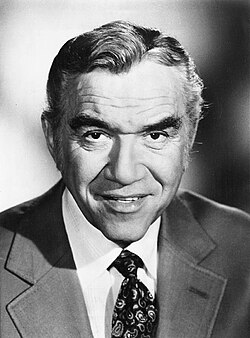
Later in the year, the Beatles topped the Hot 100 with the new singles "A Hard Day's Night" and "I Feel Fine", as well as "Love Me Do", their debut single originally released in the UK in 1962, to give them a total of six chart-toppers during the year. [9] Vinton and the Supremes were the only other acts with more than one number one in 1964. The Beatles' total of 18 weeks in the top spot during 1964 was more than twice the figure achieved by any other act. Their success triggered what was dubbed the British Invasion of the U.S. music scene, [10] and three other British acts, Peter and Gordon, the Animals, and Manfred Mann, topped the Hot 100 during the year. [11] Prior to 1964, there had only been two Hot 100 number ones by British acts: Mr. Acker Bilk and the Tornados, both in 1962. [12] Seven other acts gained their first number-one singles in 1964: Louis Armstrong, Mary Wells, the Dixie Cups, the Beach Boys, the Supremes, the Shangri-Las, and Lorne Greene. [13] Dean Martin topped the Hot 100 for the first time, having previously topped the separate sales and airplay listings which Billboard published prior to the launch of the consolidated chart in 1958. [14] Some of 1964's number ones have been considered among the greatest pop songs ever recorded. In 2024, Rolling Stone magazine ranked "I Want to Hold Your Hand" at number 15 and "She Loves You" at number 135 on its list of the 500 greatest songs of all time, [15] and 1964 chart-toppers by the Animals and the Shangri-Las also featured on the list. [16] [17] "A Hard Day's Night" by the Beatles and "Where Did Our Love Go" by the Supremes had been included on earlier iterations of the list. [18] [19]