Periodically Saudi Arabia s Ministry of Interior publishes a most wanted list. [1] [2] [3] [4] [5] [6] [7] [8] [9] [10] According to Asharq Alawsat Saudi Arabia has published four lists of "most wanted" suspected terrorists, and those lists contained 19, 26, 36 and 85 individuals. [1]
Saudi Arabia, officially the Kingdom of Saudi Arabia, is a country in Western Asia constituting the bulk of the Arabian Peninsula. With a land area of approximately 2,150,000 km2 (830,000 sq mi), Saudi Arabia is the largest sovereign state in the Middle East, geographically the fifth-largest in Asia, second-largest in the Arab world after Algeria and 12th-largest in the world. Saudi Arabia is bordered by Jordan and Iraq to the north, Kuwait to the northeast, Qatar, Bahrain, and the United Arab Emirates to the east, Oman to the southeast and Yemen to the south. It is separated from Israel and Egypt by the Gulf of Aqaba. It is the only nation with both a Red Sea coast and a Persian Gulf coast, and most of its terrain consists of arid desert, lowland and mountains. Saudi Arabia is the largest economy in the Middle East as of October 2018 and the 18th largest in the world. The total number of population of Saudi Arabia is 33.4 million with 50% of youth population are under 25.
The Ministry of Interior is the Interior ministry of Saudi Arabia and is the responsible authority for national security, naturalization, immigration and customs in Saudi Arabia. It was founded in 1951 after the combined ministerial body covering financial and interior affairs were separated.
A most wanted list, maintained by a law enforcement agency, is a list of criminals and alleged criminals who are believed to be at large and are identified as the agency's highest priority for capture. The list can alert the public to be watchful, and generates publicity for the agency.
The list of 85 most wanted suspected terrorists published in February 2009 named eleven former Guantanamo captives. [11]
On May 7, 2003, the Saudi Interior Ministry announced a list of 19 names who it said were planning to carry out subversive activities. [12] On May 12, 2003 Riyadh compound bombings took place.
Two major bombings took place in residential compounds in Riyadh, Saudi Arabia in 2003. On 12 May 2003, 39 people were killed, and over 160 wounded when bombs went off at three compounds in Riyadh—Dorrat Al Jadawel, Al Hamra Oasis Village, and the Vinnell Corporation Compound. On 8 November, a bomb was detonated outside the Al-Mohaya housing compound west of Riyadh, killing at least 17 people and wounding 122.
| English | Arabic | ||
|---|---|---|---|
| 1 | Turki Nasir Al-Dandani | تركي ناصر الدندني | died by suicide July 2003 in al-Jawf [13] [14] |
| 2 | Ali A. Al-Ghamdi | علي عبد الرحمن الفقعسي الغامدي | surrendered 26 June 2003 [15] |
| 3 | Khalid al-Juhani | خالد محمد الجهني | one of twelve dead perpetrators of the Riyadh compound bombings. [16] |
| 4 | Saleh M. al-Oufi | صالح محمد عوض الله العلوي العوفي | became the leader after al-Muqrin death, killed 17 or 18 August 2005 in Madinah [17] |
| 5 | Abdel Aziz al-Muqrin | عبد العزيز عيسى المقرن | became the leader after Al-'Uyayri death, killed in Riyadh 18 June 2004 [18] [19] |
| 6 | Abdulrahman M. Yazji | عبدالرحمن محمد يازجي | killed 6 April 2005 [20] |
| 7 | Hani S. Al-Ghamdi | هاني سعيد الغامدي | [21] |
| 8 | Mohammed O. Al-Waleedi Al-Shihri | محمد عثمان الوليدي الشهري | [14] |
| 9 | Rakan M. Al-Saikhan | راكان محسن الصيخان | killed 12 April 2004 in Riyadh |
| 10 | Yousif S. Al-'Uyayri (or Ayyiri or etc.) aka al-Battar | يوسف صالح العييري الملقب بالبتار | first operational leader of AQAP, author, and webmaster, killed June 2003 in Saudi Arabia [22] |
| 11 | Othman H. Al Maqboul al-'Amari | عثمان هادي آل مقبول العمري | recanted, under an amnesty deal, 28 June 2004 [23] [24] |
| 12 | Bandar A. Al-Ghamdi | بندر عبد الرحمن الغامدي | captured September 2003 in Yemen [25] and extradited to KSA |
| 13 | Ahmad N. Al-Dakheel | أحمد ناصر الدخيل | killed on July 28 in a police raid on a farm in Al-Qassim Province [26] |
| 14 | Hamid F. Al-Asalmi al-Shammri | حمد فهد الأسلمي الشمري | [14] |
| 15 | Faisal A. Al-Dakheel | فيصل عبدالرحمن الدخيل | killed with al-Muqrin [19] |
| 16 | Sultan J. Al-Qahtani alias Zubayr Al-Rimi | سلطان جبران القحطاني | q.v., killed 23 September 2003 in Jizan |
| 17 | Jubran A. Hakami | جبران علي حكمي | [21] |
| 18 | Abdul-Rahman M. Jabarah | عبدالرحمن منصور جبارة | "Canadian-Kuwaiti of Iraqi origin", [14] dead according to al-Qaeda; brother of Kuwaiti-Canadian Mohamed Mansour Jabarah |
| 19 | Khalid A. Hajj or Abu-Hazim al-Sha'ir [27] | خالد علي بن علي حاج | leader, killed in Riyadh March or April 2004 [28] |
A list published on December 5, 2003 contained twenty-six names. [4] When a new list was published in February 2009 Carol Rosenberg, writing in the Miami Herald , reported that all but one of the captives had been killed or captured. [29]

Carol Rosenberg is a senior journalist, currently with the McClatchy News Service. A military-affairs reporter at the Miami Herald, since January 2002 she has reported on the operation of the United States' Guantanamo Bay detention camps, at its naval base in Cuba. Her coverage of detention of captives at the Guantanamo Bay detention camp has been praised by her colleagues and legal scholars, and she has been invited to speak about it at the National Press Club. She had previously covered events in the Middle East. In 2011, she received the Robert F. Kennedy Journalism Award for her nearly decade of work on the Guantanamo Bay detention camp.
The Miami Herald is a daily newspaper owned by the McClatchy Company and headquartered in Doral, Florida, a city in western Miami-Dade County and the Miami metropolitan area, several miles west of downtown Miami. Founded in 1903, it is the second largest newspaper in South Florida, serving Miami-Dade, Broward, and Monroe Counties. It also circulates throughout Latin America and the Caribbean.
The list of June 28, 2005 contained thirty-six names. [4] [5] [6] The Saudi government encouraged those named on the list to surrender, and promised lenient treatment. By April 7, 2007 the Saudi government reported that twenty-three of those individuals had been killed or captured.
The most recently published list was published on February 3, 2009. [10] [29] [35] [36] It listed 85 individuals, 83 of whom were Saudis, and two were from Yemen. Carol Rosenberg, reporting in the Miami Herald, wrote that six of the men on the new most wanted list were former Guantanamo captives. Robert Worth, reporting in the New York Times , wrote that fourteen Saudis, formerly held in Guantanamo, had fallen under suspicion of supporting terrorism following their release. [37] The men were all believed to be living outside of Saudi Arabia, some of them receiving militant training. They were promised lenient treatment, and encouraged to turn themselves in at the nearest Saudi embassy.
Yemen , officially known as the Republic of Yemen, is a country at the southern end of the Arabian Peninsula in Western Asia. Yemen is the second-largest Arab sovereign state in the peninsula, occupying 527,970 square kilometres. The coastline stretches for about 2,000 kilometres. It is bordered by Saudi Arabia to the north, the Red Sea to the west, the Gulf of Aden and Guardafui Channel to the south, and the Arabian Sea and Oman to the east. Yemen's territory includes more than 200 islands.
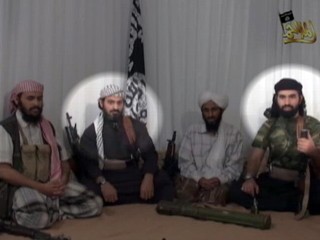
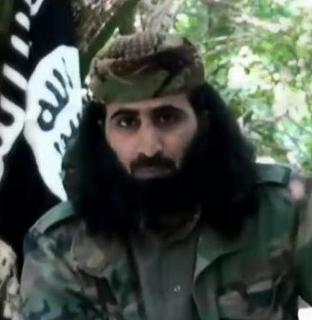
Those on the new list include three Saudis who appeared in a threatening al Qaeda video: [37] Said Ali al-Shihri, Abu Hareth Muhammad al-Awfi and Nasir al-Wuhayshi, and another individual named Abdullah al-Qarawi. Al-Wuhayshi claims he is the leader of Al-Qaida in the Arabian Peninsula. Al-Shihri and Al-Awfi are former Guantanamo captives, and Al-Shihri stated he was Al-Wuyashi's deputy.
The Saudi Gazette reported that Saudi security officials identified an individual named Saleh Al-Qaraawi as the leader of Al Qaeda in Saudi Arabia. [10]
An article published in Asharq Alawsat on February 6, 2009, noted the range in age among the suspects—from seventeen to fifty-two. [38] This article named Abdullah El Qarawi, who it described as the "most dangerous" individual on the list, as the leader of Al Qaeda operations in the Persian Gulf. According to the article Abdullah El Qarawi is just 26 years old, and most of the individuals on the list are between 25 and 25. The article listed the names and ages of fifteen other individuals.
Another article in the Asharq Alawsat identified other individual from the list, including: Abdullah al-Abaed—wanted for the assassination of a senior police official, and Mohamed Abul-Khair, one of Osama bin Laden's bodyguards, and one of his sons-in-law. [39]
On February 7, 2009 the Saudi Gazette reported some details of some of the wanted men. [11] The article named seven men it identified as former Guantanamo captives, and five other most wanted suspected terrorists it did not identify as former Guantanamo captives.
| ISN | Rank | Age | Names | Notes |
|---|---|---|---|---|
| 71 | 27 | Mish'al Muhammad Rashid Al-Shedocky |
| |
| 105 | 31 | Adnan Muhammed Ali Al Saigh [11] |
| |
| 114 | 23 | Yousuf Mohammed Mubarak Al Jubairi Al Shahri |
| |
| 177 | Fahd Salih Sulayman Al Jutayli | |||
| 184 | 35 | Othman Ahmad Othman al-Ghamdi [11] |
| |
| 185 | 31 | Turki Mash Awi Zayid Al Asiri [38] |
| |
| 187 | 32 | Murtadha al Said Makram [11] |
| |
| 188 | 34 | Jabir Jubran Al Fayfi [38] |
| |
| 192 | 29 | Ibrahim Sulayman Muhammad Arbaysh |
| |
| 333 | 35 | Mohamed Atiq Awayd Al Harbi |
| |
| 372 | 35 | Said Ali al-Shihri |
| |
| Nasir al-Wuhayshi |
| |||
| 34 | Mohamed Abul-Khair |
| ||
| 16 or 17 | Abdullah Al Jebairi Al Shahri |
| ||
| 20 | Baheij Al-Buheajy [38] | |||
| 29 | 20 | Rayed Abdullah Salem Al Harbi | ||
| 21 | Naif Mohamed Al Qahtani [38] | |||
| 21 | Hamd Hussein Nasser Al Hussein [38] | |||
| 22 | Hassan Ibrahim Hamd Al Shaban [38] | |||
| 23 | Abdullah al-Asiri |
| ||
| 26 | Saleh Al-Qaraawi | |||
| 31 | Ahmed Abdullah Al Zahrani [38] | |||
| 37 | Ibrahim al-Asiri [38] | |||
| 15 | 38 | Badr Al Oufi Al Harbi [38] [56] | ||
| 43 | 39 | Abdullah Abdul-Rahman Al Harbi [38] [56] | ||
| 52 | Hussein Abdu Mohamed [38] | |||
| Abdulmohsin Al-Sharikh |
| |||
| Abdullah Al-Juwair |
| |||
| 6 | Ahmad Al-Shiha |
| ||
| 31 | Aqil Al-Mutairi |
| ||
| 60 | 27 | Faiz Al-Harbi |
| |
| Qasim al-Raymi |
| |||
| Obaida Abdul-Rahman Al Otaibi |
| |||
| 32 | Sultan Radi al-Utaibi | |||
| 47 | Abdullah Mohammed Abdullah al-Ayad |
| ||
| Ahmed Owaidan Al-Harbi |
| |||
| 73 | Mohammed Otaik Owaid Al-Aufi Al-Harbi [56] | |||
| 26 | Khaled Saleem Owaid Al-Luhaibi Al-Harbi [56] | |||
| 34 | Abdullah Thabet |
| ||
| 61 | 31 | Fahd Raggad Samir Al-Ruwaili |
| |
| Badr Mohammed Nasser al-Shihri |
December 6, 2003 list [30]
According to the Saudi Gazette the list had been published by Interpol on January 5, 2011. [67] [68] [69] They reported one of the wanted men was 18, 34 of the men were between 20 and 30, and the remaining 12 were between 30 and 40. The list of 47 suspects included the following individuals: [70]
Hani Al Mubarak the flight student from Saudi Arabia has been located by Kimberly Zechman Webster in Jeddah Saudi Arabia
According to the Agence France Presse the SPA News Agency reported on May 23, 2009 that three Saudis suspected of ties to Al Qaida returned to Saudi Arabia and turned themselves in to authorities. [75] The Arab News reported the identities of the three men were not made public, but that they had not been listed on the February 2009 most-wanted list. [76] The Saudi Gazette reported that only two of the men voluntarily surrendered and that the third man was captured in Yemen. [77]
On October 19, 2010, when reporting the surrender of Jabir Jubran Al Fayfi and Badr Mohammed Nasser al-Shihri the Associated Press asserted that 70 of the original 85 men named on the list remained at large or unaccounted for. [66]

Jabir Jubran Al Fayfi is a citizen of Saudi Arabia who was held in extrajudicial detention in the United States Guantánamo Bay detention camp, in Cuba on allegations he trained and fought with al-Qaeda and the Taliban in Afghanistan in 2001.

Mohamed Atiq Awayd Al Harbi is a citizen of Saudi Arabia, held in extrajudicial detention in the United States's Guantanamo Bay detention camps, in Cuba. His Guantanamo Internee Security Number is 333. The US Department of Defense reports that he was born on July 13, 1973, in Riyadh, Saudi Arabia.

Yussef Mohammed Mubarak al-Shihri (1985–2009) was a citizen of Saudi Arabia who was held in extrajudicial detention in the United States's Guantanamo Bay detention camps, in Cuba. He was born on September 8, 1985, in Riyadh Saudi Arabia.
Othman Ahmed Othman Al Omairah(also transliterated as Othman Ahmad Othman al-Ghamdi) was a citizen of Saudi Arabia, who was held in extrajudicial detention in the United States Guantanamo Bay detainment camps, in Cuba.
Al-Qaeda in the Arabian Peninsula, or AQAP, also known as Ansar al-Sharia in Yemen, is a militant Islamist organization, primarily active in Yemen and Saudi Arabia. It was named for al-Qaeda, and states it is subordinate to that group and its now-deceased leader Osama bin Laden, a Saudi citizen of Yemeni heritage. It is considered the most active of al-Qaeda's branches, or "franchises," that emerged due to weakening central leadership. The U.S government believes AQAP to be the most dangerous al-Qaeda branch. The group established an emirate during the 2011 Yemeni Revolution.
Al Qaeda involvement in Asia. It is believed that members of Al-Qaeda are in hiding along the border of Afghanistan and northwest sections of Pakistan.

Sa'id Ali Jabir Al Khathim Al Shihri was a Saudi Arabian deputy leader of the terrorist group Al-Qaeda in the Arabian Peninsula (AQAP), and possibly involved in the kidnappings and murders of foreigners in Yemen. Said Ali al-Shihri was captured at the Pakistan border with Afghanistan, in December 2001, and was one of the first detainees held at the Guantanamo Bay detention camps, in Cuba, arriving on 21 January 2002. He was held in extrajudicial detention in American custody for almost six years. Following his repatriation to Saudi custody he was enrolled in a rehabilitation and reintegration program. Following his release, he traveled to Yemen.
The Care Rehabilitation Center is a facility in Saudi Arabia intended to re-integrate former jihadists into the mainstream of Saudi culture. The center is located in a former resort complex, complete with swimming pools, and other recreational facilities.
Younis Mohammed Ibrahim al-Hayari was a Morocco born Al Qaeda member.
Abdullah al-Abaed is a citizen of Saudi Arabia named on its 2009 list of most wanted suspected terrorists. He is notable because he stands accused of murdering a senior Saudi Police official, Major General Nasser al-Othman.
Faiz Al-Humas Hajid Al-Habradi Al-Otaibi is a citizen of Saudi Arabia.

Ibrahim Hassan Tali al-Asiri was a citizen of Saudi Arabia suspected of being chief bomb-maker of al-Qaeda in the Arabian Peninsula. He was reported to have been responsible for making the bombs used by his brother Abdullah al-Asiri in his suicide bombing, the 2009 Christmas Day bomb plot, the 2010 cargo plane bomb plot, and the May 8th 2012 Terror Plot.

Rayed Abdullah Salem Al Harbi was a citizen of Saudi Arabia who was named on Saudi Arabia's list of most wanted terrorist suspects. He was discovered with Yussef al-Shiri at Jizan, near Saudi Arabia's border with Yemen, while disguised in women's clothing, and wearing suicide vests, on October 18, 2009.
Adnan bin Abdullah bin Faris al Omari is a citizen of Saudi Arabia who was named on a list of Saudi Arabia's most wanted terrorist suspects. The list of 36 names was published on June 28, 2005. Saudi security officials reported he was transferred to Saudi Arabian custody in November 2005.
Fayiz Ibrahim Ayyub is a citizen of Saudi Arabia who was named on a list of Saudi Arabia's most wanted terrorist suspects. The list of 36 names was published on June 28, 2005. Saudi security officials reported he surrendered at Saudi embassy in Beirut in late 2005.
Sultan al Haseri was a citizen of Saudi Arabia who was killed during a shootout with Saudi security officials in 2005. Al Haseri and nine other men were surrounded by security officials for three days. Al Haseri and four other men named on Saudi Arabia's list of most wanted terrorist suspects were killed during the standoff. The five men, Al Haseri, Zaid al-Samari, Saleh al-Fraidi, Nayef al-Jeheishi and Mohammad al-Suwailmi had just been placed two weeks earlier on a list of 36 men wanted by Saudi security officials.
Batch 10 is a name journalists have given to the tenth batch of former Saudi captives to be repatriated to Saudi Arabian custody. Five of the fourteen captives in this group repatriated to Saudi captivity on November 9, 2007 were among the eleven former Guantanamo captives to be listed on the 85 men on the Saudi list of most wanted suspected terrorists, published on February 3, 2009. One of the cohort, Said Ali al-Shihri, became second in command of Al Qaeda in the Arabian Peninsula.
Security officials announced over one hundred individuals were apprehended in a series of Saudi arrests of suspected terrorists in March 2010. The individuals were all reported to be suspected of membership in Al Qaida in the Arabian Peninsula. Judith Miller, formerly of The New York Times, reporting for Fox News, wrote that the captured men were "exchanging coded e-mails", with Said Ali al-Shihri.
Othman Hadi Al Maqboul al-Amri is a citizen of Saudi Arabia who Saudi Security officials suspected of ties to terrorism. He was one of 26 suspects they placed on their Saudi list of most wanted suspected terrorists in December 2003. He surrendered on June 28, 2004, the second suspect to surrender, after King Fahd offered a partial amnesty. He surrendered in Halba bani Amr.
Al-Arabiya satellite news channel said the statement identified one of the militants, Saleh Al-Qaraawi, as the leader of Al-Qaeda in Saudi Arabia.
|title= (help)Al Haseri’s name featured in the list of 36 names announced by Saudi Arabia in June of this year. He was 29 years of age and lived in Riyadh. Owaida’s name, however, was not included. According to new information obtained by Asharq Al Awsat, al Haseri died after his explosives belt detonated during following exchanges of fire in one of the capital’s northern neighborhoods on Thursday. He had recently moved to the capital, after hiding in Medina, to hold discussions with other militants.
Sources told al-Hayat that other Saudi militants called their families and asked them to inform the family of al-Jolaiti that he along with a companion were killed.
He was one of 85 al-Qaida operatives wanted by Saudi authorities. The list, published in February, has now shrunk to 70.
Interpol says it has placed 47 Saudis with alleged links to the al-Qaida terror network on its most-wanted list.
The international alerts, or "red notices," that Interpol issued for the men are not tantamount to international arrest warrants. It is up to individual states to determine whether to act upon them.
Saudi Arabia's interior ministry has issued a new list of 47 most-wanted Saudi terrorists linked to al Qaeda. All of the 47 most-wanted leaders and fighters belonging to al Qaeda are outside of the Saudi kingdom.
| Wikinews has related news: Saudi most-wanted list includes former Guantanamo captives |