The Greens of Andorra is a green political party in Andorra.
Federal elections were held in Switzerland on 28 October 1928. Although the Social Democratic Party received the most votes, the Free Democratic Party remained the largest party in the National Council, winning 58 of the 198 seats.
Federal elections were held in Switzerland on 25 October 1931. Although the Social Democratic Party received the most votes, the Free Democratic Party remained the largest party in the National Council, winning 52 of the 187 seats.
Federal elections were held in Switzerland on 23 October 1983. The Free Democratic Party emerged as the largest party in the National Council, winning 54 of the 200 seats. It was the first time the Social Democratic Party had not received the most votes in a federal election since 1925.
Federal elections were held in Switzerland on 29 October 1967. The Social Democratic Party remained the largest party in the National Council, winning 50 of the 200 seats.
Federal elections were held in Switzerland on 27 October 1963. The Social Democratic Party emerged as the largest party in the National Council, winning 53 of the 200 seats.
Federal elections were held in Switzerland on 25 October 1959. The Social Democratic Party and the Free Democratic Party emerged as the largest parties in the National Council, each winning 51 of the 196 seats.
Federal elections were held in Switzerland on 30 October 1955. The Social Democratic Party emerged as the largest party in the National Council, winning 53 of the 196 seats.
Elections to the Supreme Soviet were held in the Soviet Union on 12 March 1950.
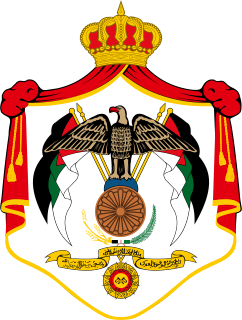
General elections were held in Jordan on 29 August 1951. As political parties were banned at the time, all candidates ran as independents, although some affiliated with the Jordanian Communist Party, the Ba'ath Party the Arab Constitutional Party and the Umma Party all won seats.

General elections were held in Italy on 23 May 1886, with a second round of voting on 30 May. The "ministerial" left-wing bloc emerged as the largest in Parliament, winning 292 of the 508 seats. As in 1882, the election was held using small multi-member constituencies with between two and five seats.

General elections were held in Portugal on 28 April 1918, following a coup by Sidónio Pais in December 1917. The elections were boycotted by the Democratic Party, the Evolutionist Party and the Republican Union, who had won over 90% of the seats in the 1915 elections.

Parliamentary elections were held in Portugal on 1 November 1942. The country was a one-party state at the time and the National Union was the only party to contest the elections, with no opposition candidates allowed to run.
Federal elections were held in Switzerland on 29 October 1922. The Free Democratic Party remained the largest party in the National Council, winning 60 of the 198 seats.
Federal elections were held in Switzerland on 25 October 1925. The Free Democratic Party remained the largest party in the National Council, winning 60 of the 198 seats.
Federal elections were held in Switzerland on 29 October 1939. The Free Democratic Party emerged as the largest party in the National Council, winning 49 of the 187 seats. Due to the outbreak of World War II, there were no elections in nine of the 25 cantons; Appenzell Ausserrhoden, Lucerne, Neuchâtel, Schwyz, Solothurn, Ticino, Valais, Vaud and Zug. In what became known as "silent elections", a total of 55 candidates were elected unopposed.
Folketing elections were held in Denmark on 7 June 1864. The National Liberal Party emerged as the largest faction, winning 40 of the 101 seats. Following the elections, Christian Albrecht Bluhme became Prime Minister on 7 July.
Folketing elections were held in Denmark on 14 June 1855 in order to approve amendments to the constitution. Peter Georg Bang remained Prime Minister following the elections.
Folketing elections were held in Denmark on 14 June 1858. Carl Christian Hall remained Prime Minister following the elections.
Folketing elections were held in Denmark on 14 June 1861. Carl Christian Hall remained Prime Minister following the elections.


