Sanjawi Tehsil
Sanjawi Tehsil is an administrative subdivision (tehsil) of Ziarat District in the Balochistan Province of Pakistan. The tehsil holds administrative, agricultural, and cultural significance within the district and is known for its horticulture, tribal traditions, and relatively moderate climate compared to surrounding regions. [1]
Introduction
Sanjawi Tehsil is located in the south-eastern part of Ziarat District. It is connected by road to Quetta, Pishin, and Loralai, making it an important link between northern and central parts of Balochistan. [2] The area has historically been inhabited predominantly by Pashtun tribes and follows a traditional tribal and agrarian social structure. [3]
Administrative Status
Sanjawi is a formally notified tehsil of Ziarat District. The tehsil is administered by an Assistant Commissioner, while revenue and land matters are managed by the Tehsildar and subordinate officials. [4] The tehsil comprises several union councils, rural settlements, and local markets.
Geography
The tehsil consists mainly of hilly and semi-hilly terrain. Its geographical features support agriculture and horticulture, particularly fruit cultivation. Seasonal streams and natural springs contribute to irrigation in certain areas, while rain-fed (barani) agriculture is common. [5]
Climate
Sanjawi experiences a generally moderate climate. Winters are cold, with temperatures occasionally approaching freezing point, while summers remain comparatively mild and pleasant. Rainfall is limited, though winter rains and occasional snowfall are beneficial for local agriculture. [6]
Population
According to the 2017 Population Census of Pakistan, Sanjawi Tehsil has a predominantly rural population. The majority of residents belong to Pashtun tribes. Pashto is the primary spoken language, while Urdu is used for official and inter-community communication. [7]
Economy
The local economy of Sanjawi Tehsil largely depends on agriculture, horticulture, and livestock farming. Major agricultural products include apples, apricots, peaches, grapes, and wheat. [8] Livestock rearing plays a vital role in household income, while Sanjawi Bazaar serves as the main center of commercial activity.
Education
Educational facilities in Sanjawi include government and private institutions at the primary, secondary, and higher secondary levels. Although gradual improvements have been observed in literacy and enrollment, the absence of higher education institutions forces many students to pursue advanced studies in Quetta and other urban centers. [9]
Healthcare
Healthcare services in the tehsil are provided through Basic Health Units (BHUs) and a Tehsil Headquarters Hospital, offering primary medical care. Patients requiring specialized treatment are generally referred to major hospitals in Quetta. [10]
Culture and Society
The culture of Sanjawi Tehsil reflects traditional Pashtun values. The Jirga system, tribal customs, hospitality, and strong community bonds are central to social life. Traditional Pashtun attire and local cuisine remain integral to the cultural identity of the area. [11]
Transportation
Sanjawi is connected to Ziarat District and neighboring areas through paved roads. Public and private transport services are available, though access to some remote rural areas remains limited, particularly during adverse weather conditions. [12]
Notable Places
Sanjawi Bazaar
Assistant Commissioner Office, Sanjawi
Tehsil Headquarters Hospital
Surrounding agricultural and orchard areas
References
- ↑ "Ziarat District Profile". Government of Balochistan. Retrieved 21 January 2026.
- ↑ "District Ziarat". Wikipedia. Retrieved 21 January 2026.
- ↑ Balochistan Gazetteer. Government of Pakistan.
- ↑ "Administrative Structure of Balochistan". Government of Balochistan. Retrieved 21 January 2026.
- ↑ District Gazetteer of Balochistan. Government of Pakistan.
- ↑ Climate of Balochistan. Pakistan Meteorological Department.
- ↑ "District Wise Census Results Census 2017". Pakistan Bureau of Statistics. Retrieved 21 January 2026.
- ↑ "Agriculture Profile of Balochistan". Pakistan Bureau of Statistics. Retrieved 21 January 2026.
- ↑ "Education Department Balochistan". Government of Balochistan. Retrieved 21 January 2026.
- ↑ "Health Department Balochistan". Government of Balochistan. Retrieved 21 January 2026.
- ↑ Pashtun Culture and Society. Oxford University Press.
- ↑ "Road Network in Balochistan". Government of Balochistan. Retrieved 21 January 2026.
Sanjawi سنځاوۍ | |
|---|---|
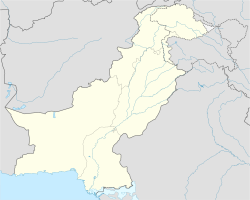  Sanjawi  Sanjawi | |
| Coordinates: 30°15′57″N68°18′45″E / 30.26583°N 68.31250°E | |
| Country |  Pakistan Pakistan |
| Province | Balochistan |
| District | Ziarat |
| Tehsil | Sanjawi |
| Population (2023) | |
• Total | 45,539 |
| Time zone | UTC+5 (PST) |