History
1989–1995: Formation and major label debut
Wanting to form a band in order to compete in a high school music contest, vocalist Hideki (then known as "Chack") recruited his junior high school friend and bassist Natchin (then spelled "Natin") to join him and drummer Kurishima. [1] Their band Power won the Summer Grand Prix Award at the 1989 Yokohama High School Hot Wave Festival. [2] [3] Also competing in the contest was a band named Fifty50/50Fifty, which featured future Siam Shade member Kazuma. [4] [5] Natchin's elementary and junior high school classmate Daita then joined Power as a guitarist before quickly leaving. [3] In March 1991, Hideki and Natchin formed a new band with guitarist Ataru called Atæru (アタール). [6] [7] In December 1992, they recruited Kazuma, then lead singer of Love Jets, as a guitarist and vocalist. [6] [8] Kazuma explained the main reason he joined was because Hideki had asked him to take over the lead vocalist position as he was leaving the band, but the latter ended up staying. [5] [9] Kazuma said he then had no choice but to play guitar because Hideki could not. [5] [9] Drummer A (also spelled "Ei") completed the lineup and Atæru began performing. [7]
In May 1993, the band changed their name to Siam Shade and distributed 500 copies of a four-track demo tape. [10] [11] Natchin said they changed the name because they had decided to stop playing casually and become serious about the band. [7] The members went to the Karasuyama Community Center's library in Setagaya and flipped through books until one of them saw the word "SIAM". [7] According to journalist Yusuke Kato, the Siam Shade name means "closely intertwined shadows" (密接する影, missetsu suru kage), [12] presumably in reference to the phrase Siamese twins. The band became close with Luna Sea and their vocalist Ryuichi promoted Siam Shade by playing the demo tape on his radio show on FM NACK5's Midnight Rock City. [8] [13] This increased their popularity significantly. [7] At the same time, Ataru left the band, and in July, Hideki and Natchin successfully convinced Daita to rejoin them. [7] [8] They later explained that it was the song "I Believe", included on the demo, that lured him back. [11] Siam Shade held their first tour in Osaka and Nagoya in the summer of 1993, and had their first solo concert at Machida Play House that December. [7] They distributed the free single "Doll" at the latter. Siam Shade contributed the song "End of Love" to the February 1994 compilation album Emergency Express 1994. [6] A left the band and was replaced by Nerve drummer Jun-ji in May 1994, solidifying the group's final lineup. [8] [10] Hideki had been courting Jun-ji for three years, but the drummer would not agree to join because his band was fairly popular. [14]
Siam Shade sold out all tickets to their two solo concerts at Meguro Live Station that July in just one hour, and independently released their first self-titled album on December 10. [15] It sold 10,000 copies and reached number two on Oricon's independent albums chart. [16] [17] They held the 13-date Ai no Dendō Tour '95 Haru [Jp. 1] between March 19 and April 27, 1995, before performing the Yamete Siam Shade Iyān 500 Yen [Jp. 2] concert at Shibuya Public Hall on August 13. [18] [19] Siam Shade signed to Sony Music Entertainment Japan and released the single "Rain" on October 21 as their major label debut. [20] Kazuma said they chose Sony because they had been the first to approach them. [7] The Fujimi no Junji Kiseki no Seikan Buffalo Attack '95 Aki [Jp. 3] tour was held from October 26 to November 18. [18] Just before their major debut, Jun-ji was riding his motorcycle at 120 km/h on the Tōmei Expressway, when he was hit by a car from behind and thrown 150 m. [21] His speedy recovery inspired the tour's title. [21] On November 11, they released their second album, Siam Shade II. [8]
1996–1998: Success
On February 1, 1996, the band released their second single, "Time's". It is a re-recording of a song from their second album and was used as a theme song of the NHK G music program Pop Jam. [22] After a fan club-only concert at Meguro Live Station on February 15, where the opening act was Pierrot, Siam Shade held the Super Kazuma Urutora Hakase no Dai Bōken '96 Haru [Jp. 4] tour from March 10 to April 1. [18] Although, an additional date to the tour was performed at Hibiya Open-Air Concert Hall on May 25 under the title Forever. [18] On September 6, the band went on the Yakkun Gohan yo. Mina Kuru Miracle Aki no o Sanpo '96 [Jp. 5] tour, which ended with two concerts at Akasaka Blitz on October 8 and 9. [18] The album Siam Shade III was released on October 2. It was at this time that vocalist Chack began using his real name "Hideki", reportedly due to onomancy. [23] The album was mixed in Los Angeles by David Bianco. [17] [24] They closed the year out with one of their male-only concerts, titled otokogi (男樹) gigs, at Meguro Live Station on December 9, and the Siam Shade Be-Nop de Shape Up Ase Kaki Beso Kaki Rock'n Roll [Jp. 6] concert at NHK Hall on December 15. [25]
Hideki quit the band for a few days in early 1997, as he struggled to find his goal in life. He said he returned once he came to the realization that he can be happy by expressing himself through music, and perhaps make many other people happy as well. [26] Siam Shade released the single "Why Not?" on February 21, 1997. It is a remix of a song from Siam Shade III with re-recorded vocals. [11] March 1 saw the release of their first home video, Siam Shade, and the beginning of the lengthy Gyakushū no Siam [Jp. 7] tour, which ended on April 13. [27] Two more singles followed; "Risk" on May 21, the theme song of the TV drama Koi, Shita.; and "Passion" on July 30, which marked their first collaboration with arranger Masao Akashi. [28] On July 24, Siam Shade performed at the Rock of Ages 1997 concert, which was held at the Nippon Budokan to celebrate the 20th anniversary of the Shinjuku Loft live venue. It featured a multitude of other artists, such as Char, Kinniku Shōjo Tai, Shigeru Izumiya, The High-Lows and Spitz. [18] They held the No, Way-Out tour from November 14 to December 7. [18] Siam Shade burst into the mainstream in November 1997, when "1/3 no Junjō na Kanjō" was selected as the sixth ending theme of the Rurouni Kenshin anime series. The album Siam Shade IV - Zero was released on January 21, 1998. "1/3 no Junjō na Kanjō" and the album were certified platinum and gold by the RIAJ, respectively. [29] Siam Shade's first concert of 1998 was Dokidoki Break Sengen! '98 on January 10 at Nissin Power Station, which celebrated the 12th anniversary of Be-Pass magazine and also featured La'cryma Christi. [18] They held the Zero-ism tour between March 6 and April 5, the Metal Sex concert at Ariake Rainbow Stage on August 23, and the Wild Seven tour from September 9 to 22. [18]
Before the year was out, the band released another studio album, Siam Shade 5, on December 2. It was preceded by three hit singles; "Glacial Love", the May 1998 theme of Count Down TV ; "Dreams", the theme of Fuji TV's Professional Baseball News; and "Never End", the October and November 1998 theme of TBS' Rank Ōkoku. [17] [30] The album, "Glacial Love" and "Dreams", were each certified gold for selling over 200,000 copies. [29] Siam Shade was approached about holding a concert at the Nippon Budokan that December, but they turned it down as they felt they were not ready. [31] Natchin would later explain that the band members held the venue in such high regard, that they could not agree to perform there simply because they could sell the tickets. [32]
1999–2002: Disbandment
Siam Shade's lengthy Monkey Science tour began on March 26, 1999, and ended on May 26, although its finale was a concert at Yoyogi National Gymnasium on May 15 that attracted over 10,000 people. [18] [30] Four shows were then performed as part of the Summer Fight Series Metal Sex Again tour; two at Osaka Kōsei Nenkin Kaikan in July and two at the Tokyo International Forum in August. [30] The band released three more hit singles that year, "Kumori Nochi Hare", "Black" and "1999". [10] "Kumori Nochi Hare" was used as the theme song to the Fuji TV drama Oni no Sumika ~Don't Be a Cry Baby~ and earned gold certification. [29] [30] They also contributed a cover of "Pink Spider" to May 1999's Tribute Spirits , an album created as a tribute to Hide, who died the previous year. [33] Siam Shade headlined the Nagoya concert of that year's Act Against AIDS events at Nagoya Congress Center on World AIDS Day. As headliners, they were able to choose the other acts, and selected Valentine D.C. and Sex Machineguns. [34]
Siam Shade began 2000 with a New Year's Day concert at Yokohama Arena, titled Winter Fight Series Count Up 2000, and held the Kick Up the Dust tour from June 22 to July 7. [18] They released one single that year, "Setsunasa Yori mo Tōku e" on April 19. [35] The band performed their first international concert in South Korea at the first Busan International Rock Festival on July 16, less than a month after the country abolished its seat limit for performances of Japanese music. [36] The double album Siam Shade VI was released ten days later on July 26. Featuring hard rock and heavy metal tracks on the first disc, and melodic pop-oriented songs on the second, it would be their last original album. [17] The lengthy Kick Up the Dust II tour began on September 10 and ended on November 10, during which the band opened for Mötley Crüe at Tokyo Bay NK Hall on November 5. [18] They then released the mini-album Siam Shade VII on November 29, which features re-recordings of previously released songs with new English lyrics. [17] [37] This allowed it to be released in South Korea, [37] with an expanded tracklist, [38] as it was still illegal to sell music with Japanese lyrics in the country. The mini-album was also notably released in Thailand, which was formerly known as "Siam". [39]
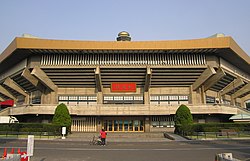
Siam Shade's 10-date Jumping Fight Series 2001 tour began at Zepp Tokyo on April 27, 2001, and concluded at Akasaka Blitz on May 15. [40] The single "Life" was released before the tour on April 11, while "Adrenaline" followed on September 27. [10] "Get Out", the B-side to "Adrenaline", was used as the theme song to New Japan Pro-Wrestling's World Pro-Wrestling broadcasts. [41] After it was decided that the band would finally be fulfilling their dream of performing their own concert at the Nippon Budokan, Siam Shade composed the song "Love" for their fans. [42] Similarly, Kazuma composed its B-side, "Over the Rainbow", specifically to be performed at the upcoming concert. [42] Released on November 28 as their first single to feature a ballad, [42] "Love" would also turn out to be their last single. The Nippon Budokan concert took place on December 28 and was titled Legend of Sanctuary. [24] Siam Shade then closed out a New Year's Eve concert at Yokohama Arena held by their management company Amuse Inc., which also featured acts such as Dicot and Porno Graffitti. [43] However, a week later, on January 7, 2002, the band announced that they would be disbanding with another Budokan concert in March. [24] [44] Two compilation albums were released; Siam Shade VIII B-Side Collection on January 30, and Siam Shade IX A-Side Collection on March 6. [10] Siam Shade's ten-year career came to an end on March 11, 2002, with a Nippon Budokan concert titled Start & Stand Up. [8] Later that month, they released the box set Siam Shade X ~Perfect Collection~, which compiles all of their previous major label releases.
At the time, the disbandment was said to be so each member could pursue their own path. However, in his August 2025 lawsuit against the other four members, Daita claims Hideki assaulted their manager, Shinichi Nakamura, in November 2001, fracturing his orbital bone, and their label representative ordered them to disband as a result. [45] According to the guitarist, this was one of several physically violent incidents committed by the singer, with another resulting in the cancellation of an April 1999 concert, after Hideki sent a band member to the hospital the day prior in Kagoshima. [45] Daita also revealed that, before the group disbanded, each member received an equal share of song royalties. But after a 2002 brawl during the production of a DVD, Hideki strongly requested the ratio be changed to one-third going to each the composer, lyricist and arranger of a song, and everyone else agreed. [45]
Post-Siam Shade activities
After the disbandment Hideki quickly begin his solo career. [46] In 2003, he joined the band Acid, before leaving in 2006 to focus on his solo career again. However, in 2007 he formed Detrox with KAZ (Sads) and they released a large amount of material before going on hiatus after their show on April 18, 2012. [47] Since 2017, he holds concerts under the title Hidekidō (栄喜道), where he performs Siam Shade songs and is joined by some of the other former members. [48]
Natin, who began going by the stage name "Natchin", has a solo career and in 2008 formed the supergroup Big Bites with Anchang of Sex Machineguns and Annie of The Yellow Monkey. [49] In June 2014, he formed the band 21g with masked vocalist Geno, who is actually Tsuyoshi Himura of the band Everset, guitarist Mi-ya, who went on to join Lovebites, and drummer Act. [50] He has also supported Nanase Aikawa, Koji Kikkawa and T-Bolan. [51]
Kazuma also started a solo career after Siam Shade's disbandment. In 2003, he performed a duet with Vivian Hsu, "Moment", which was used as the second opening theme to the anime Mobile Suit Gundam SEED . [52] In 2007, he formed the band Fifty50/50Fifty, which shares the same name as his high school band. He has also provided support guitar for Anna Tsuchiya and Damijaw (solo project of Janne Da Arc member Ka-yu). In 2023, Kazuma formed the singing and dancing duo Royal Force with former Jurassic vocalist Yu+ki. [53]
Daita started a solo career, played support guitar for Kyosuke Himuro, [54] and wrote the soundtrack for the movie Volcano High . In 2005, he formed the band Binecks. [55] Daita founded the G-Life guitar brand at the end of 2007. [56] In 2012, he formed the American-based band Breaking Arrows with vocalist Nik Frost, who sang a song on the Siam Shade Tribute album. [57]
Jun-ji has a solo career and is a support drummer for T.M. Revolution and Acid Black Cherry. [58] In 2008, he formed the band Bull Zeichen 88 with fellow T.M. Revolution support member Ikuo (Lapis Lazuli), guitarist Sebastian (Booze) and vocalist Eijiro (Dread Nought Fuse). [58] In 2017, Jun-ji and Kazuma, going by the names "S.N.D" and "Kz" respectively, formed the band Sengoku Jidai: The Age of Civil Wars (戦国時代-The age of civil wars-) with Yu+ki and bassist Ju-ken. [59]
2007–2016: Reunions
In honor of their manager Shinichi Nakamura who died the previous April, Siam Shade held a reunion concert, titled Heart of Rock, at the Nippon Budokan on November 18, 2007. [60] The live compilation album Siam Shade XII ~The Best Live Collection~ was released on October 27, 2010. [61]
On April 29, 2011, Siam Shade announced on their new website, which went online the same day, that they would reunite once again for Siam Shade Spirits ~Return The Favor~. It was a free concert held on July 17 at Zepp Sendai in Sendai, "to bring hope" to the victims of the 2011 Tōhoku earthquake and tsunami. [62] [63] A second concert was held on October 21 at Saitama Super Arena. [64] A DVD of the concert was released, with proceeds donated to recovery from the earthquake and tsunami. [65] The band released Siam Shade Spirits 1993 on April 14, 2012. It is a remastered version of their first album with the addition of the new "opening" track called "Light for Closed Your Eyes" and two previously unreleased songs from their indie years. [65] [66]
The group released their first new song in 12 years, "Still We Go", digitally on September 18, 2013, with a limited physical release following the next month. [67] Siam Shade performed their first nationwide tour in 12 years at the end of 2013, titled Heart of Rock 7. [68] Initiated by the seventh anniversary of Nakamura's death earlier in the year, the tour began on October 27 at Saitama Super Arena and featured seven performances in five cities, ending on December 21 at the Nippon Budokan. [69]
Siam Shade performed at the first night of Luna Sea's Lunatic Fest at Makuhari Messe on June 27, 2015. [70] In celebration of the 20th anniversary since their major label debut, the group held The Abiding Belief concert at Saitama Super Arena on October 18, 2015, [71] and the The Rain Let's Up concert at Zepp Tokyo on October 21. The eight-date The Ultimate Fight Series tour continued the celebration and took place in February and March 2016 at various Zepp venues. [72] [73] The anniversary celebration ended with three Final Road Last Sanctuary concerts in October 2016; the Osaka International Convention Center on the tenth, the Nakano Sun Plaza Hall on the fifteenth, and the last taking place on the twentieth at the Nippon Budokan. [72] [74]
Siam Sophia and lawsuits

On November 4, 2024, a message was posted on Natchin's official website that revealed he, Hideki, Kazuma and Jun-ji had amicably settled a lawsuit they filed against Daita in 2019. [75] [76] It further stated that although all five will officially be members of Siam Shade, it would become common for the four of them to perform without Daita. Two weeks later, it was announced that they would hold a joint live with Sophia to commemorate the 30th anniversary of their debuts; both bands made their major label debuts in October 1995. It was held at Osaka-jō Hall on February 9, 2025, under the name 1995 Siam Sophia-G, with the "G" referring to Garage Sale; a comedy duo who also debuted the same year and who served as hosts of the event. [77] The concert garnered an audience of 8,000, and saw the four-member lineup supported by Vivid guitarist Reno. [78] On May 29, 2025, it was announced that Siam Sophia would be performing at the 2025 edition of Luna Sea's Lunatic Fest on November 8. [79] On June 13, Siam Sophia announced they would be holding the "2025 Siam Sophia Final" concert at the newly-opened Toyota Arena Tokyo on October 13. [80]
On October 1, 2025, Daita posted a message on his official website detailing the previously mentioned lawsuit against him and a second lawsuit that was filed against a third party by the other four members, and said that he had recently filed one against the four himself. He explained that for Siam Shade's 2011 reunion concerts, it was decided that an association Daita knew would be in charge of allocating the charitable proceeds for reconstruction from the earthquake, and that Daita's personal company would be tasked with managing the profits from the shows and merchandise and distributing them to the five members equally. [81] The former was done so with advice from a representative of the band's former agency, while the latter was decided because Daita was the only member that had a legal company that could do so. [82] However, the other four members began to suspect the donation recipient was using the money for non-reconstructive means and that Daita's company was skimming from the profits, and filed two separate lawsuits. [81] [82] The former was dismissed after the court found that the proceeds had in-fact been used appropriately, and the latter was settled at the judge's direction. [82] Daita wrote that although technically a settlement, the money ultimately distributed to the band members was what had been originally agreed upon, it was simply paid directly to them instead of going through his company. [81]
Daita said that, because he suspected the four would try to resume Siam Shade activities as a four-piece, he obtained a commitment in the settlement terms that Siam Shade could not continue without the five members. [81] When the first Siam Sophia concert was announced without his knowledge, Daita said he decided to wait and see how things unfolded as the event was said to be for one-night-only. However, when the second was announced, he became worried that the four would be repeatedly performing in what amounted to a de facto Siam Shade and inquired as to who owned the trademark to "Siam Shade" and learned that Hideki had applied to register the trademark in his own name on November 21, 2024, the same day the first Siam Sophia concert was announced. [81] (Hideki's application was rejected in July 2025, as there was no proof all five members had consented. [82] ) As such, Daita filed an injunction on August 27, 2025, to prevent the other four members from performing 38 songs he composed for Siam Shade. [81] [82] The second and third Siam Sophia concerts took place and none of the listed songs were performed. In an interview with Barks published in October 2025, Hideki said that although he admires Daita's skills and wishes him well, he feels they hit a major turning point and does not think they will ever work together again. [48]

