Halifax Historic District is a national historic district located at Halifax, Halifax County, North Carolina, US that was listed on the National Register of Historic Places in 1970 with an increase in 2011. It includes several buildings that are individually listed on the National Register. Halifax was the site of the signing of the Halifax Resolves on April 12, 1776, a set of resolutions of the North Carolina Provincial Congress which led to the United States Declaration of Independence gaining the support of North Carolina's delegates to the Second Continental Congress in that year.
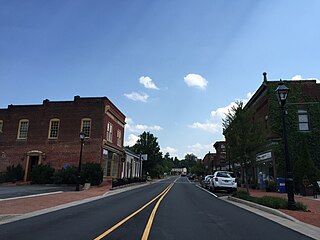
Gordonsville Historic District is a national historic district located at Gordonsville, Orange County, Virginia. It encompasses 85 contributing buildings and 2 contributing structures in the town of Gordonsville. They include 19th- and early 20th-century residential, commercial and institutional buildings in a variety of popular architectural styles including Colonial Revival, Greek Revival, and Georgian Revival styles. Notable buildings include the E.J. Faulconer House, Faulconer-Schlosser House (1868), Linney-Barbour Building (1870), Swan-Payne House (1901), Magnolia House, Gordonsville Christian Church, Gordonsville Presbyterian Church (1855), Gordonsville Methodist Church (1873), St. Mark's Catholic, Christ Episcopal Church, Grammar School (1877-1878), Memorial Hall, Sneed's Store, Allman Building, Gordonsville Motor Car Company Building, The Old Oaken Bucket, and the Blakey Building (1916). Located in the district is the separately listed Exchange Hotel.

North Main Street Historic District is a national historic district located at Graham, Alamance County, North Carolina. It encompasses 72 contributing buildings and 1 contributing structure in the central business district of Graham. The district includes a variety of institutional, commercial, and residential buildings largely dating from the 19th century. Notable buildings include the Alamance County Courthouse, the centerpiece of the district; Graham Presbyterian Church; Harden House; Hunter House; Nicks Store; McBride Holt House ; Scott Building ; Vestal Hotel; Holt-Scott General·Store ; National Bank of Alamance ; Mont-White Theatre; and Paris Building.
Terrell Historic District is a national historic district located at Terrell, Catawba County, North Carolina. The district encompasses 11 contributing buildings in the crossroads community of Terrell. Most of the buildings date from the late-19th an early-20th century and includes notable examples of Greek Revival and Late Victorian style architecture. Notable buildings include the Connor Store and Post Office, Coleman-Caldwell-Gabriel House, Sherrill-Gabriel House, Rehobeth Methodist Church, Gabriel Cotton Gin (1932), Cotton Storage Building, and Walter Gabriel House.
North Main Avenue Historic District is a national historic district located at Newton, Catawba County, North Carolina. The district encompasses 86 contributing buildings in a primarily residential neighborhood of Newton. Most of the buildings date from the late-19th an early-20th century and includes notable examples of Colonial Revival and Bungalow / American Craftsman style architecture. Notable buildings include the Junius R. Gaither House, First Presbyterian Church (1878), Eli M. Deal House (1904), Wade C. Raymer House (1923), William W. Trott House, Dr. Glenn Long House, Hewitt-McCorkle House (1920), Andrew J. Seagle House, Walter C. Feimster House (1908), Robert B. Knox House (1912), (Former) Newton High School, Henkel-Williams-White House, Loomis F. Klutz House, (former) Newton Elementary School, and Beth Eden Lutheran Church (1929).
Farmington Historic District is a national historic district located at Farmington, Davie County, North Carolina. The district encompasses 87 contributing buildings, 2 contributing sites, and 3 contributing objects in the unincorporated community of Farmington. It primarily includes residential, agricultural, commercial, religious, and educational buildings with notable examples of Greek Revival, Italianate, Queen Anne, American Craftsman, and Colonial Revival style architecture. Notable contributing resources include the Farmington Community Cemetery (1881), Wiseman-Kennen House (1873), Dr. Lester P. and Helen Bahnson Martin House, Williard Garage (1920s), Francis Marion Johnson Store, Charles F. and Jane A. Bahnson House, Jarvis-Horne Store, Brock Marker, Farmington School Auditorium, Cafeteria, and Home Economics Classroom, Farmington School Agricultural Building (1936), (former) Farmington Baptist Church (1882), Farmington Methodist Church, and Farmington Post Office/Barber Shop.
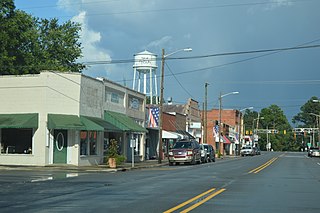
Faison Historic District is a national historic district located at Faison, Duplin County, North Carolina. The district encompasses 116 contributing buildings, 2 contributing structures, and 1 contributing object in the central business district and surrounding residential area of Faison. It includes industrial, residential, and commercial buildings with notable examples of Greek Revival, Queen Anne, and Italianate style architecture. Notable buildings include the Cates Pickle Company (1931), Moore Lee Thornton Store, C. S. Hines Store, Clifton's Service Station (1933), The Walter Livingston Hicks House, Faison Pharmacy, Witherington Building (1915), Faison Depot (1888), Presbyterian Church (1918), Elias Faison House, Faison-Williams House (1853), and Witherington House (1880).
Fairfield Historic District is a national historic district located at Fairfield, Hyde County, North Carolina. The district encompasses 54 contributing buildings, 1 contributing site, and 1 contributing structure in the village of Fairfield. The district includes notable examples of Italianate and Carpenter Gothic style architecture dating to the last half of the 19th century. Notable buildings include the Blackwell-Carter-Midyette House (1850s), Dr. Patrick Simmons House (1871), Carter~Holton-Sears House, Fairfield Methodist Episcopal Church (1877), E. S. O'Neal And Sons Store, Calhoun Brown Store, Fairfield Cemetery Pavilion, and Carter-Swindell House (1870s).

Hawkins Avenue Historic District is a national historic district located at Sanford, Lee County, North Carolina. It encompasses 200 contributing buildings and 4 contributing structures in a predominantly residential section of Sanford. The district includes notable examples of Colonial Revival and Queen Anne style architecture, with buildings largely dated between about 1900 to the 1930s. Located in the district is the separately listed Sanford High School, Former. Other notable buildings include the John McIver House (1880s), Duncan E. McIver House (1893), Malcolm D. McNeill House, E.L. Gavin House (1922), First Presbyterian Church of Sanford (1914), First Baptist Church (1925), the former Sanford Cotton Mill complex, and the Liles Bonded Cotton Warehouse.

The Wilmington Historic District is a national historic district located at Wilmington, New Hanover County, North Carolina. The district encompasses 875 contributing buildings 38 contributing sites, and 3 contributing structures in the historic core and surrounding residential sections of Wilmington. The district developed after Wilmington was laid out in 1737, and includes notable examples of Queen Anne and Bungalow / American Craftsman style architecture. Located in the district are the separately listed City Hall/Thalian Hall and Alton Lennon Federal Building and Courthouse. Other notable buildings include:

Richlands Historic District is a national historic district located at Richlands, Onslow County, North Carolina. The district encompasses 90 contributing buildings, 2 contributing structures, and 2 contributing objects in the central business district and surrounding residential sections of Richlands. The district largely developed after 1880 and includes notable examples of Late Victorian and I-house style residential architecture. Notable contributing buildings include the Robert D. Thompson House (1908), Daniel Webster Murrill House (1908), the Del Barbee House (1910), the Edwards-Cox House (1915), Isaac Koonce House (1918), George Brooks House (1915), Franck House (1914), Richlands Theater (1936), J. F. Mohn Building (1936), Richlands Supply Company Building (1905), M. B. Steed Store (1911), Peoples Bank Building, Bank of Richlands (1927), First Baptist Church (1920s), and Richlands United Methodist Church (1939).

Cedar Grove Rural Crossroads Historic District is a national historic district located at Cedar Grove, Orange County, North Carolina. The district encompasses 44 contributing buildings, 9 contributing sites, and 7 contributing structures in the rural crossroads community of Cedar Grove. The district developed from the mid-19th to mid-20th century, and includes notable examples of Late Victorian and Colonial Revival style architecture. Notable buildings include the Rogers-McDade House, Eno Presbyterian Church (1897-1899), Cedar Grove Methodist Church (1939), Allison-Oliver-Pender Store (1880s), and Allen A. Ellis Store (1923).
Brooklyn–South Square Historic District is a national historic district located at Salisbury, Rowan County, North Carolina. The district encompasses 65 contributing buildings in predominantly residential section of Salisbury. It largely developed between about 1875 and 1925, and includes notable examples of Federal, Greek Revival, and Late Victorian style architecture. Notable buildings include the Woodson-Overcash House, Blackmer-Propst House, Mowery-Peeler House, Keen-Bastian House, William Trott House (1905), J. W. Glover House (1920s), Cross-Crowell-Rufty Store (1920s), Burges-Lyerly-Fifty/Fifty Store (1920s), and the former St. Peter's Episcopal Church.

Salisbury Historic District is a national historic district located at Salisbury, Rowan County, North Carolina. The district encompasses 348 contributing buildings and 1 contributing site in the central business district and surrounding residential sections of Salisbury. It includes notable examples of Late Victorian, Colonial Revival, and Bungalow / American Craftsman style architecture. Located in the district are the separately listed Maxwell Chambers House, McNeely-Strachan House, Archibald Henderson Law Office, and the former Rowan County Courthouse. Other notable buildings include the tower of the former First Presbyterian Church (1891-1893), Rowan County Courthouse (1914), Conrad Brem House, Kluttz's Drug Store, Bell Building, Washington Building, Grubb-Wallace Building, Hedrick Block, Empire Hotel, St. Luke's Episcopal Church (1827-1828), Soldiers Memorial A.M.E. Zion Church (1910-1913), U.S. Post Office and Courthouse (1909), City Hall (1926), Salisbury Fire House and City Building (1897).
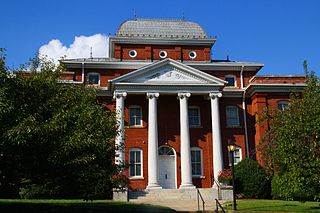
Danbury Historic District is a national historic district located at Danbury, Stokes County, North Carolina. The district encompasses 44 contributing buildings in the central business district and surrounding residential section of Danbury. They were built between about 1860 and 1930 and include notable examples of Queen Anne, Romanesque Revival, and Bungalow architecture. Located in the district and separately listed is the Stokes County Courthouse. Other notable buildings include the County Jail (1904), Petree Store, the Martin Store, Stack-Bickett Law office (1888), Bank of Stokes County, McCannless Hotel, James Pepper House, Wilson Fulton brick house, Samuel H. Taylor House/Hotel, the N. E. Wall House, Baptist Mission Church, Clark Memorial Presbyterian Church, and the Methodist Church.

Mount Airy Historic District is a national historic district located at Mount Airy, Surry County, North Carolina. The district encompasses 187 contributing buildings in the central business district and surrounding industrial and residential sections of Mount Airy. They were primarily built between about 1880 and 1930 and include notable examples of Late Victorian and Bungalow / American Craftsman architecture. Located in the district are the separately listed W. F. Carter House and Trinity Episcopal Church. Other notable buildings include the Abram Haywood Merritt House (1902), William A. Estes House, Thomas Fawcett House, J. D. Sargent House (1919), Campbell A. Baird House (1913), T. Benton Ashby House, First Baptist Church (1906-1912), Mount Airy Friends (1904), Presbyterian Church (1907-1914), Merritt Building, Banner Building (1906), Prather Block, Midkiff Hardware Store, Welch Block, West Drug Store, Belk's Building, (former) Workman's Federal Savings and Loan, (former) First National Bank (1893), Bank of Mount Airy (1923), U.S. Post Office (1932-1933), and the Sparger Brothers Tobacco Factory.
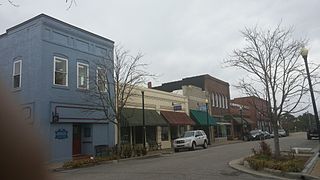
Columbia Historic District is a national historic district located at Columbia, Tyrrell County, North Carolina. It encompasses 119 contributing buildings, 1 contributing structure, and 1 contributing object in the central business district and surrounding residential sections of Columbia. The district developed between about 1880 and 1944 and includes examples of a variety of popular architecture styles. Located in the district is the separately listed Tyrrell County Courthouse. Other notable buildings include Snell's Inn, Columbia Garage, Columbia Christian Church, McClees-Coffield House, Combs-Hussey House, Frederick L. W. Cohoon House, Columbia Baptist Church (1905), W. J. White Building (1931-1932), Columbian Theatre, Wesley United Methodist Church (1912), St. Andrews Episcopal Church (1909), Tyrrell County Jail, Merchants and Farmers Bank / East Carolina Bank, Tyrrell County Bank, and Columbia Theatre.

The Waxhaw Historic District is a national historic district located at Waxhaw, Union County, North Carolina. It encompasses 93 contributing buildings, 3 contributing structures, and 1 contributing object in the central business district and surrounding residential sections of Waxhaw. The district developed between about 1888 and 1940 and includes notable examples of Commercial Style, Queen Anne, and Bungalow / American Craftsman style architecture. Notable buildings include the former Post Office (1905), Harris's store, Tyson Store, A.W. Heath Co. Mill (1905), R.J. Belk Company Store, A.W. Heath Company Stores, Weir Building, Plyler Building, Farmer's Ginning & Trading Company, McDonald Hotel (1912), Waxhaw Presbyterian Church (1929), Duncan McDonald House, and Ralph J. Belk House.

Plymouth Historic District is a national historic district located at Creswell, Washington County, North Carolina. The district encompasses 78 contributing buildings and 3 contributing structures in the central business district and surrounding residential sections of Creswell. It was largely developed between about 1874 and 1952 and includes notable examples of Colonial Revival, American Craftsman and Late Victorian style architecture. Notable buildings include the A. G. Walker Store, A. G. Walker House (1878), Hopkins Hotel (1890), Claude T. Spruill House (1890), Alfred Alexander House (1890), Bateman Store, 0. D. Hatfield Store, Christ Episcopal Church (1898), Creswell Baptist Church, Creswell Episcopal Methodist Church (1918), and Davenport's Market.

Oldenburg Historic District is a national historic district located at Oldenburg and Ray Township, Franklin County, Indiana. The district encompasses 106 contributing buildings, 2 contributing sites, and 6 contributing structures in the central business district and surrounding residential sections of Oldenburg. It developed between about 1837 and 1930, and includes a variety of popular architectural styles. Notable contributing buildings include the Town Hall (1878), Holy Family Church (1862), First Corpus Christi Church, Second Corpus Christi Church, Cemetery Chapel, Convent Chapel (1889-1901), Convent of the Immaculate Conception (1889-1901), Franciscan Monastery (1894), Stone Church (1846-1848), Waechter's Cradle Shop (1845), Oldenburg Lumber Company, Brockman House, George Holtel House, Fischer Tavern, Burdick Building, Hackman Store (1861-1862), Roell Farm House, and Kellerman House.