
Namie Amuro is a retired Japanese singer. She rose to prominence as a teen idol, and transitioned into a leading pop artist due to her versatility across music styles and visual presentation. Due to her career reinventions and longevity, she is known as an icon across Japan and Asia. She has been referred to as the "Queen of Japanese Pop", and her influence domestically has drawn equivalent comparisons to artists such as Janet Jackson and Madonna in Western pop culture.

Queen of Hip-Pop is the seventh studio album by Japanese recording artist Namie Amuro. It was released on July 13, 2005, by Avex Trax. The album's lyrical content, composing and arrangement was handled by multiple music collaborators, such as Nao'ymt, Sugi-V, Michico, Tricky Stewart, T.Kura, among many others. It is her second full-length urban contemporary record, and is made up of songs of various musical genres. Amuro uses the term "hip-pop" to describe the music on the album because it fuses pop music with other genres including R&B and hip-hop music. Three different formats were released to promote the album: a standalone CD, a limited edition Playbutton, and a digital download.

Style is the sixth studio album by Japanese recording artist Namie Amuro. It was released on 10 December 2003, through Avex Trax. Her first studio album in nearly three years, Style follows her crossover into R&B and hip hop that began with the collaborative project Suite Chic in 2002. Although Amuro had dabbled with R&B beats in the past, this is her first original studio album to predominantly feature the actual genre. Style was her first album after the termination of her working relationship with longtime producer, Tetsuya Komuro, as well as her last collaboration with American record producer Dallas Austin to date.

Love Enhanced Single Collection is the second greatest hits album by Japanese singer Namie Amuro. It was released on March 13, 2002, through Avex Trax. This was Amuro's first greatest hits album in about four years, since 181920. It was also her first greatest hits album since her return to the music scene. Although the album is labeled as a "singles collection," nearly all of the songs on the album have been re-recorded, re-mixed, or re-arranged, all of which remain exclusive to this album's release. In addition, only "Lovin' It" was recorded as a single take. The album also contains the last of the work she created with her longtime creative partner Tetsuya Komuro.

Break the Rules is the fifth studio album by Japanese recording artist Namie Amuro, released on December 20, 2000, through Avex Trax. It was released only eleven months after her previous album Genius 2000 (2000). It is her final album working with her long-time producer Tetsuya Komuro, and features American producer Dallas Austin. Break the Rules musically focuses on dance music and R&B.

Concentration 20 is the third studio album by Japanese singer Namie Amuro. It was released on July 24, 1997, by Avex Trax. The album's musical style is a fusion of genres including pop, dance, rock, reggae and ska. Unlike Amuro's previous effort, Sweet 19 Blues (1996), which primarily had lyrics written by Tetsuya Komuro, Concentration 20's lyrics were mostly written by Marc Panther. Komuro did, however, compose and arrange most of the album's songs and wrote the lyrics to three of them. It was Amuro's second solo album since splitting up with Super Monkey's.

Sweet 19 Blues is the second studio album by Japanese singer Namie Amuro. It was released through Avex Trax on July 22, 1996. It is Amuro's first release with the label since leaving Toshiba-EMI, as well as her first album free of material associated with her previous band, Super Monkey's. Sweet 19 Blues was executive produced by Tetsuya Komuro and features a diverse group of collaborators, including Cozy Kubo, Akio Togashi, Takahiro Maeda, M.c.A.T, and Randy Waldman.

"Want Me, Want Me" is the 29th single by Japanese recording artist Namie Amuro. It was released by Avex Trax on April 6, 2005, and was the last single from her seventh studio album, Queen of Hip-Pop (2005). "Want Me, Want Me" was initially supposed to be released as an album track of Queen of Hip-Pop or a coupling song, but Amuro thought it was so good she made it a single despite the opposition of her staff. The song's lyrics were written by Michico, while its music was composed by Sugi-V. Musically, "Want Me, Want Me" is an upbeat reggae-style tune with influences of reggaeton and bhangra music. Lyrically, the song is a provocative song that explores themes of desire, sexual agency, and the pursuit of pleasure.
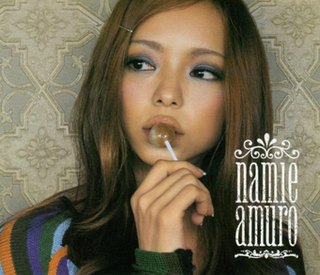
"Girl Talk" is a song by Japanese singer Namie Amuro. Avex Trax released it on digital and physical formats on October 14, 2004, and it is the third single from Amuro's seventh studio album, Queen of Hip-Pop (2005). It was also released as a double A-side with "The Speed Star", though the latter did not appear on the parent album. "Girl Talk" was written and produced by T.Kura and Michico, and is a dance song with R&B and pop influences that, like its parent album, transitions from Amuro's original dance sound to a more mature yet transatlantic sound.

181920 is debut greatest hits album by Japanese singer Namie Amuro. Avex Trax released it in Japan on January 28, 1998, and it was later available in a variety of formats throughout Asia. The album contains Amuro's single releases from her debut studio album Dance Tracks Vol. 1 (1995) to her third album Concentration 20 (1997), as well as three tracks from her time with Toshiba-EMI. The album also included a new song called "Dreaming I Was Dreaming," which served as the only single from the album.

"Can You Celebrate?" is the ninth single by Japanese recording artist Namie Amuro. Serving as the second single from her third studio album Concentration 20, it was released on February 19, 1997, by Avex Trax. Its lyrics and composition was handled solely by Tetsuya Komuro. Musically, "Can You Celebrate?" is a power ballad that incorporates gospel and classical music. Lyrically, the song express a longing for a deep and lasting love, asking if the listener can celebrate and kiss the singer.

"A Walk in the Park" is the eighth single by Japanese recording artist Namie Amuro from her third studio album Concentration 20 (1997). The song was released as the album's lead single on November 27, 1996, by Avex Trax. It was written, composed and produced by Tetsuya Komuro. The song is an electronic rock track, which features instrumentation from guitars, synthesizers, organs, keyboards and drums. Lyrically, it explores themes of loneliness, longing, and the desire for connection.

"Sweet 19 Blues" is the seventh single by Japanese recording artist Namie Amuro. It was composed, written and arranged by Tetsuya Komuro for her debut album of the same name. A month after its release, her label Avex Trax released the song as a recut single due to overwhelming demand. The song's subject and the album in general was about the melancholic passing of another sweet year of youth, which is a particularly Japanese obsession.
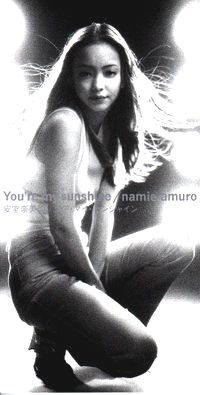
"You're My Sunshine" is the sixth single by Japanese singer Namie Amuro. It was released on June 5, 1996, by Avex Trax and was produced by Tetsuya Komuro. The song was the image song for the Bristol-Myers Squibb "Sea Breeze '96" commercial in which she appeared. The version used in the initial commercial had a different tempo and tune from the CD package version. The following year, 1997, she was used for the second consecutive year in a "Sea Breeze" commercial, this time using her hit song "How to Be a Girl".

"Chase the Chance" is the fourth single by Japanese singer Namie Amuro from her second studio album, Sweet 19 Blues (1996). It was released as the album's second single on December 4, 1995, through Avex Trax.

Best Fiction is the third greatest hits album by Japanese singer Namie Amuro. It was released on July 30, 2008, by Avex Trax and features seventeen singles released between 2002-2008, which included five new songs, three of which were released as a triple A-side single called "60s 70s 80s." Furthermore, the album tracks "Do Me More" and "Sexy Girl" were released as digital singles.

Past<Future is the ninth studio album by Japanese pop singer Namie Amuro. It was released on December 16, 2009, through Avex Trax. This was her first original album to be released in two and a half years. The record came after the release of her blockbuster greatest hits album Best Fiction (2008), which sold over a million copies. Unlike her previous studio albums, Queen of Hip-Pop (2005) and Play (2007), Past<Future features a more electropop and synth-pop sound that was prevalent in the Western music charts at the time.

"Sit! Stay! Wait! Down! / Love Story" is an extended play by Japanese recording artist Namie Amuro from her tenth studio album and debut bilingual album Uncontrolled (2012). The EP contains the songs "Sit! Stay! Wait! Down!" and "Love Story" from the parent album and two new tracks "Higher" and "Arigatou". The EP was produced by Michico, T. Kura, Miriam Nervo, Olivia Nervo, T-SK, Tesung Kim, and Nao'ymt, and is divided into two dance-pop songs and two pop ballads.

Uncontrolled is the tenth studio album by Japanese pop and R&B musician Namie Amuro, released on June 27, 2012. This marks Amuro's first original album in two and a half years since her last album Past<Future (2009) and her first original album for her 20th anniversary of her debut. It was released in three formats: CD+DVD, CD and Playbutton. Uncontrolled consists mostly of songs sung in Japanese, however this was the first album of Amuro's to feature several songs sung entirely in English. "Go Round" and "Yeah-Oh" are songs with entirely English lyrics, and are included under the titles "Go Round " and "Singing "Yeah-Oh!"" respectively. The new songs "In The Spotlight (Tokyo)," "Hot Girls" and "Only You" are also include entirely English lyrics.

Finally is the seventh greatest hits album by Japanese singer Namie Amuro. It was released in a variety of formats by her label Dimension Point on November 8, 2017, and was later distributed to other markets in Asia. It is the singer's final music release upon announcing her retirement from the entertainment industry in September 2018.


