Federal elections were held in Switzerland on 28 October 1928. Although the Social Democratic Party received the most votes, the Free Democratic Party remained the largest party in the National Council, winning 58 of the 198 seats.
Federal elections were held in Switzerland on 25 October 1931. Although the Social Democratic Party received the most votes, the Free Democratic Party remained the largest party in the National Council, winning 52 of the 187 seats.
Federal elections were held in Switzerland on 29 October 1967. The Social Democratic Party remained the largest party in the National Council, winning 50 of the 200 seats.
Federal elections were held in Switzerland on 27 October 1963. The Social Democratic Party emerged as the largest party in the National Council, winning 53 of the 200 seats.
Federal elections were held in Switzerland on 25 October 1959. The Social Democratic Party and the Free Democratic Party emerged as the largest parties in the National Council, each winning 51 of the 196 seats.
Federal elections were held in Switzerland on 30 October 1955. The Social Democratic Party emerged as the largest party in the National Council, winning 53 of the 196 seats.

A referendum on the introduction of women's suffrage in national elections was held in Liechtenstein on 1 July 1984. Following the introduction of female suffrage in neighbouring Switzerland at the federal level after a referendum in 1971, Liechtenstein had been the only remaining European country to deny women the right to vote. Referendums had been held in 1968, 1971 and 1973, but on each occasion voters had rejected its introduction, despite the support of newspapers and both major political parties. Nevertheless, some municipalities had since introduced female suffrage at a local level, starting with Vaduz in 1976, and women had been elected to the local councils of Vaduz and Gamprin in 1983.

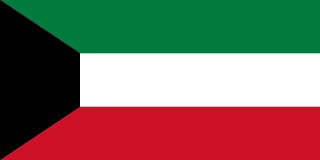
Constitutional Convention elections were held in Kuwait on 30 December 1961, having originally been planned for 1 November. It was the country's first-ever election, and elected a body responsible for drawing up a constitution. Around 40,000 men were eligible to vote, with turnout of registered voters at 90.0%. A total of 74 candidates stood for the 20 elected seats.
Parliamentary elections were held in Kuwait on 23 January 1963. A total of 205 candidates contested the 50 seats, with pro-government candidates emerging as the largest bloc. Voter turnout was 85.0%.
Parliamentary elections were held in Kuwait on 25 January 1967. Pro-government candidates remained the largest bloc in Parliament. Voter turnout was 65.6%.
Parliamentary elections were held in Kuwait on 23 January 1971. A total of 183 candidates contested the election, which saw pro-government candidates remain the largest bloc in Parliament. Voter turnout was 51.6%.
Parliamentary elections were held in Kuwait on 27 January 1975. Around 260 candidates contested the election, which saw pro-government candidates remain the largest bloc in Parliament. Voter turnout was 60.1%.
Parliamentary elections were held in Kuwait on 23 February 1981. A total of 447 candidates contested the election, which saw pro-government candidates remain the largest bloc in Parliament. Voter turnout was 89.8%.
Parliamentary elections were held in Kuwait on 21 February 1985. A total of 231 candidates contested the election, which saw pro-government candidates remain the largest bloc in Parliament. Voter turnout was 85.1%.
Parliamentary elections were held in Kuwait on 20 October 1992. A total of 275 candidates contested the election, which saw independents win the largest number of seats, and candidates opposed to the government win a total of 31 seats. Voter turnout was 83.2%.

Parliamentary elections were held in Kuwait on 23 October 1996. A total of 230 candidates contested the election, which saw pro-government candidates win the largest number of seats. Voter turnout was 83.4%.
Parliamentary elections were held in Kuwait on 4 July 1999. A total of 288 candidates contested the election, which saw pro-government candidates and secular opposition candidates emerge as the two largest blocs in Parliament. Voter turnout was 83.2%.
Federal elections were held in Switzerland on 29 October 1922. The Free Democratic Party remained the largest party in the National Council, winning 60 of the 198 seats.
Federal elections were held in Switzerland on 25 October 1925. The Free Democratic Party remained the largest party in the National Council, winning 60 of the 198 seats.
Federal elections were held in Switzerland on 29 October 1939. The Free Democratic Party emerged as the largest party in the National Council, winning 49 of the 187 seats. Due to the outbreak of World War II, there were no elections in nine of the 25 cantons; Appenzell Ausserrhoden, Lucerne, Neuchâtel, Schwyz, Solothurn, Ticino, Valais, Vaud and Zug. In what became known as "silent elections", a total of 55 candidates were elected unopposed.