Parliamentary elections were held in North Korea on 25 November 1967. Only one candidate was presented in each constituency, all of which were selected by the Workers' Party of Korea, although some ran under the banner of other parties or state organisations to give an appearance of democracy. Voter turnout was reported to be 100%, with 100% voting in favour of the candidates presented.

Parliamentary elections were held in Kuwait on 23 January 1963. A total of 205 candidates contested the 50 seats, with pro-government candidates emerging as the largest bloc. Voter turnout was 85.0%.
Parliamentary elections were held in Kuwait on 25 January 1967. Pro-government candidates remained the largest bloc in Parliament. Voter turnout was 65.6%.
Parliamentary elections were held in Kuwait on 23 January 1971. A total of 183 candidates contested the election, which saw pro-government candidates remain the largest bloc in Parliament. Voter turnout was 51.6%.
Parliamentary elections were held in Kuwait on 27 January 1975. Around 260 candidates contested the election, which saw pro-government candidates remain the largest bloc in Parliament. Voter turnout was 60.1%.
Parliamentary elections were held in Kuwait on 21 February 1985. A total of 231 candidates contested the election, which saw pro-government candidates remain the largest bloc in Parliament. Voter turnout was 85.1%.
Parliamentary elections were held in Kuwait on 20 October 1992. A total of 275 candidates contested the election, which saw independents win the largest number of seats, and candidates opposed to the government win a total of 31 seats. Voter turnout was 83.2%.
National Council elections were held in Kuwait on 10 June 1990. The Council was created by the Emir to try to appease protestors. A total of 574 candidates contested the 50 seats, and although opposition called for a boycott, turnout was 62.3%.

Parliamentary elections were held in Kuwait on 23 October 1996. A total of 230 candidates contested the election, which saw pro-government candidates win the largest number of seats. Voter turnout was 83.4%.
Parliamentary elections were held in Kuwait on 4 July 1999. A total of 288 candidates contested the election, which saw pro-government candidates and secular opposition candidates emerge as the two largest blocs in Parliament. Voter turnout was 83.2%.
Parliamentary elections were held in Bulgaria on 8 June 1986. The Fatherland Front, dominated by the Bulgarian Communist Party, was the only organisation to contest the election; all candidate lists had to be approved by the Front. The Front nominated one candidate for each constituency. Of the 400 candidates 276 were members of the Communist Party, 99 were members of the Bulgarian Agrarian National Union and the remaining 25 were unaffiliated. Voter turnout was reportedly 99.5%.
Parliamentary elections were held in Bulgaria on 27 June 1971, the first held under the new Zhivkov Constitution, which had been approved in a referendum held a month earlier. The Fatherland Front, dominated by the Bulgarian Communist Party, was the only organisation to contest the election; all candidate lists had to be approved by the Front. The Front nominated one candidate for each constituency. Of the 400 candidates 268 were members of the Communist Party, 100 were members of the Bulgarian Agrarian National Union and the remaining 32 were unaffiliated. Voter turnout was reportedly 99.9%.
Parliamentary elections were held in Bulgaria on 24 December 1939, although voting continued in some areas into January 1940. The elections were officially held on a non-partisan basis with the Bulgarian Agrarian National Union and Bulgarian Communist Party banned, and in a process tightly controlled by Tsar Boris III, by then the real power in the country. However, candidates representing parties did contest the elections. Pro-government candidates won a majority of seats. Voter turnout was 67.2%.
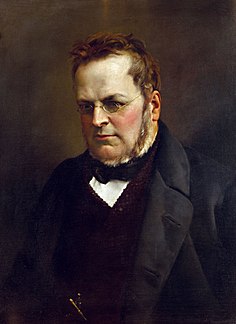
General elections were held in Italy on 27 January 1861, with a second round on 3 February. The newly elected Parliament first convened in Turin on 4 March 1861, where, thirteen days later, it declared the unification of the country as the Kingdom of Italy.

General elections were held in Italy on 29 October 1882, with a second round of voting on 5 November. The "ministerial" left-wing bloc emerged as the largest in Parliament, winning 289 of the 508 seats.

Parliamentary elections were held in Portugal on 1 November 1942. The country was a one-party state at the time and the National Union was the only party to contest the elections, with no opposition candidates allowed to run.

Parliamentary elections were held in Romania on 2 March 1969. The Front of Socialist Unity, which had been formed a year earlier to replace the People's Democratic Front, was the only organization that contested the election; no prospective candidate could run for office without the Front's approval. Like the People's Democratic Front, the Front of Socialist Unity was dominated by the Romanian Communist Party. The Front won all 465 seats in the Great National Assembly.
Parliamentary elections were held in Romania on 9 March 1975. The Front of Socialist Unity, dominated by the Romanian Communist Party and including other mass organisations, was the only organisation that contested the election. No prospective candidate could run for office without the Front's approval. The Front won all 349 seats in the Great National Assembly.
Parliamentary elections were held in Romania on 9 March 1980. The Front of Socialist Unity and Democracy, dominated by the Romanian Communist Party and including other mass organisations, was the only organisation that contested the election. No prospective candidate could run for office without the Front's approval. The Front won all 369 seats in the Great National Assembly.
Parliamentary elections were held in Romania on 17 March 1985. The Front of Socialist Unity, dominated by the Romanian Communist Party and including other mass organisations, was the only organisation that contested the election. No prospective candidate could run for office without the Front's approval. The Front won all 369 seats in the Great National Assembly. These would be the last single-party elections held in Romania; the Communists would be overthrown four years later.