Google Nexus is a discontinued line of consumer electronic mobile devices that ran a stock version of the Android operating system. Google managed the design, development, marketing, and support of these devices, but some development and all manufacturing were carried out by partnering with original equipment manufacturers (OEMs). Alongside the main smartphone products, the line also included tablet computers and streaming media players; the Nexus started out in January 2010 and reached its end in October 2016, replaced by Google Pixel family.

HMD Global is a Finnish independent mobile phone manufacturer. The company is owned by the Luxembourgish holding company Smart Connect GL. The company is made up of the mobile phone business that the Nokia Corporation sold to Microsoft in 2014, then bought back in 2016. HMD began marketing Nokia-branded smartphones and feature phones on 1 December 2016. The company has exclusive rights to the Nokia brand for mobile phones through a licensing agreement. The HMD brand was initially only used for corporate purposes and does not appear in advertising, whereas the name "Nokia Mobile" is used on social media. In January 2024, HMD rebranded to 'Human Mobile Devices' and will use its branding on future devices alongside that of Nokia.

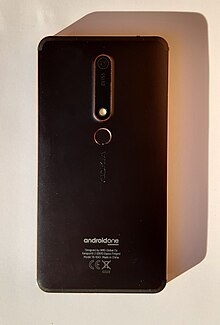
The Nokia 6 is a Nokia-branded mid-range smartphone running on Android. It is the first smartphone from the Finnish company HMD Global, created through the partial divestment of Nokia's devices division; the first Nokia-branded smartphone since the Lumia 638; and the first Nokia-branded Android smartphone since the short-lived Nokia X2 in 2014. The phone was first announced for sale in China on January 8, 2017, with a global version announced the following month.
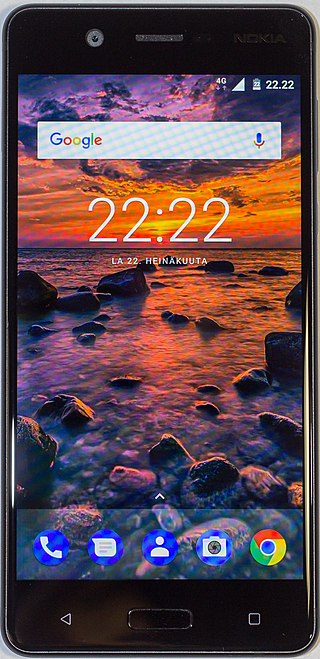
The Nokia 5 is a mid-range Android smartphone by HMD Global. It was announced along with the Nokia 6, Nokia 3, and Nokia 3310 (2017) at the MWC 2017 in Barcelona, Spain.

The Nokia 3 is a Nokia-branded entry-level Android smartphone designed and marketed by HMD Global. It was announced on 26 February 2017, a day before the Mobile World Congress started, along with the Nokia 6, Nokia 5, and Nokia 3310 (2017). The phone receives regular monthly security updates and runs stock Android. Nokia 3.1 and others released after Nokia 3.
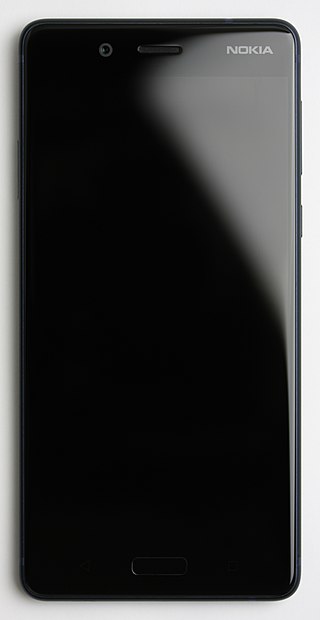
The Nokia 8 is a flagship Nokia-branded smartphone running the Android operating system. Announced on 16 August 2017 in London, England by HMD Global. The phone began sales in Europe in September 2017. Nokia 8 is the first high-end Nokia-branded device since the Nokia Lumia 930 in 2014. An improved version, the Nokia 8 Sirocco, was announced on 25 February 2018 at the Mobile World Congress in Barcelona.
The Nokia 7 is a mid-range Nokia-branded smartphone running Android, by HMD Global. It was launched on 19 October 2017 and was released on 24 October exclusively in China.
The Nokia 2 is a Nokia-branded budget Android smartphone by HMD Global. It was announced on 31 October 2017.
The Nokia 8 Sirocco (TA-1005) is a high-end smartphone by HMD Global, running the Android One variant of Android. It was introduced at MWC in February 2018, and named after the Nokia 8800 Sirocco. The successor of the Nokia 8 Sirocco is the Nokia 9 PureView.
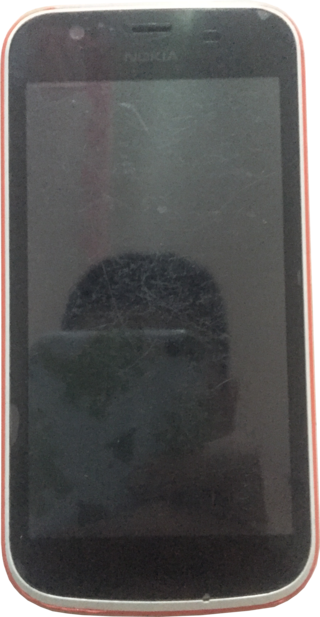
The Nokia 1 is a Nokia-branded budget Android Go smartphone, developed by HMD Global. It was launched at the Mobile World Congress 2018, in Barcelona, Spain on 25 February 2018. This device, along with the Nokia 8 Sirocco, completes the lineup of Nokia-branded Android devices. The phone also has separately sold removable back covers marketed as Xpress-on, a trade-name that first appeared on the Nokia 5110. This was the first time the Xpress-on name was used since the Nokia Lumia 710 in 2012.

The Nokia 7 Plus is a Nokia-branded upper-mid-range smartphone running the Android operating system. It was announced on 25 February 2018, along with four other Nokia-branded phones.
The Nokia 5.1 is a Nokia-branded mid-range smartphone running the Android operating system. It was released in 2018 and is the successor of the Nokia 5.
The Nokia 3.1 is a Nokia-branded entry-level Android smartphone released in May 2018 by HMD Global. It is the successor to Nokia 3. It was launched with Android 8.0 "Oreo", which could be updated to Android 10. The phone is part of Google's Android One program.

The Nokia 9 PureView is a Nokia-branded flagship penta-camera smartphone developed by HMD Global. It was introduced at the 2019 Mobile World Congress (MWC) in Barcelona, Spain as a successor to the Nokia 8 Sirocco. It alludes to Nokia's previous camera-centric PureView devices, which ended with the Lumia 950 and 950 XL. Like most of HMD's Nokia smartphones of the time, the 9 PureView is part of the Android One program.

The Nokia 4.2 is a Nokia-branded entry-level smartphone developed by HMD Global, running the Android operating system, which was released on 14 May 2019.
The Nokia 6.2 is an Android smartphone designed by HMD Global. It was announced at IFA Berlin on 6 September 2019, with two models launching at costs of €199 and €249.
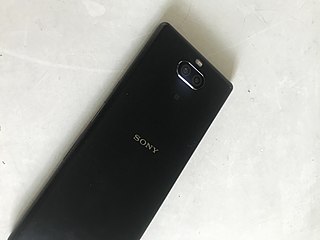
The Sony Xperia 10 and Sony Xperia 10 Plus are Android smartphones marketed and manufactured by Sony. Part of Sony's midrange Xperia series, they were unveiled at the annual Mobile World Congress event on February 25, 2019 alongside the Xperia L3 and Xperia 1.
The Sony Xperia 8 is an Android smartphone marketed and manufactured by Sony. Part of Sony's midrange Xperia series, it was unveiled on October 7, 2019 as a Japan-exclusive device.
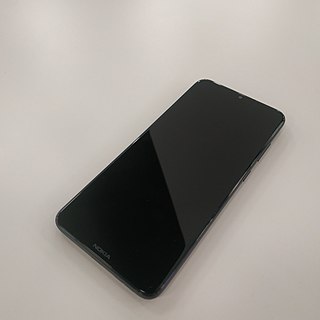
The Nokia 5.3 is a Nokia-branded mid-range smartphone by HMD Global, running Android One. It was announced on March 19, 2020, alongside the Nokia 8.3 5G, Nokia 1.3 and Nokia 5310 (2020).
The Nokia 8.3 5G is a Nokia-branded smartphone released by HMD Global, running the Android One variant of Android. It is HMD's first 5G phone, and was announced on 19 March 2020 alongside the Nokia 5.3, Nokia 1.3, and Nokia 5310 (2020). The Nokia 8.3 5G is claimed by HMD executive Juho Sarvikas to be the first smartphone, which is compatible with every 5G network, operational as of its announcement. It was released in September 2020.