| LVG D.V | |
|---|---|
 | |
| Role | Fighter |
| Manufacturer | LVG |
| Designer | Paul Ehrhardt |
| First flight | summer 1918 |
| Number built | 1 |
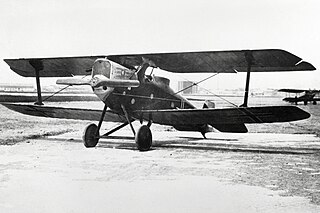
The LVG D.V was a prototype German biplane fighter built by LVG in World War I.
| LVG D.V | |
|---|---|
| | |
| Role | Fighter |
| Manufacturer | LVG |
| Designer | Paul Ehrhardt |
| First flight | summer 1918 |
| Number built | 1 |
The LVG D.V was a prototype German biplane fighter built by LVG in World War I.
The D.V was a single-seat biplane fighter which featured a slab-sided plywood-covered fuselage as well as equal span wings, both of which had straight leading edges and rounded tips, but the upper wing chord was shorter, opposite to normal contemporary practice. The rudder was almond-shaped and carried on a tubular spar, with the entire vertical tail moving. [1]
The D.V made its first flight in the summer of 1918. Tests showed it be very fast yet hard to control; at the end of a test flight in July 1918, the D.V, piloted by its designer Paul Ehrhardt, crash-landed and was badly damaged.
General characteristics
Performance
Armament

The LVG C.VI was a German two-seat reconnaissance and artillery spotting aircraft used during World War I.

The Hansa-Brandenburg W.12 was a German biplane fighter floatplane of World War I. Ernst Heinkel's KDW was redesigned, with a rear cockpit, reshaped tailfin, and rudder.

The Gotha G.VII was a bomber aircraft produced in Germany during the final months of World War I. With the strategic bombing campaign effectively over, it was intended to be a high-speed tactical bomber with a secondary reconnaissance capability.
The Hannover CL.V was a biplane ground-attack aircraft built in Germany during World War I, which saw some service and additional production in Norway following the war.

The LVG C.V was a reconnaissance aircraft produced in large numbers in Germany during World War I.

The BAT F.K.25 Basilisk was a prototype British fighter aircraft of the First World War. A single engined biplane intended to meet a requirement to replace the Sopwith Snipe, the Basilisk was unsuccessful, only three being built.
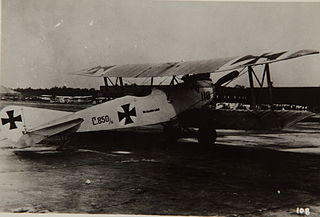
The Albatros C.IV,. was a German military reconnaissance aircraft built in the autumn of 1915 by Albatros Flugzeugwerke. It was a single-engined biplane, and was based on the Albatros C.III, with which it shared many parts. It was eventually abandoned, in favour of the C.V.
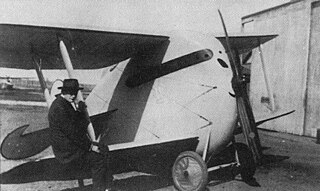
The DFW T.28 Floh was a small German biplane fighter prototype designed by Hermann Dorner, the designer of the successful Hannover CL.II two-seat fighter of 1917, and built by Deutsche Flugzeug-Werke.

The LVG G.III was a large, twin engine triplane bomber built in Germany near the end of World War I. Only one was completed.

The Aviatik C.VIII was a prototype German observation aircraft built by Aviatik in World War I.

The Kondor D 2 was a German single seat, biplane fighter aircraft designed and built close to the end of World War I.
The Halberstadt C.VIII was a prototype two-seat general-purpose biplane built by Halberstadt during World War I.

The Aviatik D.VI was a German prototype single-seater fighter aircraft of the First World War, designed by Aviatik.
The LVG C.VIII was a prototype reconnaissance aircraft built in Germany during World War I.
The LVG D.II was a German fighter plane built by LVG in World War I. It originally flew in 1916, but was damaged during flight tests and never saw production.
The LVG D.III was a German fighter plane built by LVG in World War I.
The LVG D.IV was a German fighter plane built by LVG in World War I.

The LVG D.VI was a prototype German biplane fighter built by LVG in World War I.
The Märkische D.I was a prototype single-seat fighter biplane built in the last months of World War I.

The Hansa-Brandenburg W.16 was a floatplane fighter built in Germany during World War I for the Imperial German Navy.
