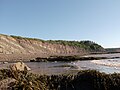
Nova Scotia received over 2 million visitors, generating approximately $3.5 billion in revenue in 2024. [1] The province has two major national parks, Cape Breton Highlands National Park and Kejimkujik National Park. Nova Scotia is also home to three UNESCO World Heritage Sites. The two cultural and one natural site are the town of Lunenberg, the Grand-Pré National Historic Site, and the Joggins fossil cliffs. [2] Nova Scotia is also famous for its numerous historical sites, museums, and natural areas. For the year 2024, visitation to Nova Scotia saw just over 2 million non-resident visitors. [3] Peggy's Cove is regarded as among the most photographed sites in Canada, known for the distinctive Peggys Point Lighthouse. [4]
Contents
- Halifax
- Attractions Outside Halifax
- Eastern Shore
- Transportation in Nova Scotia
- Nova Scotia Tourism Statistics
- Gallery
- References
Halifax, the provincial capital, has several major attractions, such as the Pier 21 museum, Citadel Hill, and the Public Gardens. The Halifax Metro Centre is home to numerous events both sport-related and otherwise, such as the Nova Scotia International Tattoo. Downtown Halifax is considered the prime tourism district in Halifax, with most historic attractions located here as well as the waterfront harbourwalk, a continuous 3 km (2 mi) stretch of boardwalk home to street vendors, entertainers, the Casino Nova Scotia, and the Maritime Museum of the Atlantic. Downtown Halifax is also the location of several major hotels, the Art Gallery of Nova Scotia and historic buildings such as Province House, the provincial legislative building; and Government House, the official residence of the Lieutenant Governor. [5]