List of lichens named by Carl Linnaeus

Last updated

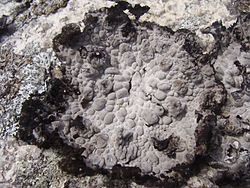
The Swedish taxonomist Carl Linnaeus described 110 lichen species in his various works between 1753 and 1774, chiefly in the first (1753) and second (1763) editions of Species Plantarum , and in later works such as Systema Naturae and Mantissa plantarum. Although Linnaeus showed much less interest in lichens than in flowering plants, he recognized their ecological role as pioneer organisms in primary ecological successions. Contrary to popular belief, [1] [2] [3] he never referred to lichens as the rustici pauperrimi ("the poorest peasants") or "poor trash of nature": that phrase was introduced by Georg Franz Hoffmann in 1787 and later misattributed to Linnaeus himself. [4]

Contents

Of the roughly 2,000 lichen species now known from northern Europe, Linnaeus recognized only about 5% in his treatments. Most of his lichen names were based on material from northern Europe, especially Sweden, with only a handful of species described from specimens collected outside Europe. His lichen accounts were usually brief, consisting of short diagnostic phrases with few details of morphology, variation or ecology when judged against modern species descriptions. Even so, the Linnaean Herbarium at the Linnean Society of London contains 324 sheets with lichens and lichen-like organisms, although not all of these represent original material available to him at the time of publication. [5]

Many of Linnaeus's lichen names are still in use today, though now placed in genera that did not exist in his time, and his species serve as the types for several important lichen genera including Cladonia , Lecidea , Lobaria , Parmelia , Peltigera , Ramalina and Usnea . [5] At the same time, some of his species concepts were broad by modern standards. For example, his Lichen subfuscus and Lichen geographicus each correspond to species complexes that are now divided into several segregate taxa on morphological and molecular grounds. [6] Other Linnaean names have been formally rejected or conserved with different types to preserve prevailing usage and stabilize nomenclature. [5]

The typification and interpretation of Linnaean lichen names has therefore required sustained effort by lichenologists, involving critical study of his specimens, publications and other historical sources to determine the correct application of each name under the International Code of Nomenclature for algae, fungi, and plants. [7] This list assembles all 110 Linnaean names that Linnaeus intended for lichens in the modern sense, regardless of their present status. For each original Linnaean name (the basionym), it records the original year of publication, the current taxonomic status or accepted name, and the year in which the present combination was published. In the "Basionym" column, author citations are omitted because all names in the list were originally published by Linnaeus (abbreviated "L."). The treatment largely follows the typifications and interpretations of Per Magnus Jørgensen, Peter Wilfred James and Charles Edward Jarvis published in 1994, supplemented by later taxonomic revisions and by current usage in major nomenclatural databases such as MycoBank and Index Fungorum.

Lichen taxa described by Carl Linnaeus and their current names
BasionymYear of publicationCurrent name / statusAuthorityYear of recombinationImage
Byssus botryoides [8] 1753 Lichenomphalia umbellifera (L.) Redhead, Lutzoni, Moncalvo & Vilgalys [9] 2008
Lichenomphalia umbellifera (4037729538).jpg
Byssus candelaris [8] 1753 Chrysothrix candelaris (L.) J.R.Laundon [10] 1981
Gold Dust Lichen (3816260916).jpg
Byssus incana [8] 1753 Lepraria incana (L.) Ach. [11] 1803
Lepraria incana a1.jpg
Byssus lacteus [8] 1753Nom. rej. [note 1] N/AN/AN/A
Lichen ampullaceus [18] 1753 Parmelia omphalodes [note 2] (L.) Ach. 1803N/A
Lichen aphtosus [23] 1753 Peltigera aphthosa (L.) Willd. [24] 1787
Common Freckle Pelt (3838490991).jpg
Lichen aquaticus [23] 1753 Dermatocarpon luridum (Dill. ex With.) J.R.Laundon [25] 1984
Streamside Stippleback (4504253631).jpg
Lichen arcticus [23] 1753 Nephroma arcticum (L.) Torss. [26] 1843
Arctic Paw (3599525829).jpg
Lichen articulatus [27] 1753 Usnea articulata (L.) Hoffm. [28] 1796
Usnea articulata Jymm.jpg
Lichen atro-albus [29] 1753Nom. rej. [note 3] N/AN/AN/A
Lichen atro-virens [29] 1753Nom. rej. [note 4] N/AN/AN/A
Lichen barbatus [33] 1753 Usnea barbata (L.) F.H.Wigg. 1780
Usnea barbata.jpg
Lichen burgessii [34] 1774 Leptogium burgessii (L.) Mont. [35] 1840
Lichen byssoides [36] 1767 Baeomyces rufus (L.) P.Gaertn., B.Mey. & Scherb. 1802
Baeomyces rufus 280208a.jpg
Lichen calcareus [37] 1753 Circinaria calcarea (L.) A.Nordin, Savić & Tibell [38] 2010
Circinaria calcarea.jpg
Lichen calicaris [18] 1753 Ramalina calicaris (L.) Röhl. [39] 1813
Ramalina calicaris -- Flora Batava -- Volume v9.jpg
Lichen candelarius [29] 1753 Polycauliona candelaria (L.) Frödén, Arup & Søchting [40] 2013
Xanthoria candelaria G36 (1).JPG
Lichen caninus [41] 1753 Peltigera canina (L.) Willd. [24] 1787
Filtlav (Peltigera canina) i Skymlagardens mark, Sorby sn 2619.jpg
Lichen caperatus [42] 1753 Flavoparmelia caperata (L.) Hale [43] 1986
Flavoparmelia caperata 240112.jpg
Lichen carpineus [29] 1753 Glaucomaria carpinea (L.) S.Y.Kondr., L.Lőkös & Farkas [44] 2019
Lecanora carpinea 61571238.jpg
Lichen centrifugus [45] 1753 Arctoparmelia centrifuga (L.) Hale [46] 1986
Lichen on Nunavut rocks -b.jpg
Lichen chalybeiformis [33] 1753 Bryoria capillaris (L.) Brodo & D.Hawksw. [47] 1977
Bryoria capillaris - Flickr - pellaea (1).jpg
Lichen chrysophthalmus [48] 1771 Teloschistes chrysophthalmus (L.) Th.Fr. 1861
Teloschistes chrysophthalmus. Piuma Ridge.jpg
Lichen ciliaris [49] 1753 Anaptychia ciliaris (L.) Körb. ex A.Massal. 1853
Liquen - lichen - Anaptychia ciliaris (8649694893).jpg
Lichen cinereus [50] 1767 Aspicilia cinerea (L.) Körb. 1855
Aspicilia cinerea - Flickr - pellaea.jpg
Lichen cocciferus [51] 1753 Cladonia coccifera (L.) Willd. 1787
Cladonia coccifera (8105339019).jpg
Lichen corallinus [52] 1767 Lepra corallina (L.) Hafellner 2016
Pertusaria corallina Raz.jpg
Lichen cornucopioides [51] 1753Nom. rej. [note 5] N/AN/AN/A
Lichen cornutus [55] 1753 Cladonia cornuta (L.) Hoffm. 1791
Cladonia cornuta (L.) Hoffm 271270.jpg
Lichen cristatus [56] 1753 Lathagrium cristatum (L.) Otálora, P.M.Jørg. & Wedin2014
Collema cristatum (L.) F.H. Wigg 301188.jpg
Lichen crocatus [57] 1771 Pseudocyphellaria crocata (L.) Vain. 1898
Golden Specklebelly (4503978311).jpg
Lichen croceus [41] 1753 Solorina crocea (L.) Ach. 1808
Chocolate Chip Lichen (3600314062).jpg
Lichen cylindricus [49] 1753 Umbilicaria cylindrica (L.) Delise 1830
Umbilicaria cylindrica T85 (3).JPG
Lichen deformis [55] 1753 Cladonia deformis (L.) Hoffm. 1796
Cladonia deformis - Flickr - pellaea.jpg
Lichen deustus [58] 1753 Umbilicaria deusta (L.) Baumg. 1790
Umbilicaria deusta a1 (2).JPG
Lichen digitatus [55] 1753 Cladonia digitata (L.) Hoffm. 1796
Cladonia digitata T88 (3).JPG
Lichen divaricatus [59] 1767 Evernia divaricata (L.) Ach. 1810
Evernia divaricata.jpg
Lichen ericetorum [29] 1753 Icmadophila ericetorum (L.) Zahlbr. 1895
Fairy Puke (5130537245).jpg
Lichen fagineus [29] 1753 Lepra amara (Ach.) Hafellner 2016
Pertusaria amara SR4.jpg
Lichen fahlunensis [56] 1753Nom. rej. [note 6] style="text-align:center;" | N/AN/AN/A
Lichen farinaceus [18] 1753 Ramalina farinacea (L.) Ach.1810
A lichen - Ramalina farinacea - geograph.org.uk - 1073623.jpg
Lichen fascicularis [36] 1767 Gabura fascicularis (L.) Otálora & Wedin [62] 2013
Gabura fasciculare 92092919.jpg
Lichen fimbriatus [55] 1753 Cladonia fimbriata (L.) Fr. 1831
Cladonia cf. fimbriata (34241713952).jpg
Lichen floridus [27] 1753 Usnea florida (L.) F.H.Wigg. 1780
Usnea florida TSB004674.jpg
Lichen fragilis [63] 1753 Sphaerophorus fragilis (L.) Pers. 1794
Sphaerophorus fragilis TN1 (6).JPG
Lichen fraxineus [18] 1753 Ramalina fraxinea (L.) Ach. 1810
Ramalina fraxinea BPN1 (2).jpg
Lichen fuciformis [42] 1753 Roccella fuciformis (L.) DC. 1805
Roccella fuciformis1.jpg
Lichen furfuraceus [18] 1753 Pseudevernia furfuracea var. furfuracea(L.) Zopf 1903
Pseudevernia furfuracea MS7.jpg
Lichen fusco-ater [37] 1753 Lecidea fuscoatra (L.) Ach. 1803
Lecidea fuscoatra (L.) Ach 271639.jpg
Lichen gelidus [36] 1767 Placopsis gelida (L.) Linds. 1866
Placopsis gelida Morsardalur Iceland.jpg
Lichen geographicus [37] 1753 Rhizocarpon geographicum (L.) DC. 1805
Rhizocarpon geographicum Sudety.jpg
Lichen glaucus [23] 1753 Platismatia glauca (L.) W.L.Culb. & C.F.Culb. [64] 1968
Platismatia glauca - Flickr - pellaea (1).jpg
Lichen globiferus [36] 1767 Sphaerophorus globosus (Huds.) Vain. 1903
Tree Coral (910358764).jpg
Lichen gracilis [55] 1753 Cladonia gracilis (L.) Willd. 1787
Cladonia gracilis (25623158377).jpg
Lichen hirtus [33] 1753 Usnea hirta (L.) F.H.Wigg. 1780
Usnea hirta MS4.jpg
Lichen islandicus [65] 1753 Cetraria islandica subsp. islandica(L.) Ach. 1803
Cetraria islandica - Islandslav.jpg
Lichen islandicus var. tenuissimus [65] 1753 Cetraria aculeata (Schreb.) Fr. 1826
Cetraria aculeata habito.jpg
Lichen jubatus [33] 1753Nom. rej. [note 7] N/AN/AN/A
Lichen juniperinus [42] 1753 Vulpicida juniperinus (L.) J.-E.Mattsson & M.J.Lai1993
Vulpicida juniperinus 84609.jpg
Lichen lacteus [50] 1767 Varicellaria lactea (L.) I.Schmitt & Lumbsch 2012
Species of Varicellaria (10.3897-mycokeys.4.3545) Figure 2E.jpg
Lichen lanatus [33] 1753 Ephebe lanata (L.) Vain. 1888
Ephebe lanata Jymm.jpg
Lichen leucomelos [70] 1763 Leucodermia leucomelos (L.) Kalb2015
Elegant Centipede Lichen (910650686).jpg
Lichen miniatus [41] 1753 Dermatocarpon miniatum var. miniatum(L.) W.Mann 1825
Dermatocarpon miniatum T88.jpg
Lichen nivalis [41] 1753 Nephromopsis nivalis (L.) Divakar, A.Crespo & Lumbsch 2017
Nephromopsis nivalis L Divakar A Crespo Lumbsch 1715447680.jpg
Lichen olivaceus [56] 1753 Melanohalea olivacea (L.) O.Blanco, A.Crespo, Divakar, Essl., D.Hawksw. & Lumbsch 2004
Melanohalea olivacea.jpg
Lichen omphalodes [56] 1753 Parmelia omphalodes (L.) Ach. 1803
Parmelia omphalodes - Flickr - pellaea.jpg
Lichen pallescens [45] 1753 Ochrolechia pallescens (L.) A.Massal. 1853
Lichen parellus [50] 1767 Ochrolechia parella f. parella(L.) A.Massal. 1852
Ochrolechia parella (L.) A. Massal 226293.jpg
Lichen parietinus [56] 1753 Xanthoria parietina var. parietina(L.) Th.Fr. 1860
Xanthoria-parietina-gelbflechte.jpg
Lichen paschalis [71] 1753 Stereocaulon paschale (L.) Hoffm. 1796
Stereocaulon paschaleT87 (6).JPG
Lichen pertusus [72]
Nom. cons. prop. [73]
1767 Pertusaria pertusa (L.) Tuck. 1845
Pertusaria pertusa (Weigel) Tuck 731856.jpg
Lichen physodes [49] 1753 Hypogymnia physodes (L.) Nyl. 1896
Hypogymnia physodes - Blasenflechte - Hesse - Germany - 01.jpg
Lichen plicatus [63] 1753Nom. rej. [note 8] N/AN/AN/A
Lichen polyphyllus [58] 1753 Umbilicaria polyphylla (L.) Baumg. 1790
Umbilicaria polyphylla TN1 (2).JPG
Lichen polyrhizos [58] 1753 Umbilicaria polyrrhiza (L.) Fr. 1825
Botanical Garden Gothenburg and Anggardsbergen 13.08.2017 Umbilicaria polyrrhiza (36573787933).jpg
Lichen proboscideus [58] 1753 Umbilicaria proboscidea (L.) Schrad. 1794
Umbilicaria proboscidea T92 (2).jpg
Lichen prunastri [42] 1753 Evernia prunastri (L.) Ach. 1810
Evernia prunastri G5.JPG
Lichen pubescens [33] 1753 Pseudephebe pubescens (L.) M.Choisy 1930
Pseudephebe pubescens - Flickr - pellaea.jpg
Lichen pulmonarius [65] 1753 Lobaria pulmonaria (L.) Hoffm. [77] 1796
Lobaria pulmonaria 010108c.jpg
Lichen pustulatus [58] 1753 Lasallia pustulata (L.) Mérat 1821
Lasallia pustulata.001 - Islas Cies.JPG
Lichen pyxidatus [51] 1753 Cladonia pyxidata (L.) Hoffm. 1796
Wurzacher Ried (NSG 4.035); Becherflechte an einem Baumstumpf.jpg
Lichen rangiferinus [71] 1753 Cladonia rangiferina (L.) Weber ex F.H.Wigg. 1780
Cladonia rangiferina - Flickr - pellaea.jpg
Lichen rangiferinus var. alpestris [71] 1753 Cladonia stellaris (Opiz) Pouzar & Vězda 1971
Cladonia stellaris, 2007.jpg
Lichen rangiferinus var. sylvaticus [71] 1753 Cladonia portentosa (Dufour) Coem. 1865
Cladonia portentosa.JPG
Lichen resupinatus [23] 1753 Nephroma resupinatum (L.) Ach. [78] 1810
Nephroma1.jpg
Lichen roccella [63] 1753 Roccella tinctoria [note 9] DC. 1805
Rocella tinctoria - orseille - orchil - archil - Farberflechte - Fuerteventura - 02.jpg
Lichen rugosus [37] 1753 Ascodichaena rugosa Butin [82] 1977
Ascodichaena rugosa G39 (3).jpg
Lichen rupicola [50] 1767 Lecanora rupicola var. rupicola(L.) Zahlbr. 1928
White Rim-Lichen (3816809864).jpg
Lichen saccatus [83] 1755 Solorina saccata (L.) Ach. 1808
Solorina saccata Styria.jpg
Lichen sanguinarius [37] 1753 Mycoblastus sanguinarius f. sanguinarius(L.) Norman [84] 1852
Mycoblastus sanguinarius-4.jpg
Lichen saxatilis [45] 1753 Parmelia saxatilis (L.) Ach. [11] 1803
Parmelia saxatilis - Flickr - pellaea.jpg
Lichen scriptus [37] 1753 Graphis scripta (L.) Ach. 1809
Graphis scripta (EU).jpg
Lichen stellaris [49] 1753 Physcia stellaris (L.) Nyl. 1853
Physcia stellaris P34 (6).JPG
Lichen stygius [56] 1753 Melanelia stygia (L.) Essl. [85] 1978
Alpine Camouflage Lichen (2506365717).jpg
Lichen subfuscus [45] 1753Nom. rej. [note 10] N/AN/AN/A
Lichen subulatus [71] 1753 Cladonia subulata (L.) Weber ex F.H.Wigg. 1780
Cladonia subulata - Flickr - pellaea.jpg
Lichen tartareus [29] 1753 Ochrolechia tartarea (L.) A.Massal. 1852
Ochrolechia tartarea (L.) A. Massal 409112.jpg
Lichen uncialis [71] 1753 Cladonia uncialis subsp. uncialis(L.) Weber ex F.H.Wigg. 1780
Cladonia uncialis - Flickr - pellaea.jpg
Lichen upsaliensis [45] 1753 Ochrolechia upsaliensis (L.) A.Massal. 1852
Ochrolechia upsaliensis - Flickr - pellaea.jpg
Lichen usnea [52] 1767 Ramalina usnea (L.) R.Howe 1914
Ramalina usnea - Flickr - pellaea (1).jpg
Lichen velleus [58] 1753 Umbilicaria vellea (L.) Ach. 1794
Umbilicaria vellea-3.jpg
Lichen venosus [23] 1753 Peltigera venosa (L.) Hoffm. 1789
Fan Lichen (3517059457).jpg
Lichen ventosus [29] 1753 Ophioparma ventosa (L.) Norman 1852
Ophioparma ventosa TN1 (2).JPG
Lichen vernalis [90] 1768 Biatora vernalis (L.) Fr. 1822
Biatora vernalis.jpg
Lichen vulpinus [33] 1753 Letharia vulpina (L.) Hue [91] 1899
Letharia vulpina JHollinger crop.jpg
Mucor fulvus [92] 1753 Chaenotheca furfuracea [note 11] (L.) Tibell 1984
Mucor furfuraceus [92] 1753 Chaenotheca furfuracea (L.) Tibell [96] 1984
Chaenotheca furfuracea 67690046.jpg
Mucor lichenoides [92] 1753 Calicium salicinum [note 12] Pers. [99] 1794
Calicium salicinum T91 (4).jpg
Mucor sphaerocephalus [92] 1753 Calicium lenticulare [note 13] Ach. 1816N/A
Tremella lichenoides [101] 1753 Scytinium lichenoides (L.) Otálora, P.M.Jørg. & Wedin [102] 2014
Scytinium lichenoides 175554750.jpg

Glossary

Notes

  1. Byssus lacteus L. was introduced in Species plantarum (1753) from a brief diagnosis and a reference to Dillenius's figure in Historia muscorum. [12] Jørgensen, James and Jarvis found no original material in the Linnaean Herbarium, rejected an earlier typification, and showed that the associated Dillenian material in Oxford represents two species of Ochrolechia that match neither Linnaeus's diagnosis nor the illustration. [13] Because the original material cannot be tied with confidence to any species, they treated Byssus lacteus as a species non satis nota and proposed its rejection under Art. 56 of the Code. [14] [15] The Nomenclature Committee for Fungi accepted this proposal, and Index Fungorum now lists Byssus lacteus as a rejected name (nom. rej.) based on the Dillenian figure as holotype, placing it in Trentepohliaceae (Chlorophyta). [16] [17] The name is not used in lichen taxonomy and has sometimes been misapplied to Lichen lacteus L. (= Pertusaria lactea (L.) F.Arnold). [13] [15]
  2. Lichen ampullaceus L. was described in Species plantarum (1753) from a short diagnosis that cited an illustration in Dillenius's Historia muscorum and a work by van Royen, and Linnaeus appears to have had no material of his own. [19] [20] No corresponding specimen exists in the Linnaean Herbarium, and only an inserted drawing occurs in the Dillenian herbarium. The Dillenian figure was long interpreted as showing monstrous forms of what is now Platismatia glauca infected by parasites, and on that basis Culberson & Culberson treated L. ampullaceus as a rejectable monstrosity under the provisions of the Code then in force, a procedure no longer permitted. Re-examining Dillenius's text and illustration, and a later colour figure by Hoffmann from material Dillenius had sent to Jacquin, Jørgensen, James and Jarvis argued that the morphology and habitat instead match young, opening apothecia of what is now Parmelia omphalodes. [20] They therefore treated Lichen ampullaceus as a later synonym of Lichen omphalodes and designated Dillenius's figure in Historia muscorum as lectotype, with a British Museum specimen collected by James in 1980 as epitype. [21] Index Fungorum follows this treatment, placing the name and its homotypic synonyms in the Parmeliaceae. [22]
  3. Lichen atro-albus L. was introduced in Species plantarum (1753) as a crustose, saxicolous lichen, but no original material is preserved in the Linnaean Herbarium and the brief protologue could apply to several different alpine crusts. [30] Acharius applied the name to a member of the Rhizocarpon badioatrum complex, and later authors used it inconsistently for various lecidioid crusts, so its identity remained unclear and the name fell out of use at species rank. [30] Jørgensen, James and Jarvis therefore treated L. atro-albus as a species non satis nota without a type and proposed its rejection under Art. 56 of the Code. [15] [21] The Nomenclature Committee for Fungi recommended this proposal, and Index Fungorum now lists Lichen atroalbus (without the hyphen) as a formally rejected name (nom. rej.). [16] [31]
  4. Lichen atro-virens L. was introduced in Species plantarum (1753) using the same brief diagnosis that Linnaeus had already published in Flora svecica, with no cited synonyms. It was described simply as a saxicolous crust, and no original material survives in the Linnaean Herbarium, so the name has always been difficult to interpret. [30] During the nineteenth and early twentieth centuries it was applied to various taxa within the Rhizocarpon geographicum complex, but the diagnosis is so general that it could fit almost any member of that group. [15] [30] Runemark therefore treated L. atro-virens as a nomen ambiguum, and the name fell out of regular use. [15] Jørgensen, James and Jarvis regarded it as a species non satis nota without a type and proposed its rejection under Art. 56 of the Code. [15] [21] The Nomenclature Committee for Fungi recommended this proposal, and Index Fungorum now lists Lichen atrovirens (without the hyphen) as a formally rejected name (nom. rej.), with the material historically covered by the name placed within the Rhizocarpon geographicum complex. [16] [32]
  5. Lichen cornucopioides L. was published in Species plantarum (1753) using a diagnostic phrase already employed in Flora svecica, with citations to Flora lapponica and several other works. [53] Only one sheet in the Linnaean Herbarium (LINN 1273.217) bears the relevant cross-references; it consists of a richly branched thallus of Cladonia squamosa glued over a single narrow-cupped podetium that Jørgensen, James and Jarvis interpreted as a young member of the Cladonia cornuta complex, best referred to subsp. groenlandica. [53] Linnaeus, however, described the apothecia of L. cornucopioides as red (coccineus), whereas both this element and the taxa depicted in the cited figures (Cladonia cervicornis subsp. verticillata) have brown apothecia and were probably treated by him as an unnamed variety under Lichen pyxidatus. [53] Because of these inconsistencies, Vainio had already recommended abandoning the name, which has seen virtually no use since his 1887 monograph. [15] Jørgensen, James and Jarvis lectotypified L. cornucopioides on the central podetium of LINN 1273.217 but regarded it as a species non satis nota whose continued availability threatened the well-established name Cladonia groenlandica when treated at species rank, and therefore proposed its rejection under Art. 56 of the Code. [15] [53] The Nomenclature Committee for Fungi supported this proposal, and Index Fungorum now lists Lichen cornucopioides as a rejected name (nom. rej.) with LINN 1273.217 (central specimen) as lectotype. [16] [54]
  6. Lichen fahlunensis L. was published in Species plantarum (1753) using the same diagnostic phrase that Linnaeus had already employed in Flora svecica, with an added reference to Dillenius's Historia muscorum. Several sheets in the Linnaean Herbarium bear the name "fahlunensis", but only LINN 1273.70 carries numerical annotations in Linnaeus's hand that link it to the accounts of L. fahlunensis in Flora svecica and Species plantarum, and its material matches the original description; Jørgensen, James and Jarvis therefore selected it as lectotype. [60] The lectotype belongs to the taxon now known as Melanelia stygia (≡ Parmelia stygia (L.) Ach.), and Schaerer later adopted the epithet "fahlunensis" when uniting L. fahlunensis with L. stygius, a choice that would normally have to be followed under Art. 11.5 of the Code. [15] [60] However, "fahlunensis" has long been used instead for the species now called Cetraria commixta (and in older literature also for C. hepatizon), so reintroducing it for Melanelia stygia would cause serious nomenclatural confusion. [15] [60] Jørgensen, James and Jarvis therefore proposed Lichen fahlunensis for rejection under Art. 56; the Nomenclature Committee for Fungi recommended this proposal, and Index Fungorum now treats L. fahlunensis as a rejected name (nom. rej.) with LINN 1273.70 as lectotype. [16] [61]
  7. Lichen jubatus L. was published in Species plantarum (1753) using an unchanged diagnostic phrase from Flora svecica, with a citation to its earlier treatment in Flora lapponica and several additional synonyms. [66] Two sheets in the Linnaean Herbarium bear this name; Howe selected LINN 1273.281 as lectotype, and Hawksworth later restricted this typification to the left-hand specimen, which carries Linnaeus's annotations linking it to both works. [67] Jørgensen, James and Jarvis interpreted this specimen as a coarse, sparsely branched form of what is now treated as Bryoria cf. fremontii, lacking the characteristic yellow soralia, rather than the taxon understood as Alectoria prolixa by Motyka. [68] Because Lichen jubatus had been applied inconsistently to various brown pendent Bryoria species, Hawksworth and Sherwood proposed its rejection; this was recommended by the Committee for Fungi and Lichens, and the name is now treated as formally rejected (nom. rej.) under Art. 56 of the Code. [66] Index Fungorum lists Lichen jubatus as a rejected name with LINN 1273.281 (left-hand specimen) as lectotype and places the corresponding taxon in the Parmeliaceae. [69]
  8. Lichen plicatus L. was published in Species plantarum (1753) with a diagnostic phrase borrowed from Flora svecica, cited again from Materia medica and Flora lapponica with additional synonyms. [74] No specimen in the Linnaean Herbarium is explicitly labelled with this name; one sheet annotated by Linnaeus as Lichen hirtus and bearing the Flora svecica number of L. plicatus shows that part of his original concept was later absorbed into L. hirtus, while another sheet interpreted by Vainio and Howe as L. plicatus does not fit Linnaeus's broadened later usage. [74] Once the Flora svecica material is reassigned to L. hirtus, the only remaining original element for L. plicatus is Dillenius's illustration in Historia muscorum, which depicts Usnea ceratina, a southern Swedish species rather than a Lapland plant. [15] [74] Because Linnaeus's description is imprecise, the later combination Usnea plicata (L.) F.H.Wigg. was applied to several different taxa in the difficult genus Usnea, and Motyka attempted to revive it for a very rare and poorly known central Swedish entity. [74] [15] Jørgensen, James and Jarvis lectotypified L. plicatus on Dillenius's figure, thereby tying the name to Usnea ceratina, but argued that the confused history of usage and the threat this posed to the well-established name U. ceratina made it preferable to reject L. plicatus under Art. 56 of the Code. [15] [75] Their proposal was recommended by the Nomenclature Committee for Fungi, and Index Fungorum now treats Lichen plicatus as a rejected name (nom. rej.) with the Dillenian plate as lectotype. [16] [76]
  9. Lichen roccella L. was introduced in Species plantarum (1753) for a maritime, fruticose lichen used as a dye. Jørgensen, James and Jarvis located two relevant specimens on LINN 1273.263 and, following Howe's earlier choice of that sheet, restricted the lectotype to the lower specimen, which contains lecanoric acid and represents the sorediate Macaronesian taxon they treated as Roccella patellata (≡ R. tuberculosa var. vincentina). [79] Candolle later introduced Roccella tinctoria DC. as a replacement name (nomen novum) for Lichen roccella, explicitly citing Linnaeus's species, so the two names share the same type; Tehler showed that R. tinctoria is the correct current name for this sorediate species, with R. patellata, R. vincentina and several other names falling into its synonymy. [80] Some modern databases list Roccella phycopsis as the current name for Lichen roccella, but that combination is based on Lichen fucoides Dicks. and applies to a different Atlantic species; Tehler clarified that R. phycopsis is the correct name for R. fucoides, not for Linnaeus's Lichen roccella. [79] [80] [81]
  10. Lichen subfuscus L. was described in Species plantarum (1753) using a diagnostic phrase borrowed from Flora svecica, with "leprosus" altered to "crustaceus", and a single synonym from Dillenius's Historia muscorum. No original material in the Linnaean Herbarium bears this name. Motyka later designated a neotype in the Acharius herbarium (UPS), but because Dillenius's figure is original material available to Linnaeus, it has priority for lectotypification. [86] Brodo and Vitikainen accordingly selected Dillenius's plate XVIII, figure 16 as lectotype and identified the corresponding Dillenian specimen as part of the Lecanora subfusca complex, most plausibly referable to Lecanora horiza, although earlier authors had treated it as L. allophana. [86] [87] Since its introduction, Lichen subfuscus / Lecanora subfusca has been used in a broad and ambiguous way for both corticolous and saxicolous lichens, giving rise to around eighty infraspecific taxa; workers have disagreed over which element represented the "typical" taxon, and Magnusson and others largely abandoned the name as unworkable. [87] Brodo and Vitikainen therefore proposed that L. subfuscus be treated as a long-persistent nomen ambiguum and placed on the list of rejected names, arguing that reinstating it in place of the well-established L. allophana would replace a stable name with a confused one. [87] Their proposal was recommended by the Nomenclature Committee and approved by the General Committee, and Index Fungorum now treats Lichen subfuscus as a rejected name (nom. rej.) with the Dillenian figure as lectotype. [88] [89]
  11. Mucor fulvus L. was introduced in Species plantarum (1753) with a new diagnostic phrase and no cited synonyms. No original material is preserved in the Linnaean Herbarium, and the description is too imprecise to identify the species with confidence. [93] Linnaeus clearly intended a yellow calicioid lichen, and Zahlbruckner treated the name as a form of what is now Chaenotheca furfuracea, but the epithet "fulvus" suggests a more tawny yellow-brown thallus, such as in Chaenotheca chrysocephala, so its identity remains uncertain. [15] [93] Jørgensen, James and Jarvis therefore regarded M. fulvus as a species non satis nota not in current use and proposed it for rejection under Art. 56 of the Code. [15] [94] The Nomenclature Committee for Fungi supported this proposal, and Index Fungorum now lists Mucor fulvus as a rejected name (nom. rej.), treating it as an obsolete synonym of Chaenotheca furfuracea and citing a Solander collection from Sweden as lectotype. [16] [95]
  12. Mucor lichenoides L. was published in Species plantarum (1753) using a diagnostic phrase already employed in Flora svecica, with "lentiformi" altered to "lenticulari" and a single synonym from Dillenius's Historia muscorum. Linnaeus left no annotated material in the Linnaean Herbarium, but the Dillenian specimen corresponding to the cited figure consists of two calicioid lichens, Calicium viride and C. calicioid salicinum. [97] Because Linnaeus's protologue does not mention a green thallus, Jørgensen, James and Jarvis interpreted the name via the smaller, lower specimen, which has a grey thallus, matches the illustration and represents C. calicioid salicinum; Dillenius had reversed the thallus colours of the two species in his text. [97] They therefore selected Dillenius's plate XIV, figure 3 (lower specimen) as lectotype, making the later combination Calicium lichenoides (L.) Schumach. the oldest available name for this species under the Code. [94] [15] The epithet lichenoides fell out of use early in the twentieth century, whereas Calicium salicinum Pers. has long been the accepted and well-established name for the species. Reintroducing C. lichenoides in place of C. salicinum would replace a stable name with one largely abandoned, so Jørgensen, James and Jarvis proposed Mucor lichenoides for rejection under Art. 56. [15] Their proposal was recommended by the Nomenclature Committee for Fungi and accepted by the General Committee, and Index Fungorum now lists Mucor lichenoides as a rejected name (nom. rej.), with the Dillenian figure as lectotype and Calicium salicinum retained as the current name in use. [16] [98]
  13. Mucor sphaerocephalus L. was described in Species plantarum (1753) using an unchanged diagnostic phrase from Flora svecica and with a citation to Haller's 1717 illustration. [97] No original specimens are preserved in the Linnaean Herbarium, and Linnaeus's account in Flora svecica shows that he lumped together several discordant elements, including a fungus on Mesembryanthemum in the Uppsala botanical garden and material from walls and stones. [97] Haller's plate depicts two quite different organisms: figure 3A, with a grey, fluffy, spherical head, most likely a myxomycete (or possibly a Coniocybe), and figure 3B, with a cup-shaped blackish head, a Calicium that does not match Linnaeus's description of grey-headed (capitula cineria) plants. [15] [97] Linnaeus therefore seems to have intended the myxomycete-like figure 3A, but without original material its identity cannot be determined with certainty, and the name never came into general use; Acharius already concluded in 1816 that there was no point in maintaining it. [97] [15] Jørgensen, James and Jarvis treated M. sphaerocephalus as a species non satis nota and proposed the basionym for rejection under Art. 56, a proposal later recommended by the Nomenclature Committee for Fungi and accepted by the General Committee. [94] [15] [16] Index Fungorum now lists Mucor sphaerocephalus as a rejected name (nom. rej.) with Haller's figure as lectotype and associates it with the well-established calicioid lichen Calicium lenticulare. [100]

References

  1. Plitt, Charles C. (1919). "A short history of lichenology". The Bryologist. 22 (6): 77. doi:10.2307/3238526. JSTOR   3238526.
  2. Kantvilas, Gintaras (1983). "A brief history of lichenology in Tasmania". Papers and Proceedings of the Royal Society of Tasmania. 117: 41–51. doi:10.26749/RSTPP.117.41.
  3. Galloway, David J. (2008). "Austral lichenology: 1690–2008". New Zealand Journal of Botany. 46 (4): 433–521. doi:10.1080/00288250809509781.
  4. Jørgensen, Per M.; Lücking, Robert (2018). "The 'Rustici Pauperrimi': A Linnaean Myth about Lichens Rectified" (PDF). The Linnean. 34 (1): 9–12.
  5. 1 2 3 Jørgensen, James & Jarvis 1994, p. 262.
  6. Roca-Valiente, Beatriz; Hawksworth, David L.; Pérez-Ortega, Sergio; Sancho, Leopoldo G.; Crespo, Ana (2016). "Type studies in the Rhizocarpon geographicum group (Rhizocarpaceae, lichenized Ascomycota)". The Lichenologist. 48 (2): 97–110. doi:10.1017/S002428291500050X.
  7. Jørgensen, James & Jarvis 1994, pp. 262–269.
  8. 1 2 3 4 Linnaeus 1753, p.  1169.
  9. Redhead, S.A.; Lutzoni, F.; Moncalvo, J.M.; Vilgalys, R. (2002). "Phylogeny of agarics: partial systematics solutions for core omphalinoid genera in the Agaricales (euagarics)". Mycotaxon. 83: 19–57.
  10. Laundon, J.R. (1981). "The species of Chrysothrix". The Lichenologist. 13 (2): 101–121. doi:10.1017/s0024282981000169.
  11. 1 2 Acharius, Erik (1803). Methodus qua omnes detectos Lichenes : secundum organa carpomorpha, ad genera, species et varietates [Method by which all known lichens, according to their fruiting organs, are arranged into genera, species and varieties] (in Latin). Stockholm: F. D. D. Ulrich. p. 4. doi:10.5962/bhl.title.79411.
  12. Linnaeus 1753, p. 1169.
  13. 1 2 Jørgensen, James & Jarvis 1994, pp. 271–272.
  14. Jørgensen, James & Jarvis 1994, p. 371.
  15. 1 2 3 4 5 6 7 8 9 10 11 12 13 14 15 16 17 18 19 20 Jørgensen, Per M.; James, Peter W.; Jarvis, Charles E. (1994). "(1112–1137) Proposals to reject or conserve 26 Linnaean names of lichenized ascomycetes". Taxon. 43 (4): 646–654. doi:10.2307/1223554.
  16. 1 2 3 4 5 6 7 8 9 Gams, Walter (1996). "Report of the Committee for Fungi: 6". Taxon. 45 (2): 309–311. doi:10.2307/1224675 . Retrieved 31 December 2025.
  17. "Record Details: Byssus lacteus L. [as 'lactea'], Sp. pl. 2: 1169 (1753)". Index Fungorum . Retrieved 31 December 2025.
  18. 1 2 3 4 5 Linnaeus 1753, p.  1146.
  19. Linnaeus 1753, p. 1146.
  20. 1 2 Jørgensen, James & Jarvis 1994, pp. 272–273.
  21. 1 2 3 Jørgensen, James & Jarvis 1994, p. 372.
  22. "Record Details: Lichen ampullaceus L., Sp. pl. 2: 1146 (1753)". Index Fungorum . Retrieved 31 December 2025.
  23. 1 2 3 4 5 6 Linnaeus 1753, p.  1148.
  24. 1 2 Willdenow, Caroli Ludovici (1787). Florae Berolinensis Prodromus [Prodromus of the Berlin flora] (in Latin). Berlin: Impensis Wilhelmi Viewegii. p. 347.
  25. Laundon, J.R. (1984). "The typification of Withering's neglected lichens". The Lichenologist. 16 (3): 211–239. doi:10.1017/s002428298400044x.
  26. Torssell, G. (1843). Enumeratio Lichenum et Byssaceorum Scandinaviae[Enumeration of the Lichens and Byssaceous Fungi of Scandinavia] (in Latin).
  27. 1 2 Linnaeus 1753, p.  1156.
  28. Hoffmann 1796, p.  133.
  29. 1 2 3 4 5 6 7 8 Linnaeus 1753, p.  1141.
  30. 1 2 3 4 Jørgensen, James & Jarvis 1994, p. 277.
  31. "Record Details: Lichen atroalbus L. [as 'atro-albus'], Sp. pl. 2: 1141 (1753)". Index Fungorum . Retrieved 31 December 2025.
  32. "Record Details: Lichen atrovirens L. [as 'atro-virens'], Sp. pl. 2: 1141 (1753)". Index Fungorum . Retrieved 31 December 2025.
  33. 1 2 3 4 5 6 7 Linnaeus 1753, p.  1155.
  34. Linnaeus 1774, p.  807.
  35. Webb, P.B.; Berthelot, S. (1840). Histoire naturelle des Iles Canaries [Natural history of the Canary Islands] (in French). Vol. 3. p. 130.
  36. 1 2 3 4 Linnaeus 1767, p.  133.
  37. 1 2 3 4 5 6 Linnaeus 1753, p.  1140.
  38. Nordin, Anders; Savić, Sanja; Tibell, Leif (2010). "Phylogeny and taxonomy of Aspicilia and Megasporaceae". Mycologia. 102 (6): 1339–1349. doi:10.3852/09-266. JSTOR   27920439. PMID   20943564.
  39. Röhling, J.C. (1813). Deutschlands Flora. Ein botanisches Handbuch. Zweite Ausgabe[Germany's flora. A botanical handbook. Second edition] (in German). Vol. 3. p. 139.
  40. Arup, Ulf; Søchting, Ulrik; Frödén, Patrik (2013). "A new taxonomy of the family Teloschistaceae". Nordic Journal of Botany. 31 (1): 16–83. doi:10.1111/j.1756-1051.2013.00062.x.
  41. 1 2 3 4 Linnaeus 1753, p.  1149.
  42. 1 2 3 4 Linnaeus 1753, p.  1147.
  43. Hale, M.E. (1986). "Flavoparmelia, a new genus in the lichen family Parmeliaceae (Ascomycotina)". Mycotaxon. 25 (2): 603–605.
  44. Kondratyuk, S.Y.; Lőkös, L.; Jang, S.-H.; Hur, J.-S.; Farkas, E. (2019). "Phylogeny and taxonomy of Polyozosia, Sedelnikovaea and Verseghya of the Lecanoraceae (Lecanorales, lichen-forming Ascomycota)" (PDF). Acta Botanica Hungarica. 61 (1–2): 137–184. doi:10.1556/034.61.2019.1-2.9.
  45. 1 2 3 4 5 Linnaeus 1753, p.  1142.
  46. Hale, M.E. (1986). "Arctoparmelia, a new lichen genus in the Parmeliaceae". Mycotaxon. 25 (1): 251–254.
  47. Brodo, I.M.; Hawksworth, D.L. (1977). "Alectoria and allied genera in North America". Opera Botanica. 42: 1–164.
  48. Linnaeus 1771, p.  311.
  49. 1 2 3 4 Linnaeus 1753, p.  1144.
  50. 1 2 3 4 Linnaeus 1767, p.  132.
  51. 1 2 3 Linnaeus 1753, p.  1151.
  52. 1 2 Linnaeus 1767, p.  131.
  53. 1 2 3 4 Jørgensen, James & Jarvis 1994, p. 296.
  54. "Record Details: Lichen cornucopioides L., Sp. pl. 2: 1151 (1753)". Index Fungorum . Retrieved 31 December 2025.
  55. 1 2 3 4 5 Linnaeus 1753, p.  1152.
  56. 1 2 3 4 5 6 Linnaeus 1753, p.  1143.
  57. Linnaeus 1771, p.  310.
  58. 1 2 3 4 5 6 Linnaeus 1753, p.  1150.
  59. Linnaeus 1767b, p.  713.
  60. 1 2 3 Jørgensen, James & Jarvis 1994, pp. 307–308.
  61. "Record Details: Lichen fahlunensis L., Sp. pl. 2: 1143 (1753)". Index Fungorum . Retrieved 31 December 2025.
  62. Jørgensen, P.M. (2014). "Taxonomy and nomenclature of Collema fasciculare (L.) G. H. Weber". The Lichenologist. 46 (4): 594.
  63. 1 2 3 Linnaeus 1753, p.  1154.
  64. Culberson, William Louis; Culberson, Chicita F. (1968). The Lichen Genera Cetrelia and Platismatia (Parmeliaceae). Contributions from the United States National Herbarium. Vol. 34. Washington: Smithsonian Institution Press. pp. 449–558.
  65. 1 2 3 Linnaeus 1753, p.  1145.
  66. 1 2 Jørgensen, James & Jarvis 1994, p. 324.
  67. Hawksworth, D.L. (1970). "Chemical and nomenclatural notes on Alectoria (Lichenes) II". Taxon. 19 (2): 237–243. doi:10.2307/1217959.
  68. Jørgensen, James & Jarvis 1994, pp. 324–325, 377.
  69. "Record Details: Lichen jubatus L., Sp. pl. 2: 1155 (1753)". Index Fungorum . Retrieved 31 December 2025.
  70. Linnaeus 1763, p.  1613.
  71. 1 2 3 4 5 6 Linnaeus 1753, p.  1153.
  72. Linnaeus 1767, p.  131.
  73. "Record Details: Lichen pertusus L., Mant. Pl. 1: 131 (1767)". Index Fungorum . Retrieved 31 December 2025.
  74. 1 2 3 4 Jørgensen, James & Jarvis 1994, pp. 338–339.
  75. Jørgensen, James & Jarvis 1994, p. 379.
  76. "Record Details: Lichen plicatus L., Sp. pl. 2: 1150 (1753)". Index Fungorum . Retrieved 31 December 2025.
  77. Hoffmann 1796, p.  146.
  78. Acharius, Erik (1810). Lichenographia Universalis [Universal lichenography] (in Latin). Göttingen: Apud Iust. Frid. Danckwerts. p. 521.
  79. 1 2 Jørgensen, James & Jarvis 1994, p. 380.
  80. 1 2 Tehler, Anders (2002). "On the typification of two misunderstood Roccella (lichenized fungi) names, R. tinctoria and R. fucoides". Taxon. 51 (4): 787–790. doi:10.2307/1555038.
  81. Tehler, Anders (2003). "Roccella phycopsis the correct name for R. fucoides (lichenized fungi)". Taxon. 52 (3): 621–621. doi:10.2307/3647467.
  82. Butin, H. (1977). "Taxonomy and morphology of Ascodichaena rugosa gen. et sp. nov". Transactions of the British Mycological Society. 69 (2): 249–254. doi:10.1016/S0007-1536(77)80045-4.
  83. Linnaeus 1755, p.  419.
  84. Norman, J.M. (1852). "Conatus praemissus redactionis novae generum nonnullorum Lichenum in organis fructificationes vel sporis fundatae" [The attempt to establish new genera of lichens based on their fruiting bodies or spores]. Nytt Magazin for Naturvidenskapene (in Latin). 7: 213–252 [237].
  85. Esslinger, T.L. (1978). "A new status for brown Parmeliae". Mycotaxon. 7 (1): 45–54.
  86. 1 2 Jørgensen, James & Jarvis 1994, pp. 357–358.
  87. 1 2 3 Vitikainen, Orvo; Brodo, Irwin M. (1985). "(792) Proposal to reject Lichen subfuscus L. (lichenized fungi)". Taxon. 34 (3): 533. doi:10.2307/1221237. JSTOR   1221237.
  88. Nicolson, Dan H.; Gams, Walter (1992). "Report of the Committee for Fungi and Lichens: new series, 2". Taxon. 41 (1): 99–150. doi:10.2307/1222499. JSTOR   1222499.
  89. "Record Details: Lichen subfuscus L., Sp. pl. 2: 1142 (1753)". Index Fungorum . Retrieved 31 December 2025.
  90. Linnaeus 1768, p.  234.
  91. Hue, A. (1899). "Lichenes extra-Europaei" [Extra-European lichens]. Nouvelles Archives du Museum d'Histoire Naturelle. 4 (in Latin). 1: 27–220 [57].
  92. 1 2 3 4 Linnaeus 1753, p.  1185.
  93. 1 2 Jørgensen, James & Jarvis 1994, p. 367.
  94. 1 2 3 Jørgensen, James & Jarvis 1994, p. 383.
  95. "Record Details: Mucor fulvus L., Sp. pl. 2: 1185 (1753)". Index Fungorum . Retrieved 31 December 2025.
  96. Tibell, Leif (1984). A Reappraisal of the Taxonomy of Caliciales. Beihefte zur Nova Hedwigia. Vol. 79. J. Cramer. p. 664.
  97. 1 2 3 4 5 6 Jørgensen, James & Jarvis 1994, p. 369.
  98. "Record Details: Mucor lichenoides L., Sp. pl. 2: 1185 (1753)". Index Fungorum . Retrieved 31 December 2025.
  99. Persoon, C.H. (1794). "Einige Bemerkungen über die Flechten: nebst Beschreibungen einiger neuen Arten aus dieser Familie der Asermoose" [Some remarks on the lichens: together with descriptions of some new species from this family of Ascomycetes]. Annalen der Botanik (Usteri) (in German). 7: 1–32.
  100. "Record Details: Mucor sphaerocephalus L., Sp. pl. 2: 1185 (1753)". Index Fungorum . Retrieved 31 December 2025.
  101. Linnaeus 1753, p.  1157.
  102. Otálora, Mónica A.G.; Jørgensen, Per M.; Wedin, Mats (2013). "A revised generic classification of the jelly lichens, Collemataceae". Fungal Diversity. 64 (1): 275–293. doi:10.1007/s13225-013-0266-1.

Cited literature