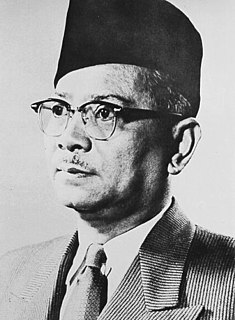
| |||||||||||||||||||||||||||||||||||||||||||||||||||||||||||||||||||||||||||||||||||||||||||||
All 104 seats to the Dewan Rakyat 53 seats needed for a majority | |||||||||||||||||||||||||||||||||||||||||||||||||||||||||||||||||||||||||||||||||||||||||||||
|---|---|---|---|---|---|---|---|---|---|---|---|---|---|---|---|---|---|---|---|---|---|---|---|---|---|---|---|---|---|---|---|---|---|---|---|---|---|---|---|---|---|---|---|---|---|---|---|---|---|---|---|---|---|---|---|---|---|---|---|---|---|---|---|---|---|---|---|---|---|---|---|---|---|---|---|---|---|---|---|---|---|---|---|---|---|---|---|---|---|---|---|---|---|
| Registered | 2,177,650 | ||||||||||||||||||||||||||||||||||||||||||||||||||||||||||||||||||||||||||||||||||||||||||||
| Turnout | 1,564,575 (73.3%) | ||||||||||||||||||||||||||||||||||||||||||||||||||||||||||||||||||||||||||||||||||||||||||||
| |||||||||||||||||||||||||||||||||||||||||||||||||||||||||||||||||||||||||||||||||||||||||||||
| |||||||||||||||||||||||||||||||||||||||||||||||||||||||||||||||||||||||||||||||||||||||||||||


A general election was held on Wednesday, 19 August 1959 for members of the first Parliament of the Federation of Malaya, [1] the first parliamentary election in Malaya. It was the third national-wide election held in Malaya since the end of World War II. Malaya later formed Malaysia with three other states in 1963. Voting took place in all 104 parliamentary constituencies of Malaya, each electing one Member of Parliament to the Dewan Rakyat, the dominant house of Parliament. Voter turnout was 73.3%.

World War II, also known as the Second World War, was a global war that lasted from 1939 to 1945. The vast majority of the world's countries—including all the great powers—eventually formed two opposing military alliances: the Allies and the Axis. A state of total war emerged, directly involving more than 100 million people from over 30 countries. The major participants threw their entire economic, industrial, and scientific capabilities behind the war effort, blurring the distinction between civilian and military resources. World War II was the deadliest conflict in human history, marked by 50 to 85 million fatalities, most of whom were civilians in the Soviet Union and China. It included massacres, the genocide of the Holocaust, strategic bombing, premeditated death from starvation and disease, and the only use of nuclear weapons in war.
Malaysia is a country in Southeast Asia. The federal constitutional monarchy consists of 13 states and three federal territories, separated by the South China Sea into two similarly sized regions, Peninsular Malaysia and East Malaysia. Peninsular Malaysia shares a land and maritime border with Thailand and maritime borders with Singapore, Vietnam, and Indonesia. East Malaysia shares land and maritime borders with Brunei and Indonesia and a maritime border with the Philippines and Vietnam. Kuala Lumpur is the national capital and largest city while Putrajaya is the seat of federal government. With a population of over 30 million, Malaysia is the world's 44th most populous country. The southernmost point of continental Eurasia, Tanjung Piai, is in Malaysia. In the tropics, Malaysia is one of 17 megadiverse countries, with large numbers of endemic species.
Contents
- Timelines
- Dewan Rakyat
- State legislative assemblies
- Results
- Dewan Rakyat 2
- State Assemblies
- References
- External links
In the election, the Alliance Party – later Barisan Nasional – emerged as the victor. The party was a coalition formed by United Malays National Organisation, Malayan Chinese Association and Malayan Indian Congress. The coalition won 74 out of 104 seats in the Dewan Rakyat with only 51.8% of total votes. The opposition as a whole garnered 30 seats with 48.3% of total votes.

The National Front is a political coalition in Malaysia that was founded in 1973 as a coalition of right-wing and centre parties. They are currently the largest opposition coalition in the country's Dewan Rakyat.

The United Malays National Organisation is Malaysia's main opposition political party. It is a founding member of the Barisan Nasional coalition which, with its predecessor the Alliance, had been the government of Malaysia and dominated the country's politics from independence until 2018. Until then, all of Malaysia's Prime Ministers had been members of UMNO, until Mahathir Mohamad became the first prime minister from Pakatan Harapan, and the first prime minister to have tenures with two different parties.

The Dewan Rakyat is the lower house of the Parliament of Malaysia, consisting of members elected during elections from federal constituencies drawn by the Election Commission.
The 71.1% majority allowed Alliance Party to form a government as sanctioned by the Constitution of Malaya.
The Federal Constitution of Malaysia, which came into force in 1957, is the supreme law of Malaysia. The Federation was initially called the Federation of Malaya and it adopted its present name, Malaysia, when the States of Sabah, Sarawak and Singapore became part of the Federation. The Constitution establishes the Federation as a constitutional monarchy having the Yang di-Pertuan Agong as the Head of State whose roles are largely ceremonial. It provides for the establishment and the organisation of three main branches of the government: the bicameral legislative branch called the Parliament, which consists of the House of Representatives and the Senate ; the executive branch led by the Prime Minister and his Cabinet Ministers; and the judicial branch headed by the Federal Court.
When results were announced on the morning of 20 August, only 103 seats were returned as elections in the Kedah Tengah (Central Kedah ) constituency was delayed until 30 September. [2] The Alliance proceeded to win this seat with Khir Johari as the winning candidate.

Kedah, also known by its honorific Darul Aman or "Abode of Peace", is a state of Malaysia, located in the northwestern part of Peninsular Malaysia. The state covers a total area of over 9,000 km², and it consists of the mainland and the Langkawi islands. The mainland has a relatively flat terrain, which is used to grow rice, while Langkawi is an archipelago, most of which are uninhabited islands.
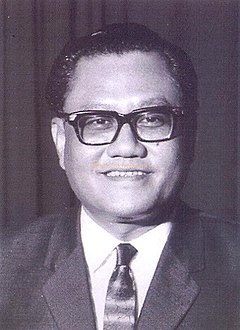
Tan Sri Dato' Paduka Md Khir Johari was a Malaysian politician and the former Malaysian Minister of Education.
Prior to the parliamentary election, state elections took place in all 282 state constituencies in 11 states of Malaya from 20 May to 24 June 1959, each electing one Member of the Legislative Assembly to the Dewan Undangan Negeri.
Three Alliance candidates were returned unopposed.