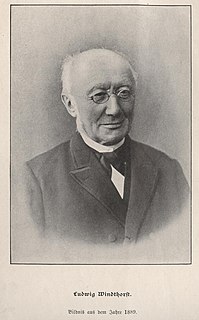
Federal elections were held in Germany on 20 February 1890. The Centre Party regained its position as the largest party in the Reichstag by winning 106 of the 397 seats, whilst the National Liberal Party, formerly the largest party, was reduced to 42 seats. Despite receiving the most votes, the Social Democratic Party won only 35 seats. Voter turnout was 71.5%.
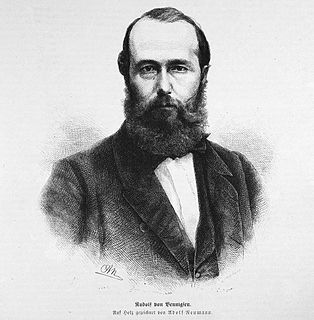
Federal elections were held in Germany on 10 January 1874. The National Liberal Party remained the largest party in the Reichstag, with 155 of the 397 seats. Voter turnout was 61.2%.

Folketing elections were held in Denmark on 28 October 1947, except in the Faroe Islands where they were held on 18 February 1948. The Social Democratic Party remained the largest in the Folketing, with 57 of the 150 seats. Voter turnout was 85.8% in Denmark proper and 60.1% in the Faroes.
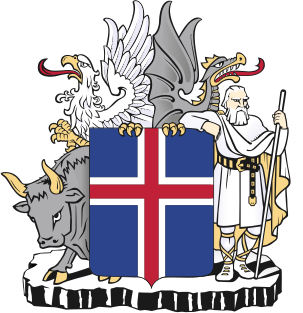
Parliamentary elections were held in Iceland on 25 April 1987. The Independence Party remained the largest party in the Lower House of the Althing, winning 12 of the 42 seats.
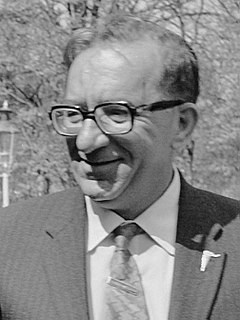
General elections were held in Malta between 12 and 14 June 1971. The Malta Labour Party emerged as the largest party, winning 28 of the 55 seats.
Federal elections were held in Switzerland on 28 October 1928. Although the Social Democratic Party received the most votes, the Free Democratic Party remained the largest party in the National Council, winning 58 of the 198 seats.
Federal elections were held in Switzerland on 25 October 1931. Although the Social Democratic Party received the most votes, the Free Democratic Party remained the largest party in the National Council, winning 52 of the 187 seats.
Federal elections were held in Switzerland on 25 October 1959. The Social Democratic Party and the Free Democratic Party emerged as the largest parties in the National Council, each winning 51 of the 196 seats.

General elections were held in Malta between 17 and 19 February 1962. The Nationalist Party emerged as the largest party, winning 25 of the 50 seats.
General elections were held in Malta between 25 and 27 October 1947. They were the first elections held under universal suffrage for women and Agatha Barbara became the first woman elected to Parliament. These elections saw the Labour Party win 24 of the 40 seats.

Parliamentary elections were held in Norway on 17 October 1927. The result was a victory for the Labour Party, which won 59 of the 150 seats in the Storting.
Constitutional Assembly elections were held in Bulgaria on 10 June 1990, with a second round for eighteen seats on 17 June. They were the first elections held since the fall of Communism the previous winter, and the first free national elections since 1931. The elections were held to elect the 7th Grand National Assembly, tasked with adopting a new (democratic) constitution. The new electoral system was changed from 400 single-member constituencies used during the Communist era to a split system whereby half were elected in single member constituencies and half by proportional representation. The result was a victory for the Bulgarian Socialist Party, the freshly renamed Communist Party, which won 211 of the 400 seats. Voter turnout was 90.3%.

Parliamentary elections were held in Hungary on 25 and 26 January 1920. However, they were only held in 164 districts. After the Treaty of Trianon was signed, the 44 districts previously occupied by Romania voted between 13 June and 5 July, whilst the 11 districts occupied by Serbia did not vote until 30 and 31 October 1921. The election was held with compulsory voting. In protest at this and other changes to the franchise that left 60% of the voting age population unable to vote, the Hungarian Social Democratic Party boycotted the elections, and called for its supporters to cast invalid votes, resulting in an unusually high number of blank or invalid votes - 11.8% in the January elections and over 20% in Budapest and other major cities.

Parliamentary elections were held in Hungary on 28 and 29 May 1939. The result was a victory for the Party of Hungarian Life, which won 181 of the 260 seats in Parliament. Pál Teleki remained Prime Minister. It won 72 percent of the parliament's seats and won 49 percent of the popular vote in the election. This was a major breakthrough for the far-right in Hungary.
Early parliamentary elections were held in Iceland on 18 and 19 October 1942. They were held after reforms were made to the electoral system following the July elections. The Independence Party emerged as the largest party in the Lower House of the Althing, winning 13 of the 35 seats.

General elections were held in Liechtenstein on 11 March 1918, with a second round on 18 March. They were the first elections held in the country contested by political parties, as the Christian-Social People's Party and Progressive Citizens' Party had been founded that year. The Progressive Citizens' Party emerged as the largest in the Landtag, winning seven of the 12 elected seats.
General elections were held in Liechtenstein on 29 April 1945. Following the "silent elections" of 1939, they were the first to use the new proportional representation system. The Progressive Citizens' Party won eight of the 15 seats in the Landtag, but remained in coalition with the Patriotic Union.

General elections were held in Portugal on 28 April 1918, following a coup by Sidónio Pais in December 1917. The elections were boycotted by the Democratic Party, the Evolutionist Party and the Republican Union, who had won over 90% of the seats in the 1915 elections.

Parliamentary elections were held in Portugal on 11 May 1919. The three main parties that boycotted the 1918 elections returned to contest the elections. The result was a victory for the Democratic Party, which won 86 of the 163 seats in the House of Representatives and 36 of the 71 seats in the Senate.
Federal elections were held in Switzerland on 29 October 1939. The Free Democratic Party emerged as the largest party in the National Council, winning 49 of the 187 seats. Due to the outbreak of World War II, there were no elections in nine of the 25 cantons; Appenzell Ausserrhoden, Lucerne, Neuchâtel, Schwyz, Solothurn, Ticino, Valais, Vaud and Zug. In what became known as "silent elections", a total of 55 candidates were elected unopposed.


