
General elections were held in Malta on 12 April 2003. The result was a victory for the Nationalist Party, which won 35 of the 65 seats in Parliament.
General elections were held in Malta on 5 September 1998. The result was a victory for the Nationalist Party, which won 35 of the 65 seats.

General elections were held in Malta on 22 February 1992. The Nationalist Party remained the largest party, winning 34 of the 65 seats.
General elections were held in Malta on 9 May 1987. Although the Nationalist Party received the most votes, the Malta Labour Party won a majority of seats. However, in accordance with the modifications made to the electoral system following a similar outcome in the 1981 elections, the Nationalist Party was awarded an extra four seats in order to give them a parliamentary majority.
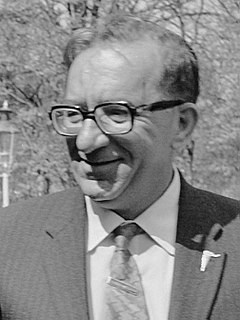
General elections were held in Malta on 12 December 1981.
General elections were held in Malta on 17 and 18 September 1976. The Malta Labour Party remained the largest party, winning 34 of the 65 seats.
General elections were held in Malta between 12 and 14 June 1971. The Malta Labour Party emerged as the largest party, winning 28 of the 55 seats.
General elections were held in Malta between 26 and 28 March 1966. The Nationalist Party remained the largest party, winning 28 of the 50 seats.

General elections were held in Malta on Saturday, 8 March 2008 alongside local elections. The governing Nationalist Party won a narrow victory over the Malta Labour Party.
A referendum on European Union membership was held in Malta on 8 March 2003. A narrow majority voted in favour of joining but the opposition Labour Party rejected the results. The victory of the Nationalist Party in the 2003 general election confirmed the result of the referendum and Malta joined the EU on 1 May 2004.
General elections were held in Malta between 17 and 19 February 1962. The Nationalist Party emerged as the largest party, winning 25 of the 50 seats.
General elections were held in Malta between 26 and 28 February 1955. The Malta Labour Party remained the largest party, winning 23 of the 40 seats.
General elections were held in Malta between 12 and 14 December 1953. The Malta Labour Party emerged as the largest party, winning 19 of the 40 seats. However, the Nationalist Party formed a government with the Malta Workers Party on 9 January 1954 with Giorgio Borġ Olivier continuing as Prime Minister.
Early general elections were held in Malta between 5 and 7 May 1951. They came less than a year after the previous elections as a result of disagreements in the coalition government formed by the centre-right Nationalist Party and centre-left Malta Workers Party. Although the Malta Labour Party received the most votes, the Nationalist Party remained the largest party, winning 15 of the 40 seats. Despite their previous disagreements, the Nationalist Party and Workers Party formed a new government.
General elections were held in Malta between 25 and 27 October 1947. They were the first elections held under universal suffrage for women and Agatha Barbara became the first woman elected to Parliament. These elections saw the Labour Party win 24 of the 40 seats.
General elections were held in Malta on 9 and 10 June 1924. The Maltese Political Union and the Constitutional Party both won 10 of the 32 seats.
General elections were held in Malta between 7 and 9 August 1927. Although the Nationalist Party received the most votes, the Constitutional Party emerged as the largest party, winning 15 of the 32 seats in the Legislative Assembly. The Nationalist Party remained the largest party in the Senate with four of the seven elected seats.
General elections were held in Malta between 11 and 13 June 1932. The Nationalist Party emerged as the largest party, winning 21 of the 32 seats in the Legislative Assembly and five of the seven elected seats in the Senate.
General elections were held in Malta between 10 and 12 September 1945. The Labour Party was the only party to contest the elections, and won nine of the 10 seats.
The National Centre Party was a political party in Estonia.


