 | You can help expand this article with text translated from the corresponding article in Italian. (January 2022)Click [show] for important translation instructions.
|
Tramonti | |
|---|---|
| Comune di Tramonti | |
 A square in Polvica | |
 Tramonti within the Province of Salerno | |
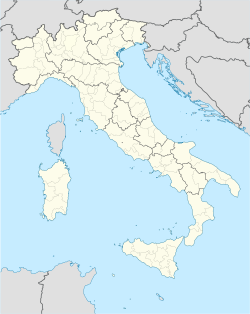  Tramonti Location of Tramonti in Italy 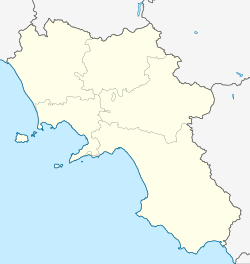 Tramonti Tramonti (Campania) | |
| Coordinates: 40°42′N14°38′E / 40.700°N 14.633°E | |
| Country | Italy |
| Region | Campania |
| Province | Salerno (SA) |
| Frazioni | Campinola, Capitignano, Cesarano, Corsano, Figlino, Gete, Novella, Paterno Sant'Elia, Paterno Sant'Arcangelo, Pietre, Polvica, Ponte, Pucara |
| Government | |
| • Mayor | Antonio Giordano |
| Area | |
• Total | 24 km2 (9.3 sq mi) |
| Elevation | 321 m (1,053 ft) |
| Population (28 February 2017) [2] | |
• Total | 4,125 |
| • Density | 170/km2 (450/sq mi) |
| Demonym | Tramontini |
| Time zone | UTC+1 (CET) |
| • Summer (DST) | UTC+2 (CEST) |
| Postal code | 84010 |
| Dialing code | 089 |
| Patron saint | St. Anthony of Padua |
| Saint day | 13 June |
| Website | Official website |
| Part of | Costiera Amalfitana |
| Criteria | Cultural: (ii)(iv) |
| Reference | 830 |
| Inscription | 1997 (21st Session) |
| Area | 11,206 ha (27,690 acres) |
| Buffer zone | 11,857 ha (29,300 acres) |


Tramonti (Campanian: Tramunte) is a town and comune in the province of Salerno in the Campania region of south-western Italy. It is located in the territory of the Amalfi Coast.[ citation needed ]


