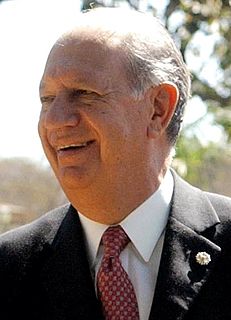
Presidential elections were held in Chile on 12 December 1999, with a second round run-off on 16 January 2000. The result was a victory for Ricardo Lagos of the Concert of Parties for Democracy alliance, who received 51% of the vote in the second round.

Parliamentary elections were held in Macedonia on 18 October 1998, with a second round on 1 November. VMRO-DPMNE emerged as the largest party, winning 49 of the 120 seats, and later formed a coalition government with Democratic Alternative and the Democratic Party of Albanians.
General elections were held in El Salvador on 20 March 1994, with a second round of the presidential elections taking place on 24 April. Armando Calderón Sol of the Nationalist Republican Alliance won the presidential elections, whilst his party also won the legislative elections. Voter turnout was 50% in the first round of the presidential elections and 45.5% in the second, whilst it was 53.1% for the legislative election.

Parliamentary elections were held in Hungary on 10 May 1998, with a second round of voting in 175 of the 176 single member constituencies on 24 May.

Presidential elections were held in Bulgaria on 11 November 2001, with a second round on 18 November. The result was a victory for Georgi Parvanov of the Bulgarian Socialist Party, who won 54.0% of the vote in the second round. Voter turnout was 41.8% in the first round and 55.1% in the second.

Presidential elections were held in Colombia on 31 May 1998, with a second round on 21 June. Although Horacio Serpa of the Liberal Party received the most votes in the first round, the result was a victory for Andrés Pastrana Arango of the Great Alliance for Change, who received 51.9% of the vote in the run-off.
Senate elections were held in the Czech Republic on 20 and 21 October 2006, with a second round on 27 and 28 October. The result was a victory for the Civic Democratic Party, which won 41 of the 81 seats. Voter turnout was 38.2% in the first round and just 20.7% in the second.
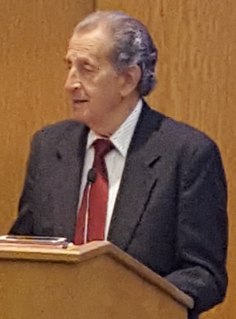
General elections were held in Ecuador on 31 January 1988, with a second round of the presidential elections on 8 May. Rodrigo Borja Cevallos of the Democratic Left won the presidential elections, receiving 54% of the vote in the second round, whilst the Democratic Left remained the largest faction in the National Congress, winning 31 of the 72 seats.

Presidential elections were held in the Dominican Republic on 16 May 1996, with a second round on 30 June. Whilst José Francisco Peña Gómez won the most votes in the first round, he was defeated by Leonel Fernández in the second round, after the Social Christian Reformist Party, whose candidate had lost in the first round, declared their support for Fernández. Voter turnout was 78.6% in the first round and 76.8% in the second.

Parliamentary elections were held in Andorra on 9 December 1981, with a second round of voting on 16 December. Local elections were held on the same day. Following the elections, Òscar Ribas Reig became the country's first Prime Minister.

Direct presidential elections were held for the first time in Bulgaria on 12 January 1992, with a second round on 19 January. The result was a victory for incumbent President Zhelyu Zhelev of the Union of Democratic Forces, who won 52.8% of the vote in the second round. Voter turnout was 75.4% in the first round and 75.9% in the second. Zhelev had originally been elected as President by the Grand National Assembly in 1990.
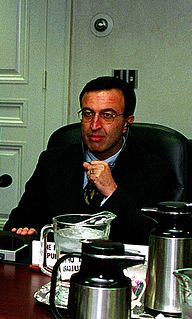
Presidential elections were held in Bulgaria on 27 October 1996, with a second round on 3 November. The result was a victory for Petar Stoyanov of the United Democratic Forces, who won 59.7% of the vote in the second round. Voter turnout was 63.3% in the first round and 61.8% in the second.
Senate elections for a third of chamber were held in the Czech Republic on 13 and 14 November 1998 with a second round on 20 and 21 November.

Senate elections were held in the Czech Republic on 5 and 6 November 2004, with a second round on 12 and 13 November. The result was a victory for the Civic Democratic Party, which won 37 of the 81 seats. Voter turnout was 28.6% in the first round and just 18.4% in the second.
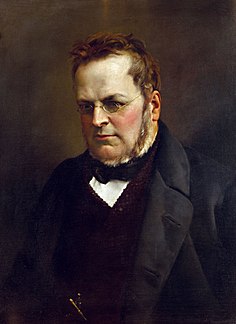
General elections were held in Italy on 27 January 1861, with a second round on 3 February. The newly elected Parliament first convened in Turin on 4 March 1861, where, thirteen days later, it declared the unification of the country as the Kingdom of Italy.

General elections were held in Italy on 22 October 1865, with a second round of voting on 29 October. It was the second one in the history of Italy.

General elections were held in Italy on 29 October 1882, with a second round of voting on 5 November. The "ministerial" left-wing bloc emerged as the largest in Parliament, winning 289 of the 508 seats.
General elections were held in Italy on 23 May 1886, with a second round of voting on 30 May. The "ministerial" left-wing bloc emerged as the largest in Parliament, winning 292 of the 508 seats. As in 1882, the election was held using small multi-member constituencies with between two and five seats.

General elections were held in Liechtenstein on 11 March 1918, with a second round on 18 March. They were the first elections held in the country contested by political parties, as the Christian-Social People's Party and Progressive Citizens' Party had been founded that year. The Progressive Citizens' Party emerged as the largest in the Landtag, winning seven of the 12 elected seats.

Parliamentary elections were held in the Socialist Republic of Macedonia on 11 November 1990, with a second round on 25 November. They were the first competitive elections in the country's history. VMRO-DPMNE emerged as the largest party, winning 38 of the 120 seats.