Related Research Articles

Year 405 (CDV) was a common year starting on Sunday of the Julian calendar. At the time, it was known as the Year of the Consulship of Stilicho and Anthemius. The denomination 405 for this year has been used since the early medieval period, when the Anno Domini calendar era became the prevalent method in Europe for naming years.

Year 432 (CDXXXII) was a leap year starting on Friday of the Julian calendar. At the time, it was known as the Year of the Consulship of Aetius and Valerius. The denomination 432 for this year has been used since the early medieval period, when the Anno Domini calendar era became the prevalent method in Europe for naming years.
The 380s decade ran from January 1, 380, to December 31, 389.
The 430s decade ran from January 1, 430, to December 31, 439.

Year 451 (CDLI) was a common year starting on Monday of the Julian calendar. At the time, it was known as the Year of the Consulship of Marcianus and Adelfius. The denomination 451 for this year has been used since the early medieval period, when the Anno Domini calendar era became the prevalent method in Europe for naming years.
Year 120 (CXX) was a leap year starting on Sunday of the Julian calendar. At the time, it was known as the Year of the Consulship of Severus and Fulvus. The denomination 120 for this year has been used since the early medieval period, when the Anno Domini calendar era became the prevalent method in Europe for naming years.

600 (DC) was not a leap year of the Julian calendar. The denomination 600 for this year has been used since the early medieval period, when the Anno Domini calendar era became the prevalent method in Europe for naming years.

Year 459 (CDLIX) was a common year starting on Thursday of the Julian calendar. At the time, it was known in the Roman Empire as the Year of the Consulship of Ricimer and Patricius. The denomination 459 for this year has been used since the early medieval period, when the Anno Domini calendar era became the prevalent method in Europe for naming years.

Year 558 (DLVIII) was a common year starting on Tuesday of the Julian calendar. The denomination 558 for this year has been used since the early medieval period, when the Anno Domini calendar era became the prevalent method in Europe for naming years.
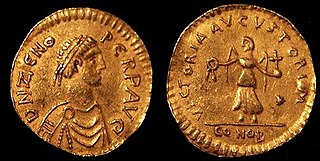
Year 474 (CDLXXIV) was a common year starting on Tuesday of the Julian calendar. At the time, it was known as the Year of the Consulship of Leo without colleague. The denomination 474 for this year has been used since the early medieval period, when the Anno Domini calendar era became the prevalent method in Europe for naming years.
The 350s decade ran from January 1, 350, to December 31, 359.
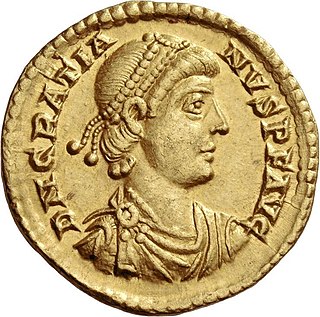
Year 383 (CCCLXXXIII) was a common year starting on Sunday of the Julian calendar. At the time, it was known as the Year of the Consulship of Merobaudes and Saturninus. The denomination 383 for this year has been used since the early medieval period, when the Anno Domini calendar era became the prevalent method in Europe for naming years.
Year 380 (CCCLXXX) was a leap year starting on Wednesday of the Julian calendar. At the time, it was known as the Year of the Consulship of Augustus and Augustus. The denomination 380 for this year has been used since the early medieval period, when the Anno Domini calendar era became the prevalent method in Europe for naming years.

Year 360 (CCCLX) was a leap year starting on Saturday of the Julian calendar. At the time, it was known as the Year of the Consulship of Constantius and Iulianus. The denomination 360 for this year has been used since the early medieval period, when the Anno Domini calendar era became the prevalent method in Europe for naming years.
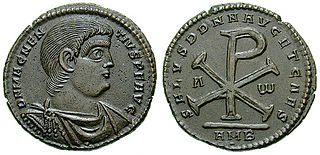
Year 350 (CCCL) was a common year starting on Monday of the Julian calendar. At the time, it was known as the Year of the Consulship of Sergius and Nigrinianus. The denomination 350 for this year has been used since the early medieval period, when the Anno Domini calendar era became the prevalent method in Europe for naming years.
The Year 345 (CCCXLV) was a common year starting on Tuesday of the Julian calendar. At the time, it was known as the Year of the Consulship of Amantius and Albinus. The denomination 345 for this year has been used ever since the early medieval period, when the Anno Domini calendar era became the prevalent method in Europe for naming years.
Year 340 (CCCXL) was a leap year starting on Tuesday of the Julian calendar. At the time, it was known as the Year of the Consulship of Acindynus and Valerius. The denomination 340 for this year has been used since the early medieval period, when the Anno Domini calendar era became the prevalent method in Europe for naming years.
Year 435 (CDXXXV) was a common year starting on Tuesday of the Julian calendar. At the time, it was known in Rome as the Year of the Consulship of Theodosius and Valentinianus. The denomination 435 for this year has been used since the early medieval period, when the Anno Domini calendar era became the prevalent method in Europe for naming years.

The calendar of saints is the traditional Christian method of organizing a liturgical year by associating each day with one or more saints and referring to the day as the feast day or feast of said saint. The word "feast" in this context does not mean "a large meal, typically a celebratory one", but instead "an annual religious celebration, a day dedicated to a particular saint".
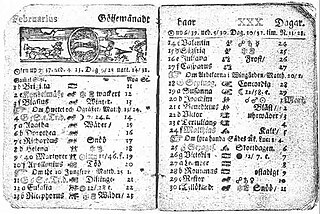
In Christianity, a name day is a tradition in many countries of Europe and the Americas, as well as Christian communities elsewhere. It consists of celebrating a day of the year that is associated with one's baptismal name, which is normatively that of a biblical character or other saint. Where they are popular, individuals celebrate both their name day and their birthday in a given year.
References
- ↑ "Saint Donatien". nominis.cef.fr (in French). Retrieved December 14, 2022.