Southside, Edinburgh

Last updated
Southside
Map SSCC.jpg
Boundaries of the Southside area according to its Community Council [1]
Edinburgh UK location map.svg
Red pog.svg
Southside
Location within the City of Edinburgh council area
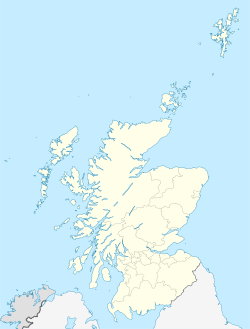
Scotland location map.svg
Red pog.svg
Southside
Location within Scotland
Population36,132  [2]
Council area
Country Scotland
Sovereign state United Kingdom
Police Scotland
Fire Scottish
Ambulance Scottish
UK Parliament
Scottish Parliament
List of places
UK
Scotland
55°56′44″N3°11′05″W / 55.945614°N 3.1847215°W / 55.945614; -3.1847215

The Southside is an area of Scotland's capital city, Edinburgh, located between its historic Old Town, Holyrood Park and the neighbourhood of Newington. The Southside housed much of Edinburgh's working class through the 150 years from 1800 to the early 1960s before planning decisions led to large-scale demolition to accommodate the expansion of the university and creation of new road systems, [3] [4] [5] and resulted in the movement of families to public housing in new estates on the outskirts of the city. [3] [6] Demolition was halted due to changes in planning ideology which promoted redevelopment in its place. [7]

Contents

In 1975 the Southside was designated by the City of Edinburgh Council as a conservation area, and in 1995 part of the Southside was included in the UNESCO World Heritage site of the Old Town. [8] [9]

Geography

The area's eastern boundary is largely Holyrood Park, and northern boundaries are Holyrood Road, Drummond Street, South College Street, Potterrow / Lothian Street and Teviot Place. The other boundaries are south on the pedestrianised Middle Meadow Walk (encompassing George Square); east along Melville Road (A700) encompassing the East Meadows; south on Causewayside; east on Salisbury Place and Salisbury Road, briefly south on Dalkeith Road (A7) and east on Marchhall Place to Prestonfield golf course which adjoins Holyrood Park. [1]

History

Edinburgh was created as a royal burgh in 1124. [10] The Old Town of Edinburgh began as a collection of dwellings that developed along the Royal Mile. At this time, south of the Canongate was not significantly populated. [11] City Walls were built following the defeat of the Scots army at Flodden in 1513. People and commerce beyond these walls were excluded from city taxes and this encouraged growth south of the Royal Mile. [12]

In 1766, the first planned housing development was George Square; terraced houses with private gardens. Further development included the New Town (1767) and construction of the South Bridge (1788), improving connection to the Southside. [11] [12] [13] [14] [15] In 1836 the opening of George IV Bridge increased commercial links with the Royal Mile and the New Town. [15]

In Victorian Edinburgh, industrial growth attracted rural Irish and European immigrants. [16] [17] Housing, industry, education, worship and recreation were in close proximity. Consequently, high density tenement housing such as the Dumbiedykes and St. Leonard's were constructed. [18] These were multiple flats in a single building, housing large, multi-generational families, and later destined to be condemned as slums. [19] [20]

Timeline of historic events which shaped the Southside
1621UtilitiesEdinburgh water originally supplied from the Boroughloch now supplied from Comiston. [21]
1628 - 1636ExpansionTelfer Wall is built to extend the Edinburgh Town Walls with ports (gates) opened to The Pleasance and Buccleuch Street in the south. [22]
1647Housing developmentThe 'Bird's eye view of Edinburgh in 1647' depicts, south of the city walls, scattered private houses and a substantial amount of development around Potterrow and The Pleasance. [23]
1722DevelopmentThomas Hope of Rankeillor (Baronet) ordered greater drainage of the Boroughloch, taking lease of the land with the intention of making a park for citizens. The Edinburgh Improvement Act of 1827 secured the site of the old loch for the citizens of Edinburgh to pursue leisure and recreational activities. It became 'The Meadows'. [24]
1734Housing development Hermits and Termits - a house built in St Leonard's for historical artist David Scott, RSA. [25]
1746Housing developmentWilliam Reid leased the ground from Lady Nicolson to build a home now known as Pear Tree House. [26]
1750Housing developmentChapel House built as a family home by Robert Frame on Sir James Nicolson's land. [27]
1760Housing developmentStart of development of Adam, Argyll and Brown Squares. [22]
1762 - 1764ConnectionsNicolson Street built, linking the early housing developments and providing further development opportunities as Lady Nicolson released her land. [28]
1764DevelopmentAcademy for the deaf and dumb established in 'Dumbie House'.The name 'Dumbiedykes' is based on this house in St Leonard's. [29]
1766Housing developmentGeorge Square built, the first residential group of houses in the Southside. [22]
1772ConnectionsNorth Bridge opened. [15]
1775Industry James Pillans started his printing business in Nicolson Street.
1788ConnectionsSouth Bridge opened, spanning "the ravine of the Cowgate". [22]
1790Housing developmentFirst tenements built on Nicolson Street following the construction of the South Bridge. [30]
1794ExpansionNicolson Street extended to Clerk Street. [31]
1800Housing developmentSt Patrick Square and Montague and Rankeillor Street built. [32]
1814 - 1833Housing DevelopmentMain housing development in 'The Dumbiedykes' and 'St Leonards' - Brown Street, Arthur Street, Salisbury Street, Carnegie Street, Beaumont Place, Forbes Street and St. Leonard's Hill. [33]
1821IndustryBertrams, a major employer in the Southside, founded by brothers George and William Bertram, manufacturing paper-making machinery for worldwide export. [34] [35]
1831IndustryUsher's brewery business started in Chambers Street. [36]
1831IndustrySt. Leonard's Railway Station Edinburgh and Dalkeith Railway opened. [37]
1827 - 1836ConnectionsGeorge IV Bridge built, spanning the Cowgate. [22]
1845IndustryNew Nelsons factory opened in Hope Park with 600 employees. [38]
1850 - 1870Housing DevelopmentHope Park Terrace, Lutton Place and Bernard Terrace completed. [33]
1850IndustryThomas Nelson II develops the Rotary Press, and in 1851 it is exhibited at the 'Great Exhibition' in London. [39] [40]
1853IndustryUshers produce and market the first ever blended whisky named 'Old Vatted Glenlivet (OVG)'. [41] [42]
1859IndustryBertrams engineers move to larger premises in St Katherine's Works site at Sciennes which they occupied for more than a century. [43]
1860IndustryUshers open Park Brewery and the largest whisky warehouse in the world at St Leonard's. [44]
1875LeisureFirst football match between Heart of Midlothian and Hibernian held in the East Meadows on Christmas Day. [45]
1878IndustryIn April 1878, the Hope Park company headquarters of Thomas Nelson and Sons, printers, was devastated by fire. [46] [47]
1880IndustryNew Nelsons factory opened at Parkside Works. [38]
1897UniversityMcEwan Hall handed over to Edinburgh University. [48]
1900IndustryUsher Hall completed and handed over to the city. [49]
1919IndustryBernard Terrace works created as Pillans and Wilson company premises. [50]
1939War activity500 allotments created in the East Meadows - the last evidence of them was removed by 1966. [51]
1968IndustryNelsons printing and binding works and other interests sold to Morrison and Gibb, Parkside Printing Works in Dalkeith Road was closed and later demolished. [52]
1980IndustryBertrams business closed and the St Katherine's Works factory demolished. [53]
1981IndustryUshers Park Brewery closed. [54]

20th century redevelopment

By the end of World War I, the Southside of Edinburgh housing was described as having "the worst slums in Edinburgh". [3] [55] [56] [57]

It was a neighbourhood of industry, housing, shops and local businesses. [3] [55] [8] [24] Tenements were in a poor state, not maintained by their landlords, lacking sanitation and overcrowded. [57] [55] [58] The UK Government, the Scottish Office and Edinburgh Corporation produced legislation to address this housing crisis; defining the minimum habitable standard, increasing the housing stock and clearing slums. [59] [60] [61] [62] [63] [64]

From the 1920s to 1970s, multiple factors influenced Edinburgh city planning and specifically for the Southside. [13] [8]

Throughout this period, demolition was the preferred method of redeveloping neighbourhoods, and thousands of families were displaced mostly to new Corporation built housing on the periphery of the city. [3] [65] [66] This heavily impacted long-standing communities with a loss of local heritage. [65] [67]

Between 1950 and 1973, the Edinburgh Corporation closed or demolished 16,556 homes and displaced 35,237 individuals. [66]

The 1972 Town and Country Act introduced Local Plans and the mandatory involvement of residents. [68] [13] [65] This gave residents the opportunity to preserve the cultural identity of their neighbourhoods, an example was the Southside Association's influence in the reversal of the decision to demolish Nicolson Street. [8] [69]

Some of these proposals were realised, such as improved housing, the expansion of the University of Edinburgh, before planning policies changed to prioritise rehabilitation, protection of existing buildings and conservation. Others were abandoned, such as the Eastern Link Road, but only after delays and demolition and dispersal of families to facilitate the proposals had occurred. [8]

Planning proposals and decisions and their impact on the Southside
1927City Improvement Scheme. [70] Demolition and redevelopment of housing (1931 – 1938). [13] Part of the Pleasance, East Crosscauseway, Buccleuch Street, Simon Square, Gifford Park, St Patrick Square.
1931Corporation Plan for Central Edinburgh & Old Town. [56] Frank Mears city plan: 50 year vision, road network modernisation, new government, administrative and educational buildings, "Greater University", slum clearance.Extensive clearances, renovation and new building across the city and Southside

Delayed due to financial crisis of 1931 and outbreak of war in 1939. [71]

1947Town & Country Planning Act. [72] Introduced Comprehensive Development Plans & Areas. [73] [74] [75] Empowered local authorities to redevelop land, or use compulsory purchase orders. [76] [74]
1949Abercrombie Civic Survey and Plan. [77] [55] Proposed: Clearly defined zones, dual carriageway with tunnel through the Old Town, road through Holyrood Park, University expansion, Bridges Bypass.Demolition of 'slum' districts with two decades of demolition of housing and historic buildings. Redevelopment of George Square. [3]

Road development abandoned in 1977.

1950Comprehensive Development Area (St. Leonard's). [3] Permission granted for University construction in George Square..
1953City & Royal Burgh of Edinburgh Development Plan. [74] Comprehensive Development Area for St. Leonard's/Dumbiedykes submitted to Secretary of State

66 objections & public inquiry.

Secretary of State granted permission in 1955 (full plan by 1957).
1954Housing (Repairs and Rents) (Scotland) Act, Section 3. [78] Additional powers of local authorities: Clearance Areas, purchase of houses liable to demolition, landlords responsible for repairs. Recovery of expenses by tenants in rendering houses fit for human habitation.Initiated the slum clearance programme in Edinburgh. [79] Local authority required, within 1 year, to submit proposals to Secretary of State.
1956City Planning Permission - University Expansion. [13] Integration of scattered parts of the University with redevelopment of George Square and wider Southside.Modernist blocks replacing Georgian buildings

Public Inquiry in 1959.

1957City and Royal Burgh of Edinburgh Development Plan. [80] Comprehensive Development Area' specific to St Leonards (Dumbiedykes) - North zone 'educational and cultural', Southern zone residential. City-wide development focused on road networks, St. Leonard’s roundabout, Eastern Approach Road, Bridges Relief Road, Tollcross Link Road, University Medical School, Bus station. [75] Demolish housing along road routes - Canongate, Dumbiedykes, Arthur Street, St. Leonard’s Street, Holyrood Road, Potterow, Nicolson Street, Hope Park Terrace, George Square. Dalkeith Road, Railway Yards, Tunnels under Arthur Street and Meadows, Displaced populations.
1959Public Inquiry. [14] Review of 1956 permission to redevelop George Square with redevelopment of parts of Southside to create a campus.Buildings not comparable to Charlotte Square and dilapidated. Redevelopment allowed to proceed and implemented through 1960s. [71]
1959'Penny Tenement' collapse. [81]

Carnegie Street Clearance Area. [79]

Tenement in Beaumont Place collapses with no fatalities. Owner attempted to sell in 1953 for a penny.

Raised in UK Parliament and clearance areas declared around Carnegie Street.

Evacuation of families. Rehousing of 250 people including evacuation of 10,12,14 and 15 Beaumont Place, Dalrymple Street, Dumbiedykes, St. Leonard's Hill. Viability of shops in St. Leonard's under threat. [82]
1961Comprehensive Development Area “Mound/Lawnmarket” proposed by Edinburgh University. [76] Renovation of New College and Old Town. Re-development of 8 acres.Did not obtain approval.
1961 - 1964George Square demolition and redevelopment. [83] Redevelopment of George Square, demolishing existing tenements to build modernist university buildings.Construction of the University Library, Appleton Tower & David Hume Tower. Destruction of Georgian buildings; 50% later to become a UNESCO World Heritage site. [84]
1962Comprehensive Development Area “University/Nicolson Street”. [76]

Proposed by Edinburgh University.

“Historic tenements to be replaced by a new urban landscape of slab blocks…. creating a seamless continuum between the university and the city”. [75] "The character of the area was to be annihilated. The whole fabric, history and community of the South Side were to be utterly destroyed". [73]

Not presented by Edinburgh Corporation (City Council) to the Scottish Secretary. Not approved; defunct in 1975.

1960 - 1963University Comprehensive Development Area proposed. [85] Joint plan to develop east of George Square to accommodate university growth and to create a larger 'campus area'.University proceeded with development but the Council did not.
1963Buchanan Plan. [86] [87] Landmark study on urban transportation planning.

Inner city ring road; including bridges and flyovers.

Demolition and clearance through central Edinburgh affecting Pleasance, Bristo Dumbiedykes Road, Arthur Street. Revised proposals until bypass constructed between 1981 and 1990.
1965Nicolson Street Comprehensive Development Area adopted by Edinburgh Corporation Planning. [88] Previous proposal from Edinburgh University adopted and budgeted by Council.Parts of Nicolson Street; 500 residents re-housed.
1965Clearance Area declared. [73] Compulsory Purchase Order (confirmed January 1968).212 houses dating from 1770;Davie Street, West Richmond Street. 78-140 Nicolson Street reprieved after objections.
1966Population decline. [74] Since 1951 population declined by 62%. [73] In early 1960s, 1,030 houses demolished in the St Leonard's. Estimated 1,977 people displaced.
1966Quinquennial Review of 1957 Development Plan. [3] Southside recommended as an Action Area.Nicholson Street considered an ‘obsolete development and bad layout’. [75] 1968 Action Area removed. 1974 Review approved. Period of uncertainty over plans for the Southside.
1967Civil Amenities Act 1967. [89] Concept of conservation areas introduced. Protection and improvement of buildings of architectural or historic interest and of the character of these areas. Statutory requirement to consider improvement not demolition.Impacted future proposals for a Southside Conservation Area in mid 1970s.
1967Public Inquiry over 'Bridges Relief Road'. [75] Six week inquiry on proposal for a double-level four lane road through the Southside. Recommendation by the Secretary of State for Scotland that Transport and Planning consultants be employed. [90] Delayed or disrupted development or improvement in the Southside until study completed in 1972.
1968Southside Action Area removed and Clearance Order approved. [75] Secretary of State instructed that 1957 zonings be restored. Edinburgh Corporation increased the annual target for houses to be demolished from 700 to 1,000. [73] Highlighted by the Nicolson Street Traders' Association. [91] Council acquired and cleared Nicolson Street and adjacent areas.
1968Hill Place. [73] Houses declared unfit.Hill Square remained as the properties better maintained.96 people displaced and Georgian houses built in 1809 demolished. [90]
1968Clearance Area declared. [73] Clearance of buildings in St. Leonard's and the Pleasance.Community of 675 people displaced and businesses demolished. 276 200 year-old, three to six-storey houses, shops and pubs demolished. East and West Adam Street, Richmond Place, Drummond Street, Ingliston Street, North Richmond Street.
1968Forbes Street and St Leonard's Lane designated a Clearance Area. [73] Different construction - squat buildings and narrow streets.Forbes Street, St. Leonard's Lane; 310 houses cleared, 675 people displaced.
1969Housing Act 1969. [92] UK Legislation - established the concept of General Improvement Areas to allow for regeneration. Replaced Comprehensive Development Areas with Housing Treatment Areas; required Local Authorities to rehabilitate obsolete buildings.Areas previously declared for 'clearance' survived and were improved - "paradigm shift in approach to urban renewal". [90]
1969Pleasance and West Nicolson Street declared unfit. [73] Houses purchased by Edinburgh Corporation. [13] Proposal to demolish blocks of historic buildings. Impact: 83 houses and 157 people, Pleasance. West Nicolson Street. Public enquiry called in 1972.
1970Eastern Link Road proposed by Edinburgh Corporation. [75] Six lane road as part of the Inner Ring Road.Large scale demolition in the Pleasance. Abandoned in 1977.
1971'Parkers Triangle' demolished. [93] [14] Implementing University plan of 1963.

Tenements declared unfit in 1966.

All buildings demolished in zone bounded by Lothian Street, Bristo Street, Charles Street, Crichton Street and Potterow. 270 people displaced; car park created.
1972South Side Association formed. [73] Formed to represent the people of the Southside (and oppose wholesale demolition). To counter University ambitions to establish CDA covering Meadows to St. Leonard's. Influenced Public Inquiry re-proposed demolition of houses in West Nicolson Street.Secretary of State confirmed Compulsory Purchase Orders for demolition. [90] Plans placed under review.
1973South Side Local Plan [94] Major change in City planning. Removed requirement for UK Government approval. Work in South Side proceeded on the basis of a Local Plan rather than a Comprehensive Development Plan.Change of focus for planners, residents and traders

"at their core was the wish to create an environment satisfactory to the existing community". [75]

1973Buccleuch Street demolition order reversed. [73] South Side Association opposed 1970 and 1972 proposals for demolition in West Crosscauseway and Buccleuch Street.Buccleuch Street secured from demolition.
1974Edinburgh Corporation 1974/78 Housing Programme. [73] Establishment of a rehabilitation policy.5,821 sub-standard properties, 41% to be demolished and 59% improved. [73] Properties recommended for improvement: Howden Street, Drummond Street, East Crosscauseway and High School Yards.
1974South Side Advisory Panel [75] of Edinburgh University formed.Bringing together all stakeholders to create a 'policy package'.Associations formed: Dumbiedykes Residents' Association, Nicolson Street Traders' Association, Southside Residents' Association, Cockburn Association.
1975South Side Conservation Area designated. [14] Conservation Area designated, later (extended in 1986, adjusted in 1996). Changed the solution to improvement not demolition.Regeneration of the remainder of the Southside area and the retention of its remaining historic identity.
1976South Side Local Plan - Pilot Scheme. [94] Pilot study to assess feasibility of rehabilitating other housing areas in the Southside.Davie Street, West Richmond Street to be replaced in historic style.
1977Eastern Link Road plan abandoned. [14] Final attempt to build a major road through the Southside.0.9 miles long, linking St Leonard's with Leith Walk via Calton Hill. Leith Street and Greenside demolished. Removed threat to Southside neighbourhood.
1978Pilot Block. [13] Partial restoration and rebuilding of a full street block on Nicolson Street. Conservation and restoration of buildings replacing those beyond repair in a historic style to preserve the character of the area.Creation of 69 flats, a supermarket, 24 shops and a pub between East Crosscauseway and Richmond Street.
1995Old and New Towns of Edinburgh designated as UNESCO Heritage Site. [84] City's unique architectural and historical significance.Highlighting contrast and evolution between the medieval Old Town and 18th century Georgian New Town
2002South Side Conservation Area Character Appraisal. [14] Scottish Ministers require Character Appraisals for areas before approving any new Article 4 Direction Orders. Character appraisals to define special qualities and architectural and historic interests.Conservation Area status: demolition requires consent, and attention to character and appearance.
2019South Side Conservation Area updated. [95] Addition of a group of category A listed buildings, with special architectural and historic importance. Buildings having distinct character and significant value cited as good architectural styles.Additions: The Royal Commonwealth Pool, Scottish Widows building, Pollock Halls. Removed: Forbes Street, St Leonard’s Police Station.

Notable buildings in the Southside

The Southside has examples of Georgian and Victorian architecture and structures from the last 300 years. [96] Although many historic buildings were demolished in the 20th century, streets and public buildings remain which are a record of the Southside as an industrial area and cultural district. The designation of the Southside in 1975 as a conservation area ensured that a significant element of these historic buildings were protected. [97]

References

  1. 1 2 "Southside Community Council Boundary" (PDF). The City of Edinburgh Council - Community Councils. Retrieved 25 August 2025.
  2. "Electoral Ward Southside/Newington". Scottish Government. Archived from the original on 12 October 2023. Retrieved 21 September 2020.
  3. 1 2 3 4 5 6 7 8 Coghill, Hamish (2014). Lost Edinburgh. Birlinn Limited. pp. 104, 109, 164, 180, 204–205, 215–220, 234, 237. ISBN   978-1-84158-747-9.
  4. Kirkwood, Robert; W. & A.K. Johnston Limited (1834). "Town Plans of Edinburgh - city". National Library of Scotland. Retrieved 2 July 2025.
  5. Peacock, Helen; Emslie, Helen; Emslie, Douglas; Barratt, Oliver; Jones, Barry; et al. (Edinburgh University Rector's Working Party on Planning) (1974). Peacock, Helen (ed.). Forgotten Southside - The Problems of Planning Blight in City Centre Living - A Plea for Action. Photography: Barry Jones, Steve Primeau Illustrations and Maps: Lindsay McEwan. Edinburgh: Edinburgh University Student Publications. pp. 7, 10, 12, 17, 25, 28, 30, 31, 32. ISBN   9780950189048.
  6. Anderson, Robert David; Lynch, Michael; Phillipson, Nicholas (2003). The University of Edinburgh: an illustrated history. Edinburgh: Edinburgh University Press. p. 195. ISBN   978-0-7486-1645-9.
  7. "Housing Act 1969". www.legislation.gov.uk. Archived from the original on 9 July 2025. Retrieved 29 July 2025.
  8. 1 2 3 4 5 "South Side conservation area". The South Side Conservation Area Character Appraisal. City of Edinburgh Council. 2002-08-08. p. 1,4, 7, 8, 12, 21. Retrieved 2024-12-02.
  9. "The UNESCO World Heritage Site". Edinburgh World Heritage. Retrieved 28 August 2025.
  10. "Edinburgh City". Scotland's People. June 26, 2025.
  11. 1 2 Smith, Charles (1989). South Edinburgh in Pictures. ALBYN PRESS LTS. pp. Introduction. ISBN   0-284-98758-1.
  12. 1 2 Gray, W Forbes (1942). "The Lands of Newington and Their Owners" (PDF). The Book of the Old Edinburgh Club, the Journal for Edinburgh History. Original Series 24: 152, 153 via The Book of the Old Edinburgh Club.
  13. 1 2 3 4 5 6 7 Gillon, Jack; Parkinson, Fraser (2017). Edinburgh South Side Through Time. Amberley Publishing. pp. 4, 26, 33, 41–43, 51–52, 70. ISBN   978-1-4456-6166-7.
  14. 1 2 3 4 5 6 "South Side conservation area - Conservation Area Character Appraisals". The City of Edinburgh Council - Conservation Area Character Appraisals. 2002. pp. 6, 12. Retrieved 2024-10-08.
  15. 1 2 3 Grant, James (1880). Old and New Edinburgh. London: Cassell & Company, Limited. pp. vol.1 p.291–296, 334–340, 373, 374 vol. 2 p. 114–119.
  16. Handley, James Edmund (1947). The Irish in Modern Scotland. Dublin: Cork University Press. pp. 30, 34, 36, 37, 306.
  17. Handley, James Edmund (1943). The Irish In Scotland 1798 - 1845. Cork: Cork University Press. p. 83.
  18. 1 2 3 4 5 6 Smeaton, Oliphant (1904). Edinburgh and its story. London: J.M. Dent & Co. pp. 245, 248, 310, 317, 318, 319, 320, 321, 322, 323, 325, 326–323.
  19. Coghill, Hamish (2014). Lost Edinburgh. Birlinn Limited. p. 109. ISBN   978-1-84158-747-9.
  20. T.B.M (1891). Slum life in Edinburgh; or, Scenes in its darkest places. Edinburgh: James Thin. p. 97.
  21. Boog Watson, Charles B (1925). Report of the eighteenth annual meeting of the Old Edinburgh Club (Volume 15 ed.). Edinburgh: The Old Edinburgh Club. p. 18.
  22. 1 2 3 4 5 Smeaton, Oliphant (1904). Edinburgh and its story. London: J.M. Dent & Co. pp. 245–248, 310, 317–326.
  23. Gordon, James (2025-07-15). "Bird's eye view of Edinburgh in 1647 / by James Gordon of Rothiemay". National Library of Scotland. Retrieved 2025-07-15.
  24. 1 2 Sherman, Robin (2000). Old Newington, Grange, Liberton and Gilmerton. Stenlake Publishing. pp. 3, 11. ISBN   1-84033-119-4.
  25. Gillon, Jack; Parkinson, Fraser (2017). Edinburgh South Side Through Time. Amberley Publishing. p. 83. ISBN   978-1-4456-6166-7.
  26. "The Pear Tree - a Short History". The Pear Tree. Retrieved 25 June 2025.
  27. "The Old Edinburgh Club - exploring the city through history 1938-vol-22". The Old Edinburgh Club. Retrieved 2025-09-20.
  28. Fleet, Christopher; MacCannell, Daniel (2014). Edinburgh: mapping the city. National Library of Scotland. Edinburgh: Birlinn. p. 66. ISBN   978-1-78027-245-0.
  29. "THE BOOK OF THE OLD EDINBURGH CLUB Joe Rock, 'Hugh William ("Grecian") Williams (1773–1829)', Book of the Old Edinburgh Club, New Series 5 (2002), pp. 83–91" (PDF). The Book of the Old Edinburgh Club: The Journal for Edinburgh History. 2002. p. 84. ISSN   2634-2618 . Retrieved 2025-09-18.
  30. "22-26 (Even Nos) Nicolson Str... | Designation". trove.scot. Retrieved 2025-09-21.
  31. Sherman, Robin (2000). Old Newington, Grange, Liberton and Gilmerton. Stenlake Publishing. p. 3. ISBN   978-1840331196.
  32. "South Side conservation area". The South Side Conservation Area Character Appraisal. Edinburgh: City of Edinburgh Council. 2002-08-08. p. 1,4, 7, 8, 12, 21. Retrieved 2024-12-02.
  33. 1 2 Kirkwood, Robert; W. & A.K. Johnston Limited (1834). "Town Plans of Edinburgh - city". National Library of Scotland. Retrieved 2 July 2025.
  34. Thomson, A.G. (1974). The Paper Industry in Scotland. Edinburgh: Scottish Academic Press Ltd. p. 165. ISBN   978-0701119355.
  35. "Bertrams". Grace's Guide To British Industrial History. 10 June 2019. Retrieved 9 July 2025.
  36. Donnachie, Ian L. (2001). A History of the Brewing Industry in Scotland - Softcover. Edinburgh: John Donald. p. 171. ISBN   978-0-85976-496-4.
  37. Fleet, Christopher; MacCannell, Daniel (2014). Edinburgh, Mapping The City. Newington Road Edinburgh: Birlinn Ltd. p. 169. ISBN   978-1-78027-245-0.
  38. 1 2 Dictionary of Scottish business biography. 2: Processing, distribution, services, Aberdeen: Aberdeen Univ. Pr, 1990, ISBN   978-0-08-030399-4 Page 201
  39. "Thomas Nelson Leading publishing archive". The University of Edinburgh Library. 21 August 2024. Retrieved 2 July 2025.
  40. Slaven, Anthony; Checkland, S. G.; Hamilton, Sheila, eds. (1986). Dictionary of Scottish business biography, 1860-1960. Aberdeen: Aberdeen University Press. p. 201. ISBN   978-0-08-030398-7.
  41. Slinn, Iain (2004). Whisky Miscellany. Inverness: Hospitality Scotland Ltd. p. 133. ISBN   0954736001.
  42. Smith, Gavin (1997). A to Z of Whisky (3rd ed.). Glasgow: New Wilson Publishing. p. 197. ISBN   189778466X.
  43. Meighan, Michael (2012). Scotland's Lost Industries. Stroud: Amberly Publishing. pp. 73, 74. ISBN   9781445609171.
  44. Russell, Iain (2017-06-07). "Andrew and John Usher". scotchwhisky.com. Retrieved 2025-07-02.
  45. Knight, Alex (2009). The Definitive History of The Heart of Midlothian Football Club. Edinburgh: Heart of Midlothian plc. p. 13. ISBN   978-0-9564143-0-4.
  46. Thomas Nelson Publishers 1798-1998: honoring God, serving people. Nashville, TN: Thomas Nelson Publishers. 1998. p. 10.
  47. Bell, Bill; Finkelstein, David; McCleery, Alistair, eds. (2007). The Edinburgh history of the book in Scotland. Edinburgh: Edinburgh University Press. p. 110. ISBN   978-0-7486-1912-2.
  48. "Edinburgh, Teviot Place, Mcew... | Place | trove.scot".
  49. Fleet, Christopher; McDannell, Daniel (2014). Edinburgh: mapping the city. Edinburgh: Birlinn in association with the National Library of Scotland. p. 229. ISBN   978-1-78027-245-0.
  50. Palmer, Neil (1999). Working in the South Side: 1935–1985. Edinburgh: The South Side Association. p. 16.
  51. Connelly, Hannah (2025-12-07). "A place to grow: Well-being and activism on Edinburgh's post-war allotments and how this can inform urban gardening in Scotland today". National Library of Medicine. Archived from the original on 2 Feb 2025. Retrieved 2025-12-07.
  52. Gillon, Jack (2014). Edinburgh in the 1950s: ten years that changed a city. Stroud, Gloucestershire: Amberley. p. 84. ISBN   978-1-4456-3755-6.
  53. Smith, Charles J (1978). Historic South Edinburgh Volume 1. Edinburgh: Charles Skilton Ltd. p. 14. ISBN   9780859765404.
  54. "Thomas Usher & Son Ltd". BreweryPedia. 5 March 2025. Retrieved 9 July 2025.
  55. 1 2 3 4 Fleet, Christopher; MacCannell, Daniel (2014). Edinburgh: mapping the city. National Library of Scotland. Edinburgh: Birlinn. pp. 101–102, 131, 181, 273–275. ISBN   978-1-78027-245-0.
  56. 1 2 Purves, Graeme A. S. (1987). "The life and work of Sir Frank Mears: planning with a cultural perspective". University of Edinburgh Archive. Part 2: p23 –p70.
  57. 1 2 Johnston-Smith, Douglas-James (2019-07-09). "Dislocation and domicide in Edinburgh, 1950-1975. "We never tried to push people out, unless it was for their own good."". PhD Thesis: 71, 73, 76, 78, 80, 84.
  58. "Canongate and Corstorphine etc Improvement Scheme 1927". Capital Collections. Retrieved 2025-07-17.
  59. Johnston-Smith, Douglas-James (2019-07-09). "Dislocation and domicide in Edinburgh, 1950-1975. "We never tried to push people out, unless it was for their own good."". PhD Thesis: 65, 67, 73, 108, 119, 145, 147, 148.
  60. "Housing, Town Planning, &c. Act 1919". legislation.gov.uk. 2025-09-17. Retrieved 2025-09-17.
  61. "Town and Country Planning Act 1947". legislation.gov.uk. 2025-07-15. Retrieved 2025-07-15.
  62. "Housing Repairs And Rents Act 1954". www.legislation.gov.uk. Archived from the original on 2025-04-04. Retrieved 2025-07-19.
  63. "Town and Country Planning (Scotland) Act 1959". www.legislation.gov.uk. Archived from the original on 2023-10-10. Retrieved 2025-09-17.
  64. Edinburgh Corporation Town Planning Department (1966). Development plan 1965 : review : written statement / City and Royal Burgh of Edinburgh. Edinburgh: Edinburgh Corporation. pp. 12, 15.
  65. 1 2 3 Fair, Alistair (2021-11-02). "'University in the city': Percy Johnson-Marshall and the reconstruction of Edinburgh's South Side, 1961–76". Planning Perspectives. 36 (6): 3–5, 8–9, 10–11, 19, 21–24, 25–27, 30, 32. Bibcode:2021PlPer..36.1123F. doi:10.1080/02665433.2021.1907772. hdl: 20.500.11820/8cc2ed6e-d2e8-4a19-bff4-11dc3350397e . ISSN   0266-5433.
  66. 1 2 Johnston-Smith, Douglas-James (2019-07-09). "Dislocation and domicide in Edinburgh, 1950-1975. "We never tried to push people out, unless it was for their own good."". PhD Thesis: 5, 6, 56, 63, 65, 70, 85, 91, 133, 235.
  67. Sproat, Diana (2014-09-01). "St Leonard's Edinburgh Cultural Heritage Desk Based Assessment" (PDF). i.rcahms.gov.uk/canmore-pdf. Retrieved 2025-09-17.
  68. "Town and Country Planning (Scotland) Act 1972: Town and Country Planning (General Development) (Scotland) Amendment Order". archives.parliament.uk. Retrieved 2025-09-17.
  69. Johnston-Smith, Douglas-James (2019-07-09). "Dislocation and domicide in Edinburgh, 1950-1975. "We never tried to push people out, unless it was for their own good."". PhD Thesis: 107, 109, 115, 116, 120, 122, 123, 129, 130, 247.
  70. "Canongate and Corstorphine etc Improvement Scheme 1927". Capital Collections. Retrieved 2025-07-17.
  71. 1 2 Johnston-Smith, Douglas-James (2019-07-09). "Dislocation and domicide in Edinburgh, 1950-1975. "We never tried to push people out, unless it was for their own good."". PhD Thesis: 5, 6, 56, 63, 65, 70, 85, 91, 133, 235.
  72. "Town and Country Planning Act 1947". legislation.gov.uk. 2025-07-15. Retrieved 2025-07-15.
  73. 1 2 3 4 5 6 7 8 9 10 11 12 13 Peacock, Helen; Emslie, Helen; Emslie, Douglas; Barratt, Oliver; Jones, Barry; et al. (Edinburgh University Rector's Working Party on Planning) (1974). Peacock, Helen (ed.). Forgotten Southside - The Problems of Planning Blight in City Centre Living - A Plea for Action. Photography: Barry Jones, Steve Primeau Illustrations and Maps: Lindsay McEwan. Edinburgh: Edinburgh Edinburgh University Student Publications. pp. 7, 10, 12, 17, 25, 28, 30, 31, 32. ISBN   9780950189048.
  74. 1 2 3 4 Johnston-Smith, Douglas-James (2019-07-09). "Dislocation and domicide in Edinburgh, 1950-1975. "We never tried to push people out, unless it was for their own good."". PhD Thesis: 65, 67, 73, 108, 119, 145, 147, 148.
  75. 1 2 3 4 5 6 7 8 9 Fair, Alistair (2021-11-02). "'University in the city': Percy Johnson-Marshall and the reconstruction of Edinburgh's South Side, 1961–76". Planning Perspectives. 36 (6): 3–5, 8–9, 10–11, 19, 21–24, 25–27, 30, 32. Bibcode:2021PlPer..36.1123F. doi:10.1080/02665433.2021.1907772. hdl: 20.500.11820/8cc2ed6e-d2e8-4a19-bff4-11dc3350397e . ISSN   0266-5433.
  76. 1 2 3 "Comprehensive Redevelopment Areas - Our History". ourhistory.is.ed.ac.uk. Retrieved 2025-07-30.
  77. Abercrombie, Patrick (1949). A Civic Survey & Plan for the City & Royal Burgh of Edinburgh. Oliver and Boyd.
  78. "Housing Repairs And Rents Act 1954". www.legislation.gov.uk. Archived from the original on 2025-04-04. Retrieved 2025-07-19.
  79. 1 2 "Edinburgh History - Old Town - Recollections". www.edinphoto.org.uk. Retrieved 2025-07-19.
  80. City and Royal Burgh of Edinburgh development plan : written statement. Edinburgh - National Library of Scotland catalogue of published resources: City and Royal Burgh of Edinburgh. 1957.
  81. "Tenement Property, Edinburgh (Incident) - Hansard - UK Parliament". hansard.parliament.uk. Retrieved 2025-07-20.
  82. "Edinburgh History - Old Town - Recollections". www.edinphoto.org.uk. Retrieved 2025-07-20.
  83. "EDINBURGH UNIVERSITY AND GEORGE SQUARE (Hansard, 9 June 1959)". api.parliament.uk. Retrieved 2025-07-30.
  84. 1 2 "The UNESCO World Heritage Site". Edinburgh World Heritage. Retrieved 2025-08-28.
  85. Fenton, Clive (2002). The Book of the Old Edinburgh Club. Edinburgh: The Old Edinburgh Club. pp. 64–67. ISBN   0-9517284-4-X.
  86. Buchanan, Colin (2015-05-08). Traffic in Towns. Routledge. doi:10.4324/9781315692814. ISBN   978-1-317-43443-6.
  87. Gourlay, Kris (2022-02-03). "The forgotten Edinburgh motorway plan that would have destroyed the Old Town". Edinburgh Live. Retrieved 2025-07-31.
  88. Edinburgh Corporation Town Planning Department (1966). Development plan 1965 : review : written statement / City and Royal Burgh of Edinburgh. Edinburgh: Edinburgh Corporation. pp. 12, 15.
  89. "Civic Amenities Act 1967". www.legislation.gov.uk. Archived from the original on 2025-03-19. Retrieved 2025-08-29.
  90. 1 2 3 4 Johnston-Smith, Douglas-James (2019-07-09). "Dislocation and domicide in Edinburgh, 1950-1975. "We never tried to push people out, unless it was for their own good."". PhD Thesis: 107, 109, 115, 116, 120, 122, 123, 129, 130, 247.
  91. Gray, John (February 1968). National Scandal - Nicolson Street Traders' Association.
  92. "Housing Act 1969". www.legislation.gov.uk. Archived from the original on 2025-07-09. Retrieved 2025-07-29.
  93. Gillon, Jack; Parkinson, Fraser (2017). Edinburgh South Side Through Time. Stroud, Gloucester: Amberley Publishing. p. 52. ISBN   978-1-4456-6166-7.
  94. 1 2 Mitchell, James (2018-11-01), "Scotland: local government and politics", The UK's Changing Democracy: The 2018 Democratic Audit, LSE Press, doi:10.31389/book1.u, ISBN   978-1-909890-44-2 , retrieved 2025-08-29
  95. Irvine, Ross. "South Side conservation area - Conservation Area Character Appraisals" (PDF). The City of Edinburgh Council. Retrieved 2025-08-29.
  96. Gray, John (1962). South Side Story. Glasgow: W.F.Knox & Co. LTD. p. 5.
  97. Irvine, Ross. "South Side conservation area - Conservation Area Character Appraisals". The City of Edinburgh Council. p. 4. Retrieved 2025-09-09.
  98. Thin, Robert (1927). "The Old Infirmary and Earlier Hospitals" (PDF). The Book of the Old Edinburgh Club - The Journal for Edinburgh History. ISSN   2634-2618 . Retrieved 2025-09-20.
  99. "Edinburgh, 34, 36, 38 West Nicolson Street, Pear Tree House". Historic Environment Scotland. 2025-08-28. Retrieved 2025-08-28.
  100. "The Old Edinburgh Club - exploring the city through history 1938-vol-22". The Old Edinburgh Club. Retrieved 2025-09-20.
  101. Smith, John (1938). "EASTER AND WESTER CROFTS OF BRISTO" (PDF). The Book of the Old Edinburgh Club, The Journal for Edinburgh History. ISSN   2634-2618.
  102. Brown, Stewart J. (2010). "Religious Identity in a Century of Secularisation: The Edinburgh Churches Since 1900" (PDF). The Book of the Old Edinburgh Club, The Journal for Edinburgh History. p. 95. ISSN   2634-2618 . Retrieved 2025-09-20.
  103. Smith, Charles J (1978). Historic south Edinburgh. Chas. Skilton. p. 452. ISBN   0284-98739-5.
  104. "Edinburgh, 3 and 3a Drummond Street, Rutherfords Bar". Historic Environment Scotland. 2025-08-25. Retrieved 2025-08-28.
  105. "Home | Dictionary Scottish Architects | Part of Historic Environment Scotland". www.scottisharchitects.org.uk. Retrieved 2025-09-22.

Further reading