Chateau-sur-Mer is one of the first grand Bellevue Avenue mansions of the Gilded Age in Newport, Rhode Island. Located at 474 Bellevue Avenue, it is now owned by the Preservation Society of Newport County and is open to the public as a museum. Chateau-sur-Mer's grand scale and lavish parties ushered in the Gilded Age of Newport, as it was the most palatial residence in Newport until the Vanderbilt houses in the 1890s. It was designated a National Historic Landmark in 2006.

Allerton Castle, also known as Allerton Park, is a Grade I listed nineteenth-century Gothic or Victorian Gothic house at Allerton Mauleverer in North Yorkshire, England. It was rebuilt by architect George Martin, of Baker Street, London in 1843–53.

The Woodstock Opera House is a historical venue for performing arts and receptions located in Woodstock, Illinois. It was built in 1889 and designed as a multi-use facility with space for city administration offices as well as police and fire departments. The building was planned by architect Smith Hoag and built by contractor Simon Brink for a cost of $25,000. Today, the City of Woodstock still owns the building, but the building is used exclusively as a performance space.

The Hunter House is located at 3985 Trumbull Avenue in the Woodbridge Neighborhood Historic District of Detroit, Michigan. The house was listed on the National Register of Historic Places and designated a Michigan State Historic Site in 1974. It was previously operated as the Woodbridge Star, a bed and breakfast.

The Knight–Mangum House is a historic house located in Provo, Utah, United States. It is listed on the National Register of Historic Places. The mansion was built in the old English Tudor style, completed in 1908. It was built for Mr. W. Lester Mangum and his wife Jennie Knight Mangum. Mrs. Mangum was the daughter of the famous Utah mining man, Jesse Knight. The lot was purchased for $3,500 and the home was built at a cost of about $40,000. The Mangum family was able to afford the home due to the fact that they had sold their shares in Jesse Knight's mine located in Tintic, Utah, for eight dollars a share. They had purchased the shares for only twenty cents a share, so the excess allowed them enough funds to purchase the home. The contractors for the home were the Alexandis Brothers of Provo.
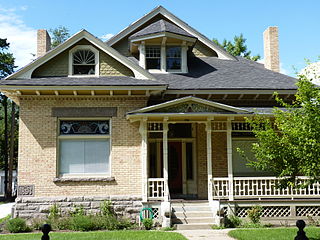
The Charles E. Loose House is a historic house located in Provo, Utah, United States. The house was individually nominated for listing on the National Register of Historic Places in 1982 but was not listed due to owner objection. It later was included as a contributing property in the Provo East Central Historic District.

The Samuel H. Allen Home is a historic house located at 135 E. 200 North in Provo, Utah. It is listed on the National Register of Historic Places.
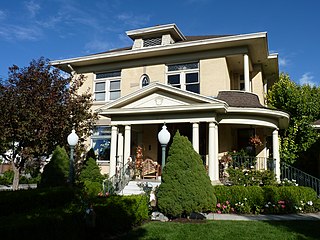
The Thomas N. Taylor House is a historic house located at 342 North 500 West in Provo, Utah. It is listed on the National Register of Historic Places.
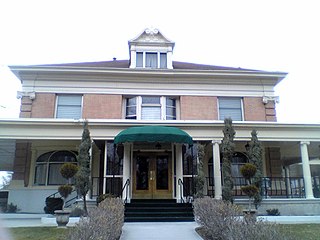
The Jesse Knight House, also known as the Knight Mansion, is a historic house in Provo, Utah, United States built for Jesse Knight. It was built in 1905, and added to the National Register of Historic Places in 1982. This home was designated to the Provo City Historic Landmarks Register on June 19, 1996.

The John R. Twelves House is a historic house located in Provo, Utah, United States. It is listed on the National Register of Historic Places.

The Knight–Allen House is a historic house located in Provo, Utah. It is listed on the National Register of Historic Places.
William Robert Allen was an early 20th-century architect in Utah. His most important work, the Davis County Courthouse, is no longer extant, yet a number of his works are listed on the U.S. National Register of Historic Places. Allen received training through the International Correspondence Schools which was based in Scranton, Pennsylvania, but allowed him to receive training and continue work in Utah.
The Perkins Addition was a 13-house development in Salt Lake City, Utah. Ten of its houses survived in 1983 and nine were each individually listed on the National Register of Historic Places.

The Joseph Adams House is a historic house located at 300 North Adamswood Road in Layton, Utah.

The Schnull–Rauch House, sometimes referred to as the Victorian Manor and now also branded as The Manor at The Children's Museum of Indianapolis, is a National Register of Historic Places-designated Romanesque Revival historic home constructed in the early 20th century at 3050 North Meridian Street, north of downtown Indianapolis, Indiana.

S & W Cafeteria is a historic S & W Cafeteria building located in the Downtown Asheville Historic District of Asheville, Buncombe County, North Carolina, USA. It was designed by the architect Douglas Ellington and built in 1929. It is a three-story, brick building in the Art Deco style. The front facade is sheathed in grey ashlar and features polychrome ornamentation and exotic stylistic motifs. In 1974, the S & W Cafeteria moved to the Asheville Mall.

The Elizabeth Plankinton House was a stone structure in Milwaukee, Wisconsin, USA, intended to be the residence for Elizabeth Plankinton. Built between 1886 and 1888 by John Plankinton for his daughter as a wedding gift, it cost at least $100,000. The architect Edward Townsend Mix designed the house in the Richardsonian Romanesque style. It was located opposite John Plankinton's own house on Grand Avenue in an upscale residential area of the western part of the city, near other mansions. Mrs. Margaret Johnston was the only person to have a permanent residence in the house (1896–1904). The Knights of Columbus used the property between 1910 and 1978. Despite being listed in the National Register of Historic Places in 1976, the house was demolished on October 11, 1980, to make way for student facilities for Marquette University. The facility ultimately built was the Marquette Alumni Memorial Union. It is extremely close to the site of the house, but the majority of the land occupied by the house remains a grass lawn in 2020.

The Farmer's Union Building in Layton, Utah, was listed on the National Register of Historic Places in 1978.
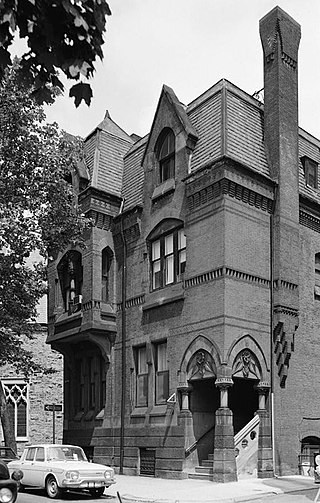
The Thomas Hockley House (1875) is a Victorian city house in Philadelphia, Pennsylvania, designed by architect Frank Furness. Located west of Rittenhouse Square, it is a contributing property in the Walnut–Chancellor Historic District.
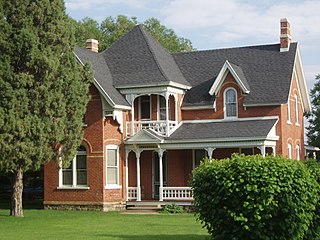
The John Henry Layton House, at 683 W. Gentile St. in West Layton, Utah was built in 1898. It was listed on the National Register of Historic Places in 1982.