An animal shelter or pound is a place where stray, lost, abandoned or surrendered animals, mostly dogs and cats, and sometimes sick or wounded wildlife are kept and rehabilitated. While no-kill shelters exist, it is sometimes policy to euthanize sick animals, and any animal that is not claimed quickly enough by a previous or new owner. In Europe, of 30 countries included in a survey, all but four permitted the killing of healthy stray dogs. Critics believe the new term "animal shelter" is generally a euphemism for the older term "pound". The word "pound" had its origins in the animal pounds of agricultural communities, where stray livestock would be penned or impounded until claimed by their owners. Some shelters even have sick tropical animals.
Trap–neuter–return, commonly known as TNR, is a method for attempting to humanely and effectively manage free-roaming domestic cats. The process involves live-trapping the cats, having them spayed or neutered, ear-tipped for identification and, if possible, vaccinated, then releasing them back into their territory. If the location is deemed unsafe or otherwise inappropriate, the cats may be relocated to other appropriate areas Ideally, friendly adults and kittens young enough to be easily socialized are retained and placed for adoption Feral cats cannot be socialized, shun most human interaction and do not fare well in confinement, so they should not be retained. Cats suffering from severe medical problems such as terminal, contagious, or untreatable illnesses or injuries, are often euthanized.
Overpopulation in domestic pets is the surplus of pets, such as cats, dogs, and exotic animals. In the United States, 6 to 8 million animals are brought to shelters each year, of which an estimated 3 to 4 million are subsequently euthanized, including 2.7 million considered healthy and adoptable. Euthanasia numbers have declined from the 1970s, when U.S. shelters euthanized an estimated 12 to 20 million animals. Most humane societies, animal shelters and rescue groups urge animal caregivers to have their animals spayed or neutered to prevent the births of unwanted and accidental litters that could contribute to this dynamic.

The Society for the Prevention of Cruelty to Animals is a registered charity to promote animal welfare in Hong Kong, with outreach services to China.
A "no-kill" shelter is an animal shelter that does not kill healthy or treatable animals even when the shelter is full, reserving euthanasia for terminally ill animals or those considered dangerous to public safety. A no-kill shelter uses many strategies to promote shelter animals; to expanding its resources using volunteers, housing and medical protocols; and to work actively to lower the number of homeless animals entering the shelter system. 10% of animals can be killed in a no-kill shelter and still be considered a no-kill shelter.
The San Francisco SPCA is an animal shelter, a spay/neuter clinic, and a full-service public animal hospital located in San Francisco.

Forgotten Cats is a 501(c)(3) nonprofit organization notable for its pioneering role in "Trap-Neuter-Return" ("no-kill") method of reducing feral cat populations in northern Delaware and Southeast Pennsylvania.

The Canadian Federation of Humane Societies (CFHS) is the largest national animal welfare organization in Canada, representing humane societies, SPCAs, and animal rescue organizations. CFHS aims to speak with a strong national voice, promoting the welfare and humane treatment of animals, and working to end animal cruelty.
Nathan J. Winograd is an American author, film-maker, animal advocate, and director of the No Kill Advocacy Center in Oakland, California.

Compassion and Responsibility for Animals (CARA) is a registered non-profit, non-government animal welfare organization in the Philippines. It was founded in 2000 by a group of animal lovers determined to help the plight of animals in the Philippines. The current president of CARA is Nancy Cu-Unjieng.
The Feral Cat Coalition of Oregon (FCCO), originally named the Feral Cat Coalition of Portland (FCCP), is a nonprofit Trap-Neuter-Return (TNR) organization based in Portland, Oregon. The organization's mission is to improve the lives and reduce the population of stray and feral cats through spay/neuter services and education. FCCO offers spay and neuter services to caregivers of stray and feral cats.
World Spay Day draws attention to "spay/neuter as a proven means of saving the lives of companion animals, community cats, and street dogs who might otherwise be put down in a shelter or killed on the street." It is an event held on the last Tuesday in February each year.
The Monmouth County SPCA is an animal welfare organization providing animal sheltering and cruelty investigation services to Monmouth County, New Jersey.
Alley Cat Allies is a nonprofit advocacy organization whose stated mission is to transform and develop communities to protect and improve the lives of cats. The organization advocates for reform of public policies and institutions to better serve the interests of cats. Based in Bethesda, Maryland, the group is best known for introducing trap-neuter-return to the United States.
The Southampton Animal Shelter is operated by the Southampton Animal Shelter Foundation (SASF), a 501(c)3 non-profit organization no-kill pet rescue and adoption center, that cares for homeless animals in the Southampton, New York, community of 22 towns, and places them in permanent homes. It is located at 102 Old Riverhead Road West, Hampton Bays, New York. It accommodates all types of pets, and has a dog training center. The facility is also home to a low-cost veterinary wellness center that offers affordable spay and neuter surgeries, vaccinations, pet dental, microchipping and more.
The Vancouver Orphan Kitten Rescue Association (VOKRA) is a no kill, non-profit cat rescue organization in Vancouver, British Columbia, Canada, providing trap-neuter-return services to Vancouver and nearby communities.
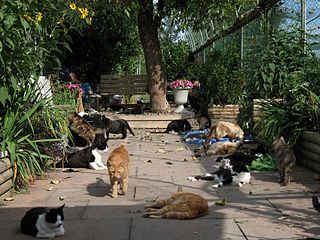
Richmond Animal Protection Society (RAPS) is a no kill animal services agency in Richmond, British Columbia, Canada, which has Canada's largest cat sanctuary.
Project Bay Cat is a trap-neuter-return initiative for community cats in Northern California.