
The position of Vice-President of the Republic of Burundi was created in June 1998, when a transitional constitution went into effect. It replaced the post of Prime Minister.
This electoral calendar 2004 lists the national/federal direct elections held in 2004 in the de jure and de facto sovereign states and their dependent territories. Referendums are included, although they are not elections. By-elections are not included.
This electoral calendar 2006 lists the national/federal direct elections held in 2006 in the de jure and de facto sovereign states and their dependent territories. Referendums are included, although they are not elections. By-elections are not included.
This electoral calendar 2007 lists the national/federal direct elections held in 2007 in the de jure and de facto sovereign states and their dependent territories. Referendums are included, although they are not elections. By-elections are not included.
This electoral calendar 2008 lists the national/federal direct elections held in 2008 in the de jure and de facto sovereign states and their dependent territories. Referendums are included, even though they are not elections. By-elections are not included.
This electoral calendar 2009 lists the national/federal direct elections held in 2009 in the de jure and de facto sovereign states and their dependent territories. Referendums are included, although they are not elections. By-elections are not included.
This national electoral calendar for the year 2010 lists the national/federal direct elections held in 2010 in all sovereign states and their dependent territories. Referendums are included, even though they are not elections. By-elections are not included.
This national electoral calendar for the year 2011 lists the national/federal direct elections held in 2011 in the de jure and de facto sovereign states and their dependent territories. By-elections are excluded, though national referendums are included.

This national electoral calendar for the year 2012 lists the national/federal direct elections held in 2012 in the de jure and de facto sovereign states and their dependent territories. By-elections are excluded, though national referendums are included.
This local electoral calendar for the year 2012 lists the subnational elections held in 2012 in the de jure and de facto sovereign states. By-elections and sub-national referenda are also included.
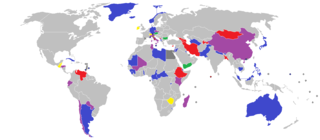
This national electoral calendar for the year 2013 lists the national/federal direct elections held in 2013 in all sovereign states and their dependent territories. By-elections are excluded, though national referendums are included.

This national electoral calendar for the year 2014 lists the national/federal direct elections held in 2014 in all sovereign states and their dependent territories. By-elections are excluded, though national referendums are included.

This national electoral calendar for the year 2015 lists the national/federal direct elections held in 2015 in all sovereign states and their dependent territories. By-elections are excluded, though national referendums are included.
This local electoral calendar for 2014 lists the subnational elections held in 2014 in the de jure and de facto sovereign states. By-elections and sub-national referenda are also included.

This national electoral calendar for the year 2016 lists the national/federal direct elections held in 2016 in all sovereign states and their dependent territories. By-elections are excluded, though national referendums are included.

This national electoral calendar for the year 2017 lists the national/federal direct elections held in 2017 in all sovereign states and their dependent territories. By-elections are excluded, though national referendums are included.
This local electoral calendar for 2017 lists the subnational elections held in 2017 in the de jure and de facto sovereign states. By-elections and sub-national referendums are also included.
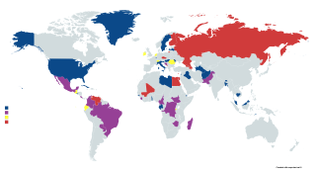
This national electoral calendar for the year 2018 lists the national/federal direct elections to be held in 2018 in all sovereign states and their dependent territories. By-elections are excluded, though national referendums are included. Specific dates are given where they have been known.
This local electoral calendar for 2018 lists the subnational elections to be held in 2018 in the de jure and de facto sovereign states. By-elections and sub-national referendums are also included.

This national electoral calendar for the year 2019 lists the national/federal direct elections to be held in 2019 in all sovereign states and their dependent territories. By-elections are excluded, though national referendums are included. Specific dates are given where they have been known.


