Glendale, CA | ||||||||||||||||||||||||||||||||||||||||||||||||||||||||||
|---|---|---|---|---|---|---|---|---|---|---|---|---|---|---|---|---|---|---|---|---|---|---|---|---|---|---|---|---|---|---|---|---|---|---|---|---|---|---|---|---|---|---|---|---|---|---|---|---|---|---|---|---|---|---|---|---|---|---|
| The Glendale Transportation Center building, 2007 | ||||||||||||||||||||||||||||||||||||||||||||||||||||||||||
| General information | ||||||||||||||||||||||||||||||||||||||||||||||||||||||||||
| Other names | Larry Zarian Transportation Center | |||||||||||||||||||||||||||||||||||||||||||||||||||||||||
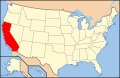
| Location | 400 West Cerritos Avenue Glendale, California United States | |||||||||||||||||||||||||||||||||||||||||||||||||||||||||
| Coordinates | 34°07′25″N118°15′28″W / 34.123565°N 118.257844°W | |||||||||||||||||||||||||||||||||||||||||||||||||||||||||
| Owned by | City of Glendale | |||||||||||||||||||||||||||||||||||||||||||||||||||||||||
| Line | SCRRA Valley Subdivision [1] | |||||||||||||||||||||||||||||||||||||||||||||||||||||||||
| Platforms | 1 side platform, 1 island platform | |||||||||||||||||||||||||||||||||||||||||||||||||||||||||
| Tracks | 3 | |||||||||||||||||||||||||||||||||||||||||||||||||||||||||
| Connections |
| |||||||||||||||||||||||||||||||||||||||||||||||||||||||||
| Construction | ||||||||||||||||||||||||||||||||||||||||||||||||||||||||||
| Parking | 426 spaces, 17 accessible spaces [2] | |||||||||||||||||||||||||||||||||||||||||||||||||||||||||
| Bicycle facilities | Racks and lockers [2] | |||||||||||||||||||||||||||||||||||||||||||||||||||||||||
| Accessible | Yes | |||||||||||||||||||||||||||||||||||||||||||||||||||||||||
| Other information | ||||||||||||||||||||||||||||||||||||||||||||||||||||||||||
| Status | Unstaffed, platform with shelters | |||||||||||||||||||||||||||||||||||||||||||||||||||||||||
| Station code | Amtrak: GDL | |||||||||||||||||||||||||||||||||||||||||||||||||||||||||
| History | ||||||||||||||||||||||||||||||||||||||||||||||||||||||||||
| Opened | 1924 | |||||||||||||||||||||||||||||||||||||||||||||||||||||||||
| Rebuilt | 1999 | |||||||||||||||||||||||||||||||||||||||||||||||||||||||||
| Original company | Southern Pacific | |||||||||||||||||||||||||||||||||||||||||||||||||||||||||
| Passengers | ||||||||||||||||||||||||||||||||||||||||||||||||||||||||||
| FY 2025 | 53,489 [3] (Amtrak only) | |||||||||||||||||||||||||||||||||||||||||||||||||||||||||
| ||||||||||||||||||||||||||||||||||||||||||||||||||||||||||
| ||||||||||||||||||||||||||||||||||||||||||||||||||||||||||
Glendale Southern Pacific Railroad Depot | ||||||||||||||||||||||||||||||||||||||||||||||||||||||||||
| Architect | Maurice Couchot & Kenneth A. MacDonald Jr. | |||||||||||||||||||||||||||||||||||||||||||||||||||||||||
| Architectural style | California Churrigueresque (Spanish Colonial Revival) | |||||||||||||||||||||||||||||||||||||||||||||||||||||||||
| NRHP reference No. | 97000376 | |||||||||||||||||||||||||||||||||||||||||||||||||||||||||
| Added to NRHP | May 2, 1997 | |||||||||||||||||||||||||||||||||||||||||||||||||||||||||
| ||||||||||||||||||||||||||||||||||||||||||||||||||||||||||
The Glendale Transportation Center (officially the Larry Zarian Transportation Center) is an intermodal passenger transport center in the city of Glendale, California.
The train station structure combines the Spanish Colonial Revival and California Churrigueresque architectural styles. It was placed on the National Register of Historic Places in 1997.
Amtrak's Pacific Surfliner runs frequently to San Diego to the south and to San Luis Obispo to the north. Metrolink's Antelope Valley and Ventura County commuter rail lines also service the center. The center also serves as a bus station, with direct service from Glendale Beeline local busses and Amtrak Thruway and Greyhound Lines inter-city busses
Train service came to Glendale in 1883, with the Atwater Tract Office serving as the city's station. Beginning in 1904, Pacific Electric's Glendale–Burbank Line streetcars served the station, stopping at the intersection of Glendale Boulevard and Gardena Avenue. By the 1920s, the city's rapid growth led to the station's demolition and replacement. Originally known as the Glendale Southern Pacific Railroad Depot, the new station was built by the Southern Pacific Railroad. The station was designed by architects Kenneth A. MacDonald Jr. and Maurice Couchot in the Spanish Colonial Revival style. [4]
The San Joaquin Daylight , between Los Angeles and San Francisco, began to serve Glendale in 1941.
Following the Second World War, as automobile and airplane use increased, passenger train use fell significantly. [5] [6]
In October 1953, the Glendale–Burbank Line came under the purview of Metropolitan Coach Lines, which initiated a series of service reductions. Interurban service, including the streetcar stop adjacent to the station, ended in 1955. [7] [8]
Southern Pacific's overnight Lark trains served Glendale until 1968, but the Coast Daylight trains continued until 1971, when Amtrak acquired the route. Positive response led to Amtrak to retain this service, but the Coast Daylight name was dropped in 1974 in favor of Coast Starlight . [9] [10]
Amtrak's Spirit of California , between Los Angeles and Sacramento, began to serve Glendale in 1981. It was the first overnight service between the two cities since the discontinuation of Southern Pacific's Lark in 1968. [11] [12] Beginning in 1982, Glendale was also served by the CalTrain commuter rail system. Governor George Deukmejian's opposition to passenger rail led to both lines being cancelled in 1983. [13] [14]
When Amtrak's San Diegan was extended north to Santa Barbara in 1988, service was added for Glendale. [15]
The city bought the depot from Southern Pacific in 1989 to ensure its preservation [6] and acquired adjacent properties to create an intermodal passenger transport center, [16] which included a bus station and parking for 750 cars. [17]
Metrolink brought commuter rail service back to Glendale in 1992, with the Santa Clarita Line and Ventura County Line . A Glendale Beeline route was added to connect the train station and downtown Glendale. [18] [19] Following the 1994 Northridge Earthquake, Metrolink rapidly accelerated its expansion of its Santa Clarita line to the Antelope Valley. [20]
By 2005, Amtrak's Coast Starlight had decreased to only one daily northbound and southbound stop in Glendale. Coast Starlight service in Glendale was discontinued, leaving the Pacific Surfliner as the only Amtrak service in the city. [21] [22]
In November 2011, shortly following his death, the station was dedicated to former Glendale mayor Larry Zarian. [23] [24] He had served on Metro's board of directors, where he was a forceful advocate for Metro Rail service for Glendale. [25]
In 2021, in coordination with Los Angeles Metro's NextGen service changes, the Metro Micro on-demand microtransit service began to serve the facility. [26]
The proposed Tropico Transit Oriented District, which encompasses the area surrounding the transportation center, includes improved wayfinding, enhanced bus stops, bicycle lanes, and improved connectivity with Atwater Village. [27] [28] [29] [30]
The station was designed by architects Kenneth A. MacDonald Jr. and Maurice Couchot, who had previously collaborated in the design of the Broadway-Spring Arcade in Downtown Los Angeles. [31] The structure combines Spanish Colonial Revival and California Churrigueresque styles. The depot's appearance reflects the boosterism of the era, which used Spanish-style architecture to promote Anglo-American settlement of the American west. [4] [6]
Architectural highlights include the twin portals which face the trains on one side and the city on the other, topped with Spanish mission-style bell towers. [6]
The station underwent three principal alterations, none of which are considered to have damaged the historic integrity of the building. In 1943, one of the station's pergolas was enclosed for use as an employee break room, and the ticket counter was moved. Around 1953, the district office was built. A 1979 restoration removed the 1943 ticket counter and re-sited it in the original location. The break room was converted back to an open space at the same time. [6]
Following damage from the 1994 Northridge Earthquake, the station was restored in 1999. [6] [32] [33]
The station serves two Metrolink lines:
The station has been used in numerous films as a filming location, sometimes as a stand in for other locations. [37] [38] Films include:
A feasibility study for a streetcar connecting with downtown is underway. [39]
Media related to Glendale Transportation Center at Wikimedia Commons