 | |||||||||||||||||||||||||
| Turnout | 68.2% [1]  | ||||||||||||||||||||||||
|---|---|---|---|---|---|---|---|---|---|---|---|---|---|---|---|---|---|---|---|---|---|---|---|---|---|
| |||||||||||||||||||||||||
   Weicker: 30–40% 40–50% 50–60% 60–70% Rowland: 30–40% 40–50% 50–60% 60–70% Morrison: 30–40% 50–60% | |||||||||||||||||||||||||
| |||||||||||||||||||||||||


| Elections in Connecticut |
|---|
 |
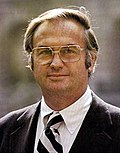
The 1990 Connecticut gubernatorial election took place on November 6, 1990, to elect the governor of Connecticut. It was a three-way race for a seat left open when Governor William A. O'Neill declined to run for re-election. A Connecticut Party nominee Lowell Weicker narrowly won the election, becoming the first candidate who was not a member of one of the two major parties to win a gubernatorial election since the 1974 election in Maine. [2]