Melrose Estate | |
|---|---|
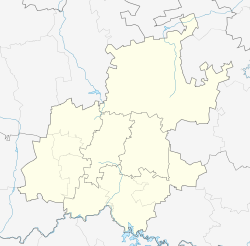  Melrose Estate 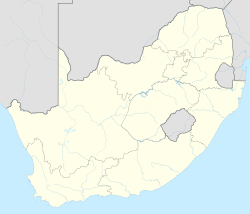 Melrose Estate | |
| Coordinates: 26°08′42″S28°03′04″E / 26.145°S 28.051°E | |
| Country | South Africa |
| Province | Gauteng |
| Municipality | City of Johannesburg |
| Main Place | Johannesburg |
| Area | |
• Total | 0.59 km2 (0.23 sq mi) |
| Population (2011) [1] | |
• Total | 730 |
| • Density | 1,200/km2 (3,200/sq mi) |
| Racial makeup (2011) | |
| • Black African | 34.1% |
| • Coloured | 2.1% |
| • Indian/Asian | 5.9% |
| • White | 57.1% |
| • Other | 0.8% |
| First languages (2011) | |
| • English | 68.2% |
| • Zulu | 7.7% |
| • Afrikaans | 5.6% |
| • Northern Sotho | 3.8% |
| • Other | 14.7% |
| Time zone | UTC+2 (SAST) |
Melrose Estate is a suburb of Johannesburg, South Africa. It is located in Region E of the City of Johannesburg Metropolitan Municipality. Until the early 2000s, the suburb had many traditional houses, which are rapidly giving way to cluster house complexes.[ citation needed ]

